
Canada Rejects U.S. Trade Concessions Amid Ongoing Tensions
📅 2 months ago
Prime Minister Mark Carney announced the suspension of trade talks with the U.S. due to unacceptable demands that could threaten Canadian industries. The situation escalates with impending tariffs and retaliatory measures.
OTTAWA — In a significant development concerning trade relations, Prime Minister Mark Carney revealed that U.S. negotiators demanded concessions from Canada during trade talks last month that could have transformed key sectors, particularly the automotive industry, into subsidiaries of American firms or potentially led to their complete elimination. This alarming assertion was made during a press scrum outside Carney's office on Tuesday, where he emphasized that Canada would not accept such terms.As negotiations intensified ahead of a U.S.-imposed deadline of August 22, Carney ultimately decided to suspend the discussions and brought his team back to Canada. He expressed concerns about the U.S. approach, stating, "The attitude of the United States in these discussions, and subsequently, has been one that core Canadian industries either would be subsidiaries effectively of the United States industries, or would put in place terms where those industries would be gradually wound down in Canada and wiped out."
Despite the breakdown in talks, Carney noted that there were aspects of a deal that had been beneficial for both parties before negotiations faltered. He cited a variety of serious issues that contributed to the stalemate, including impacts on French language and culture, as well as restrictions on Canada's capacity to engage in trade with other nations.
Carney reiterated Canada's readiness to resume negotiations when the U.S. is prepared for a serious dialogue, criticizing the current U.S. stance by saying, "When the Americans stop doing memes, stop throwing shade, stop trying to be tough and start being serious about having those discussions, we can have those discussions. It’s not constructive but that’s their democracy."
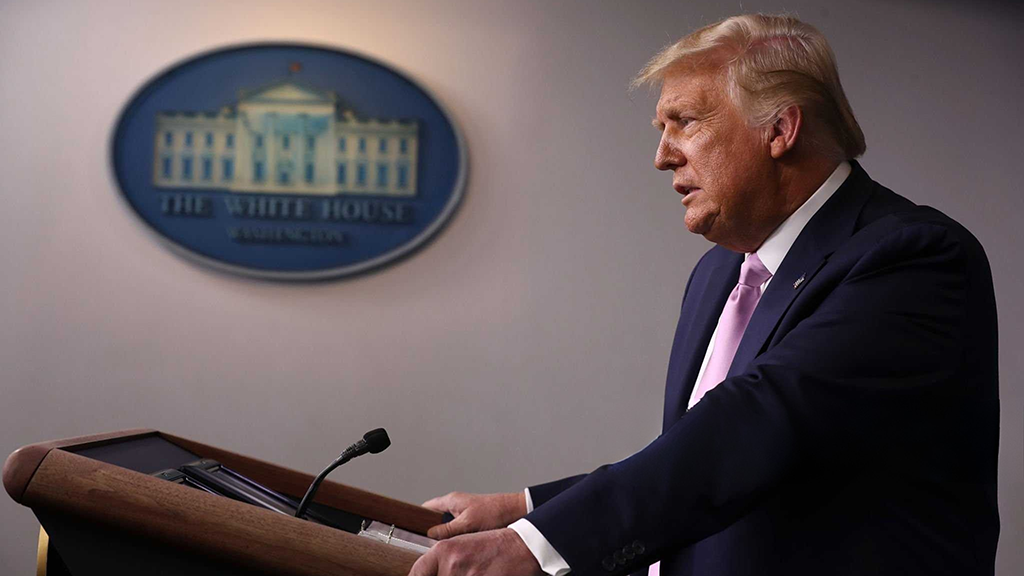
Following the collapse of negotiations, U.S. President Donald Trump and his administration have publicly criticized Canada, using social media and news appearances to air grievances. Notably, Trump signed an executive order to rename Lake Ontario as Lake America on U.S. maps, while cabinet members have shared AI-generated images mocking Canada.
In an effort to address the ramifications of the trade tensions, Carney is scheduled to meet with labor groups in Ottawa on Tuesday. Sources indicate that this meeting will involve union representatives from industries that have been affected by the trade dispute, particularly from the manufacturing sector.
Moreover, Unifor, Canada’s largest private sector union, organized a rally on Parliament Hill in late August, advocating for the government to safeguard Canadian jobs amidst the escalating trade conflict with the United States. On Monday, Carney engaged in discussions about the ongoing friction with U.S. trade representatives and a group of Canadian business leaders from prominent companies including RBC, Bombardier, OpenText, and Hydro-Québec.
As part of the trade dispute, Canada plans to implement counter-tariffs on nearly $28 billion worth of U.S. products starting September 8. These tariffs will range from 15 to 50 percent and will target various goods, including dairy, steel, copper, and certain beauty products. This move is a direct response to the 50 percent duty that Trump placed on $28 billion in Canadian goods, affecting a wide array of products from hockey sticks to honey.
The trade tensions have been exacerbated by the refusal of nearly all Canadian provinces, except Alberta and Saskatchewan, to stock U.S. products on liquor store shelves, a decision fueled by American tariffs on steel, aluminum, and automotive imports. In retaliation, Trump has threatened to raise Canadian automotive tariffs to 50 percent from the current 25 percent in the coming year, highlighting the precarious nature of U.S.-Canada trade relations.
🏷️
economic relations
Canadian economy
trade negotiations
United States
labor groups
tariffs
Canada
manufacturing sector
automotive industry
Unifor
← Previous Post
Innovative Technology from GroundedAI Aims to Transform Below-Grade Construction in Canada2 months ago
Related Posts