Canada and U.S. Close to Trade Deal Amid Keystone XL Discussions
📅 3 days ago

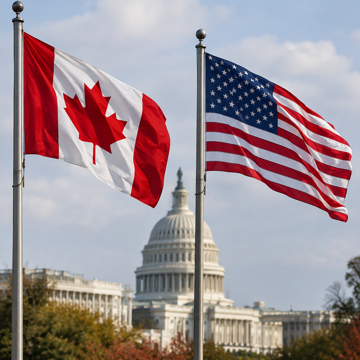
OTTAWA — U.S. President Donald Trump recently expressed optimism regarding a potential trade agreement between Canada and the United States, stating during a press conference in Iowa that the two nations are "very close" to finalizing a deal. He emphasized the benefits such an agreement would offer, particularly for American farmers, while suggesting that Canada would also find it favorable. "We’ve been losing money for many years with Canada," Trump remarked, highlighting the long-standing trade imbalance.
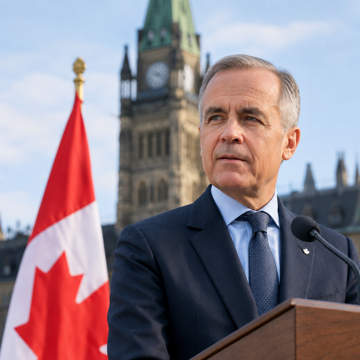
Prime Minister Mark Carney took to social media to share that he had a productive conversation with Trump focused on the future of trade relations. According to a spokesperson from the Prime Minister’s Office, this dialogue occurred on Saturday, with Carney noting that it builds on their earlier discussions about creating a mutually beneficial trade agreement. He stated that such an arrangement would not only generate jobs but also enhance affordability for Canadian families, while respecting the nation’s linguistic diversity, culture, and sovereignty.
The timing of this conversation is significant, as it comes just ahead of the U.S. midterm elections, where the ongoing trade dispute with Canada has become a pivotal topic for many candidates. Trump mentioned that the Keystone XL pipeline is a key component of the negotiations, asserting that Canada would be responsible for the costs associated with the project. "We’re going to give them the route, and it’s largely been determined but they’ll build the Keystone pipeline," he stated, reiterating his commitment to reviving the project.
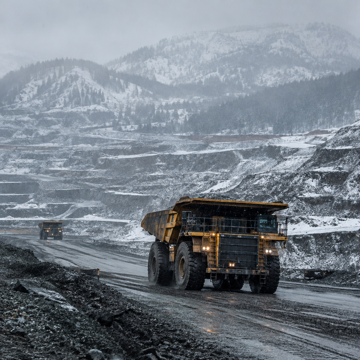
The Keystone XL pipeline, which aims to transport over 800,000 barrels of oil daily from Alberta to the U.S., was initially proposed nearly two decades ago. However, it faced numerous obstacles, including opposition from U.S. landowners, Indigenous groups, and environmental activists, leading to its cancellation by former President Joe Biden in 2021. Carney had previously raised the possibility of reviving the pipeline during discussions with Trump last year, linking energy cooperation with support for Canada’s steel and aluminum industries.
In April, Trump signed an executive order to approve a new pipeline that would utilize segments of the abandoned Keystone project. At a recent press conference, Conservative Leader Pierre Poilievre urged Carney to secure a favorable deal, emphasizing the urgency for everyday Canadians who are waiting for improved trade relations. He criticized the Prime Minister for not fulfilling a promise made during the last election to negotiate a better deal than what was previously in place.
The upcoming midterm elections present high stakes for both the Republican and Democratic parties. A significant win for Democrats could lead to increased congressional oversight of Trump's executive actions for the remainder of his presidency. Polls indicate that Democrats may take control of the House, with a net gain of three seats needed for a majority, while the Senate remains more uncertain, with potential gains of four seats for Democrats.
Historically, Trump’s administration has strained Canada-U.S. relations, particularly through the imposition of tariffs on Canadian goods and aggressive rhetoric, including threats of annexation. The trade war has proven unpopular in key states like Michigan and Maine, where close Senate races could determine the balance of power in Congress. Despite the potential for a Democrat victory, questions remain about whether Trump's tariffs would be lifted in the near future.
Carney stated last week that Canada is not yet positioned to finalize a trade deal with the Trump administration, indicating that Ottawa is willing to negotiate only when it aligns with Canadian interests. As discussions continue, the future of trade relations between the two countries remains uncertain, with various factors influencing the negotiations.
🏷️
Infrastructure
trade negotiations
United States
energy
Mark Carney
Donald Trump
politics
Canada
Keystone XL
midterm elections
← Previous Post
Egis and Arcadis Chosen to Engineer Montréal's Contrecœur Container Terminal Development3 days ago
Next Article →
Federal Government Invests $500 Million in Winnipeg Wastewater Treatment Plant Upgrade3 days ago