Corpus Christi Grapples with Severe Water Shortages Amid Development Pressures
📅 5 months ago
As Corpus Christi faces a critical water shortage due to drought and rapid development, city officials are revisiting desalination projects to secure water supply. The situation has raised concerns over the city's preparedness and responsiveness to ongoing water challenges.
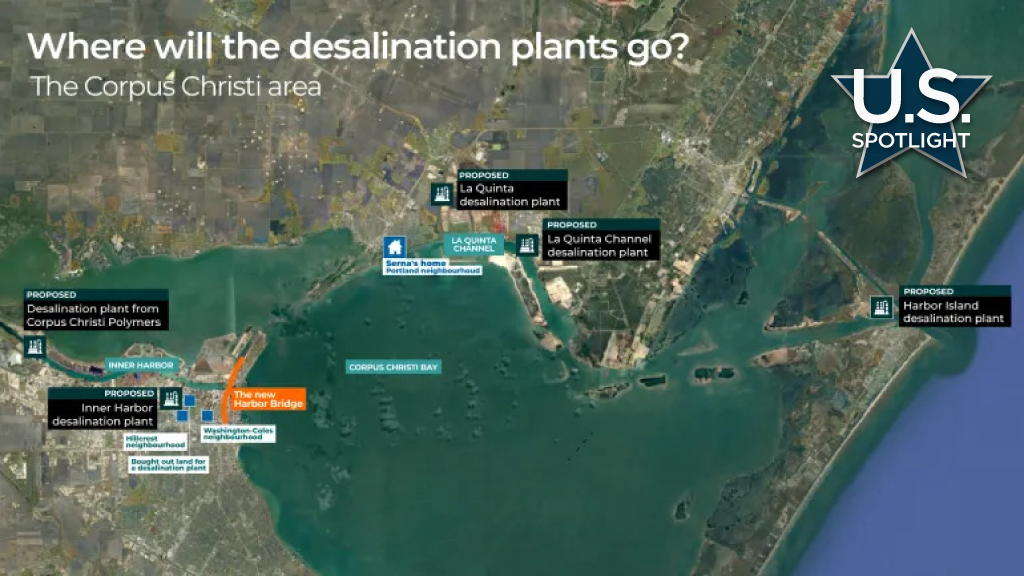
The State of Texas is confronting persistent water shortages exacerbated by ongoing droughts and the pressures of increasing residential and commercial developments. Currently, Corpus Christi, located on the Gulf Coast, stands as the city most at risk of a significant water shortage. According to the city's official website, a looming ‘Level 1 Emergency’ is anticipated as early as September of this year, which could compel residents to slash their water consumption by 25% or incur additional fees. Such a declaration may even necessitate evacuations and pose a threat to major commercial entities like the Port of Corpus Christi, noted as the leading port for crude oil exports in the United States, potentially leading to operational shutdowns and job losses.The alarming development of water scarcity in Corpus Christi aligns closely with the rapid expansion of shale oil extraction across Texas over the last decade and the continued industrial growth in the area. In 2017, the city considered desalination as a viable solution to manage the surging water demand. Plans to establish the Inner Harbour desalination plant were introduced in 2019, initially expecting to process 10 million gallons of water daily. However, it soon became clear that the demand necessitated an increase in capacity, leading to escalating construction cost estimates. Environmental concerns regarding the potential ecological impacts on Corpus Christi Bay from the desalination process also emerged.
By 2025, projections for the Inner Harbour desalination plant indicated a staggering cost of $1.2 billion, with the planned capacity raised to 30 million gallons per day. Despite the city council approving plans in October 2024, along with securing necessary permits and state funding through the Texas Water Development Board, the project was ultimately shelved. Sean Strawbridge, the former CEO of the Port of Corpus Christi Authority, expressed frustration over the city’s lack of foresight, attributing the predicament to municipal inexperience and poor decision-making. He emphasized that the situation should not have come as a surprise, stating, “Time is up.”
Currently, the options available to tackle the immediate water crisis are dwindling. However, Corpus Christi has identified $1 billion in funding for water-related projects to address urgent needs. During a council meeting in March, City Manager Peter Zanoni discussed refining the city's drought plan aimed at reducing water consumption. He assured the public that a system based on trust would facilitate reductions in water use without resorting to cutting off supplies. Despite the challenges, Zanoni maintained a positive outlook, asserting that the city’s water supply was not on the verge of collapse and that several new water initiatives would be introduced by 2026.
These new projects are expected to include increasing water extraction from the city’s primary pipeline connecting to Lake Texana and the Colorado River, potentially raising the supply to 24 million gallons per day. Additional wells are being drilled or are pending permits, with the potential to double or triple the water volume if operational. Furthermore, the city anticipates that industrial users could contribute an additional 16 million gallons of drinking water daily by switching to recycled wastewater, although delays in permitting are causing anxiety.
The situation has drawn the attention of state officials, with Governor Greg Abbott expressing frustration over the city’s slow progress on the desalination front. Abbott criticized the city for allegedly squandering more than $750 million in state funds allocated for the desalination effort, asserting that the city is suffering not from a lack of water but from decision-making challenges. His office has reportedly threatened to withdraw all funding if the city does not advance with the desalination plant.
In light of these pressures, the Inner Harbour desalination project is being revisited, now under the leadership of Corpus Christi Desal Partners (CCDP), a joint venture that includes Acciona Agua Corporation and MasTec Industrial Corporation, along with local partners. A contract that would finalize 60% of the project’s design and establish a guaranteed maximum price is expected to be presented to the council in early June. Nicholas Winkelmann, the chief operating officer of Corpus Christi Water, expressed optimism about this advancement, stating, “This is a significant step forward in securing long-term, reliable water supply for our customers.”
Additionally, other desalination initiatives are reportedly being explored in the Corpus Christi region, such as the Harbor Island Seawater Desalination Facility Project led by the U.S. Army Corps of Engineers, which aims to supply up to 100 million gallons of drinking water daily through reverse osmosis. Discussions are also underway with AXE H20, a Houston-based startup, about their proposal for a desalination plant that could yield 150 million gallons of drinking water per day in the nearby Coastal Bend area.
🏷️
Infrastructure
construction projects
desalination
water supply
Texas
water management
climate change
environmental impact
industrial expansion
Corpus Christi
Next Article →
Federal Government Invests $12 Million in British Columbia's Forestry Sector5 months ago