Court Rules Trump Must Obtain Congressional Approval for White House Ballroom Construction
📅 2 months ago
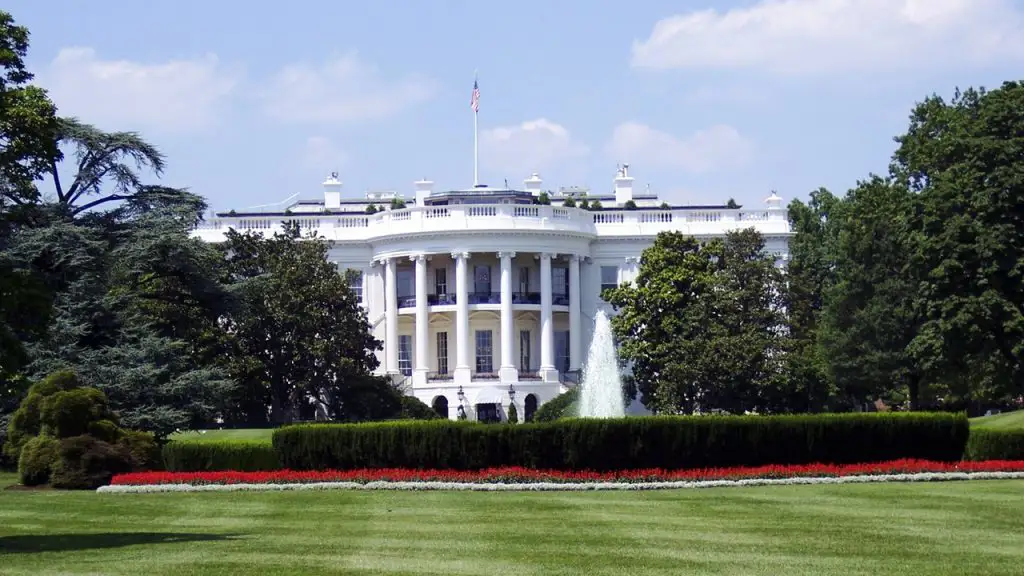
An appeals court has ruled that President Trump must seek Congress's approval before proceeding with the construction of a new ballroom at the White House, ordering a halt to all related activities.
In a significant ruling, the U.S. Court of Appeals has determined that President Donald Trump is required to obtain Congressional approval for the construction of a proposed ballroom at the White House. This decision comes as a response to a lawsuit filed by historic preservationists who argued against the project, prompting the court to order a cessation of construction activities. The court emphasized that the decision regarding the construction of a large ballroom is a matter that should be decided by Congress rather than through unilateral action by the Executive branch.The ruling was clear in its stance, stating, "Whether or not a massive ballroom should be constructed is for Congress to decide and is not a matter for Executive self-help." The court also highlighted that the ruling is not a commentary on the desirability of the ballroom itself, but rather a procedural requirement that must be followed.
Furthermore, the court indicated that it would stay its ruling for a period of two weeks, allowing the Trump administration the opportunity to appeal the decision to the U.S. Supreme Court. This stay provides a temporary reprieve for the administration as it considers its next steps in light of the appeals court's ruling.
In its statement, the court clarified, "This holding has nothing at all to do with whether the proposed ballroom is desirable, or not, as a matter of policy." This nuanced language suggests that while the court does not weigh in on the merits of the ballroom project itself, it does insist on adherence to constitutional and legal protocols regarding such substantial construction projects.
The implications of this ruling are notable, especially considering the historical significance of the White House and the potential impact on future construction projects undertaken by the federal government. The necessity for Congressional approval underscores the importance of legislative oversight in matters involving federal expenditure and the use of public land.
As the administration weighs its options, the decision by the appeals court serves as a reminder of the checks and balances inherent in the U.S. government structure. The outcome of this case could set a precedent for how similar construction projects are approached in the future, particularly those that involve significant alterations to historically significant sites.
The timeline for the construction of the ballroom is now uncertain pending the administration's response to the ruling. Should the administration choose to appeal, the Supreme Court's decision could ultimately determine the fate of the proposed ballroom and clarify the boundaries of Executive authority in matters of construction and preservation.
In summary, the court's ruling not only halts the current plans for the ballroom but also reinforces the necessity for Congressional involvement in significant construction initiatives, especially those that may impact the integrity of historic sites such as the White House.
🏷️
ballroom
legislative approval
White House
court ruling
Donald Trump
Historic Preservation
government projects
Infrastructure
Congress
Construction