Federal Reserve's Building Renovation Project Criticized for Mismanagement, No Criminal Findings
📅 2 weeks ago
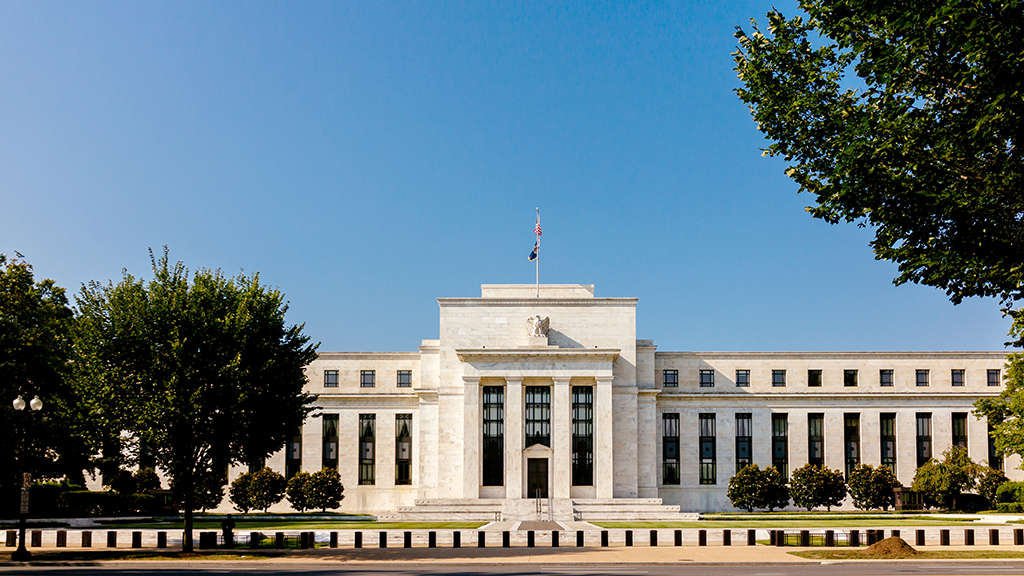
In a comprehensive report, the Federal Reserve's internal watchdog has highlighted significant mismanagement in the central bank's extensive building renovation project, which has escalated to a staggering cost of $2.4 billion. While the investigation led by the inspector general found no criminal violations, it did uncover a series of missteps by the Fed's Board of Governors that resulted in inflated project costs due to improper planning and execution.
The inspector general's 120-page report pointed out that the Fed's Board failed to secure a comprehensive cost estimate prior to the project's commencement and did not set a maximum overall cost, which could have mandated the contractor to absorb inflationary impacts. As construction began in 2022, costs surged significantly. "Our review found that the Board has not effectively managed and executed its contract and repeatedly deviated from its cost-management provisions," the report stated.
This renovation project has been a focal point of scrutiny during the Trump administration, particularly as pressures mounted to cut key interest rates. Notably, President Donald Trump visited the construction site last July, where he was corrected by then-Chairman Jerome Powell regarding the project's estimated expenses, a moment captured by cameras as they donned hard hats. Congressional criticism of the project intensified, prompting Powell to request an investigation by the inspector general in July 2025.
The project also drew the attention of the Trump Justice Department, which initiated a criminal investigation into whether Powell had committed perjury during his Senate testimony concerning the renovation. However, this investigation was terminated in April after a judge quashed subpoenas issued by U.S. Attorney Jeanine Pirro. Pirro indicated that she would await the inspector general's findings before considering any further actions. The inspector general's report ultimately concluded, "At no point during our evaluation did we find reasonable grounds to believe that a violation of federal criminal law had occurred requiring a referral to the U.S. Attorney General."
In the wake of the report, Tim Lauer, a spokesperson for Pirro's office, confirmed that the findings were still under review. Powell's term as chair concluded in May, yet he opted to remain on the board as one of seven governors, a move that extends his term until January 2028. By retaining his position, Powell has effectively stymied the Trump administration’s ability to appoint a new board member. Trump has since leveraged the report to reiterate calls for Powell's resignation, stating, "He can’t manage a Building, and he certainly shouldn’t be allowed to manage his High Interest Rate Policy."
Senator Elizabeth Warren, a prominent Democrat on the Senate Banking Committee and a vocal critic of Powell, remarked that the report has validated her stance that Pirro and Attorney General Todd Blanche lack a basis to reignite investigations against Powell.
Kevin Warsh, the current Fed Chairman who assumed his role in May, expressed his support for the inspector general's findings, noting that the General Services Administration (GSA), which oversees federal buildings, will take on a consulting role with the Fed to help manage the renovation project. Warsh also stated that an independent auditor would be engaged to scrutinize the project and its associated costs. The Fed, in collaboration with the GSA, plans to review all project contracts and pursue appropriate remedies, including seeking reimbursement for any work that was funded but not executed.
The report indicated that the renovation costs for two Fed buildings soared from an initial estimate of $921 million in February 2020 to $2.018 billion by December 2024. The timeline for completion has now been extended to December 2027, significantly beyond the original completion target of mid-2024. While the Trump administration and some Republican legislators criticized certain project features as excessive—such as water fountains and private elevators—the report clarified that these elements were not the primary contributors to the inflated costs. Instead, a major redesign decision made by the Fed in 2023, shifting from an open workspace to predominantly closed office spaces, was cited as a key factor that delayed the project and hindered the establishment of a maximum cost ceiling at that stage.
The Fed has attributed the cost overruns to multiple factors, including inflation spikes that followed the COVID-19 pandemic, unforeseen expenses like asbestos remediation, and additional requests from review agencies. Furthermore, Trump-appointed members of a planning commission during his first term encouraged the Fed to enhance the marble detailing on the renovated buildings, aligning with Trump’s preference for classical architectural styles. The report acknowledged these factors but emphasized that they did not excuse the key project management and contract execution failures that transformed the contract structure into a cost-plus reimbursement arrangement.
Senator Tim Scott, chairman of the Senate Banking Committee, remarked, "Inflation does not change the Fed’s responsibility to manage its resources prudently and be accountable to Congress."
The inspector general's 120-page report pointed out that the Fed's Board failed to secure a comprehensive cost estimate prior to the project's commencement and did not set a maximum overall cost, which could have mandated the contractor to absorb inflationary impacts. As construction began in 2022, costs surged significantly. "Our review found that the Board has not effectively managed and executed its contract and repeatedly deviated from its cost-management provisions," the report stated.
This renovation project has been a focal point of scrutiny during the Trump administration, particularly as pressures mounted to cut key interest rates. Notably, President Donald Trump visited the construction site last July, where he was corrected by then-Chairman Jerome Powell regarding the project's estimated expenses, a moment captured by cameras as they donned hard hats. Congressional criticism of the project intensified, prompting Powell to request an investigation by the inspector general in July 2025.
The project also drew the attention of the Trump Justice Department, which initiated a criminal investigation into whether Powell had committed perjury during his Senate testimony concerning the renovation. However, this investigation was terminated in April after a judge quashed subpoenas issued by U.S. Attorney Jeanine Pirro. Pirro indicated that she would await the inspector general's findings before considering any further actions. The inspector general's report ultimately concluded, "At no point during our evaluation did we find reasonable grounds to believe that a violation of federal criminal law had occurred requiring a referral to the U.S. Attorney General."
In the wake of the report, Tim Lauer, a spokesperson for Pirro's office, confirmed that the findings were still under review. Powell's term as chair concluded in May, yet he opted to remain on the board as one of seven governors, a move that extends his term until January 2028. By retaining his position, Powell has effectively stymied the Trump administration’s ability to appoint a new board member. Trump has since leveraged the report to reiterate calls for Powell's resignation, stating, "He can’t manage a Building, and he certainly shouldn’t be allowed to manage his High Interest Rate Policy."
Senator Elizabeth Warren, a prominent Democrat on the Senate Banking Committee and a vocal critic of Powell, remarked that the report has validated her stance that Pirro and Attorney General Todd Blanche lack a basis to reignite investigations against Powell.
Kevin Warsh, the current Fed Chairman who assumed his role in May, expressed his support for the inspector general's findings, noting that the General Services Administration (GSA), which oversees federal buildings, will take on a consulting role with the Fed to help manage the renovation project. Warsh also stated that an independent auditor would be engaged to scrutinize the project and its associated costs. The Fed, in collaboration with the GSA, plans to review all project contracts and pursue appropriate remedies, including seeking reimbursement for any work that was funded but not executed.
The report indicated that the renovation costs for two Fed buildings soared from an initial estimate of $921 million in February 2020 to $2.018 billion by December 2024. The timeline for completion has now been extended to December 2027, significantly beyond the original completion target of mid-2024. While the Trump administration and some Republican legislators criticized certain project features as excessive—such as water fountains and private elevators—the report clarified that these elements were not the primary contributors to the inflated costs. Instead, a major redesign decision made by the Fed in 2023, shifting from an open workspace to predominantly closed office spaces, was cited as a key factor that delayed the project and hindered the establishment of a maximum cost ceiling at that stage.
The Fed has attributed the cost overruns to multiple factors, including inflation spikes that followed the COVID-19 pandemic, unforeseen expenses like asbestos remediation, and additional requests from review agencies. Furthermore, Trump-appointed members of a planning commission during his first term encouraged the Fed to enhance the marble detailing on the renovated buildings, aligning with Trump’s preference for classical architectural styles. The report acknowledged these factors but emphasized that they did not excuse the key project management and contract execution failures that transformed the contract structure into a cost-plus reimbursement arrangement.
Senator Tim Scott, chairman of the Senate Banking Committee, remarked, "Inflation does not change the Fed’s responsibility to manage its resources prudently and be accountable to Congress."
🏷️
public sector
cost management
contract execution
construction oversight
building renovation
inflation impacts
project management
Senate Banking Committee
Federal Reserve
budget overruns
← Previous Post
Development Permit Application Submitted for SFU's New Medical School in Surrey2 weeks ago