Addressing Housing Shortages in Northern Canada: Innovative Solutions for Unique Challenges
📅 2 months ago
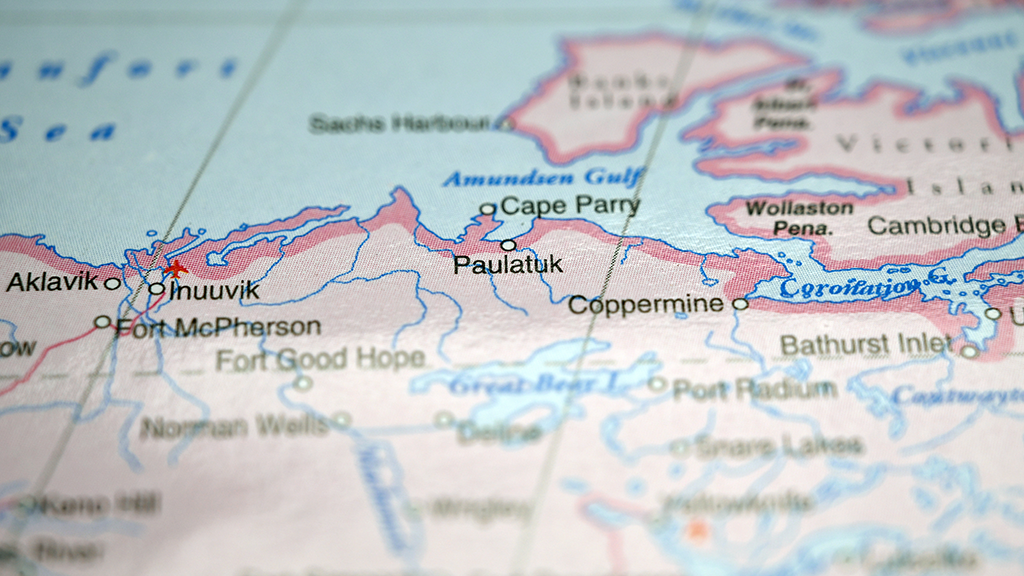
As Whitehorse faces a significant housing shortage affecting locals and newcomers, innovative construction solutions are emerging to tackle the unique challenges of building in Northern Canada.
WHITEHORSE — Sarah Newton, a resident of Whitehorse, has been actively monitoring community posts on social media, where an increasingly frequent theme has emerged: the urgent need for housing. The posts reflect a dire situation, with numerous individuals, both locals and newcomers, struggling to find available accommodations in the northern city. Despite the presence of individuals with substantial budgets seeking homes, the scarcity of housing options is a pressing concern for the community. Newton, who serves as the board president for the Northern Community Land Trust—a non-profit organization dedicated to creating permanently affordable housing in the Yukon—expressed her alarm over the housing crisis. 'It’s actually insane, the lack of housing for people,' she remarked, highlighting the community's significant demand for essential workers, including teachers, healthcare professionals, and construction workers, who are crucial to the region's development but are hindered by the housing shortage.The issue of housing scarcity is not unique to Whitehorse but resonates across Northern Canada, where the construction of new housing faces distinctive challenges. Factors such as environmental conditions and supply chain issues complicate efforts to meet the growing demand. Policymakers and industry stakeholders are advocating for increased housing availability nationwide to enhance affordability, yet experts familiar with Northern Canada stress the necessity of tailored approaches that consider the region's specific realities.
A recent report from the Canada Mortgage and Housing Corporation (CMHC) indicated that housing affordability in the three territories is projected to decline by 2025 compared to 2021, exacerbated by 'critically low availability' of both market and subsidized housing options. The report noted that per-capita housing starts remain significantly lower than the national average, impacted by high construction costs, limited access to serviced land, and logistical and workforce challenges.
Aled ab Iorwerth, deputy chief economist at CMHC, elaborated on the unique circumstances in Northern Canada, noting that while high housing costs and affordability issues are prevalent, areas like Nunavut face additional obstacles related to building quality and overcrowding. He pointed out that market-price housing is predominantly found in territorial capitals, a situation likely influenced by construction costs. 'The season for building when the weather is acceptable is obviously quite short,' he stated, emphasizing the lengthy supply chains necessary to transport materials to the North, which significantly affects energy costs and overall construction expenses.
In response to the growing housing crisis, Newton's organization is nearing the completion of a pivotal project: a 32-unit housing complex in Whitehorse. This initiative aims to provide locals with the opportunity to purchase homes at a discounted rate, supported by land donations, government funding, and efficient design practices. The project has been carefully crafted to accommodate local conditions, featuring fire-resistant siding and an emphasis on sustainability. 'We have kept environmental, energy-efficient and sustainable designs at the top of our priority list because we believe that affordability is not about building cheap, it’s about building durable and it’s about building for the future,' Newton stated.
Challenges persist, however, particularly in acquiring materials for construction. Many supplies must be sourced from southern cities, leading to delays and complications in the building process. Newton recounted difficulties in obtaining kitchen cabinetry, illustrating the logistical hurdles faced by builders in the North. 'There’s timeline delays on getting certain things in at specific times because of that,' she explained.
The CMHC report acknowledged that while the North confronts unique challenges, it also presents opportunities for innovative housing solutions. This includes approaches that are more responsive to regional needs and energy-efficient designs suited for Northern and Arctic climates. The report cited projects like the Kivalliq Long-Term Care Facility in Rankin Inlet, which employs strategies for thermal performance and natural light to enhance comfort in harsh conditions.
Arcan Group, a general contractor and design firm operating in the Northwest Territories, has pioneered a model of 'ready-to-move' homes in collaboration with the Hay River Métis community. Hughie Graham, the company's director of partnerships and development, described this approach as 'hybrid modular construction,' where home components are built year-round in a controlled environment and later assembled on-site. 'We build homes there that are engineered for Arctic conditions,' he noted, emphasizing that traditional southern construction methods often fall short in the North.
Graham pointed out that the cost of heating homes varies significantly across regions, highlighting the importance of energy efficiency in construction. 'The cost of heating a place in Ulukhaktok, for example, is three times what it is in Yellowknife,' he explained, underscoring the need for durable, energy-efficient housing solutions. Although Arcan has made strides in building homes across approximately half of the Northwest Territories’ communities, Graham acknowledged that the overall housing supply remains critically low. He identified workforce attraction as a primary challenge, suggesting that addressing labor shortages is a key opportunity for reducing construction costs.
'If we could get some federal and territorial investment … to offset the labour, that’s probably the largest component of the cost of construction,' Graham concluded, reinforcing the urgent need for collaborative efforts to tackle the housing crisis in Northern Canada.
🏷️
Affordable housing
community development
housing shortage
Northern Canada
energy efficiency
sustainable design
Whitehorse
construction challenges
modular homes
Yukon housing
← Previous Post
Tank Hill Project: Rebuilding Infrastructure with Climate Resilience in Mind2 months ago