Innovative Building Solutions: Mass Timber, Modular Construction, and District Energy Redefine Canada's Development Landscape
📅 5 months ago
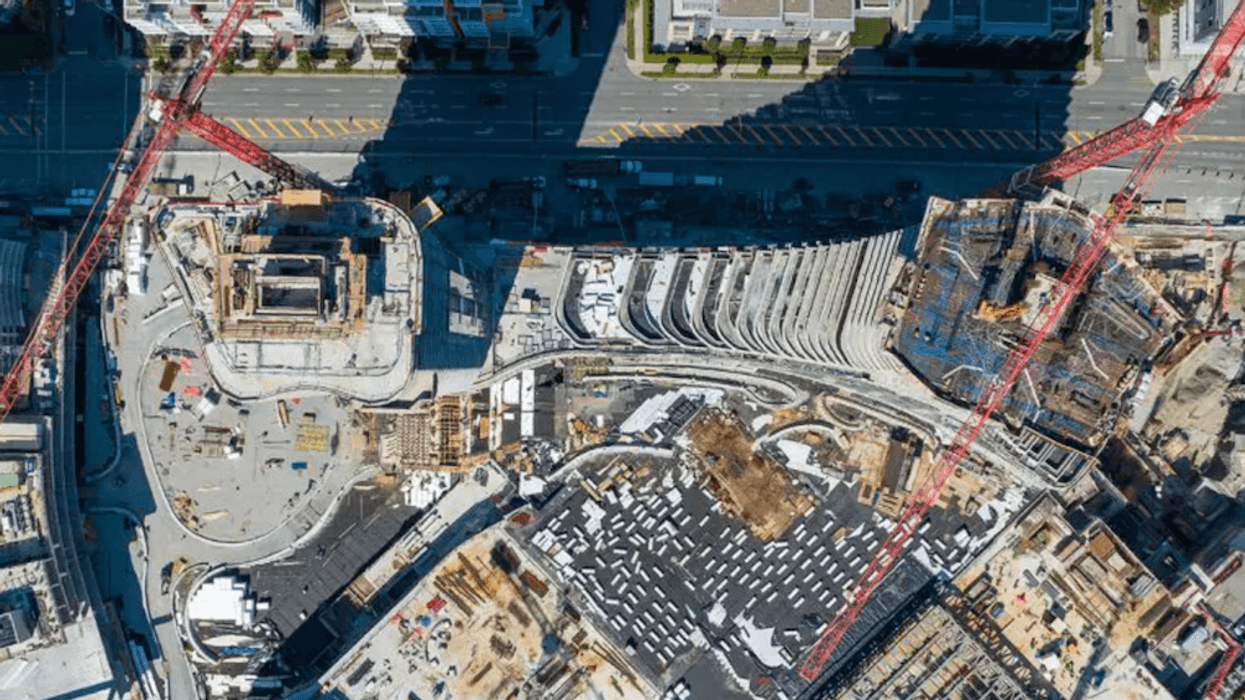
As Canada faces new construction challenges, developers are increasingly adopting mass timber, modular construction, and district energy solutions to enhance project delivery and sustainability.
In a striking evolution within Canada's construction sector, developers are now navigating a landscape marked by escalating costs, supply chain shortages, and ongoing economic volatility. This shift has prompted a reevaluation of traditional project delivery methods, compelling builders to adopt innovative strategies that promise not only to address immediate challenges but also to set the stage for sustainable long-term growth. The once-thriving real estate market has shifted, leading to a new era where infrastructure decisions are made earlier in the project lifecycle, with significant implications for project economics, density, and operational complexity.Among the most promising approaches gaining traction are mass timber, modular construction, and district energy systems. These methodologies not only align with sustainability objectives but are also becoming standard practice as developers seek to enhance efficiency and reduce costs. Understanding how these methods work in concert is essential for effective master planning. For instance, mass timber and modular construction offer rapid, above-ground structural solutions, while district energy serves as a foundational economic engine, optimizing overall project viability.
Mass timber has emerged as a revolutionary material in large-scale construction, reshaping perceptions of wood beyond its traditional role in single-family residences. This innovative approach transforms wood into a robust structural element that rivals concrete and steel in terms of fire resistance, seismic performance, and load-bearing capacity. The operational benefits of mass timber are particularly pronounced; its prefabricated nature allows for faster assembly on-site, akin to piecing together a giant LEGO set. This not only expedites construction timelines but also minimizes noise and disruption during the building process. Noteworthy Canadian mass timber projects include George Brown College’s Limberlost Place in Toronto, the University of Toronto’s Academic Wood Tower—Canada’s tallest academic timber structure—and The Hive, a creative office space in Vancouver.
In a significant regulatory update, Ontario's Building Code was amended in early 2025 to permit mass timber buildings of up to 18 storeys, an increase from the previous limit of 12 storeys. This change positions mass timber as a viable competitor to conventional materials in the mid-to-high-rise residential sector, opening new avenues for developers.
Meanwhile, modular construction is undergoing a renaissance. Traditionally associated with simple kit homes, the modern modular approach involves the precise off-site assembly of building sections, which are then transported and installed on-site. This technique eliminates weather-related delays and reduces material waste while enabling simultaneous work on indoor trades and site foundations. The evolution from basic single-family structures to sophisticated multi-storey developments is being driven by advancements in Building Information Modelling (BIM), allowing for the seamless integration of electrical, plumbing, and finishing elements directly into the modules. Canada is leading the charge with significant modular projects, such as the West 8th and Arbutus development in Vancouver, which features a large-scale supportive housing initiative, alongside various mid-rise student residences and hotels in Ontario and Alberta.
The paradigm of infrastructure planning is shifting dramatically with the adoption of district energy systems, which are now considered essential for successful master-planned communities and high-density infill projects. Historically, infrastructure was treated as a late-stage consideration; however, contemporary developers recognize that energy infrastructure is a critical determinant of an asset’s financial viability. The traditional mindset of “one building, one boiler” is giving way to decentralized, fifth-generation district energy networks. These systems utilize interconnected underground thermal loops to share heating and cooling across entire neighborhoods, optimizing energy use and reducing waste.
Samson Tam, Director of Business Development at Corix, highlights the evolution of district energy systems, which have moved beyond outdated steam models to modern frameworks that are adaptable and environmentally friendly. By centralizing thermal generation, developers benefit from reduced upfront capital costs—potentially by as much as 100%—and a streamlined operational model that alleviates the complexity of individual building systems. This allows for greater flexibility in integrating clean technologies and adjusting to future energy demands.
The financial advantages of centralized district energy systems are becoming increasingly apparent. For instance, Simon Fraser University’s Burnaby Mountain campus utilizes a high-efficiency plant powered by local wood waste, showcasing how effective infrastructure planning can lead to decarbonized communities. By prioritizing energy infrastructure in the development process, builders can ensure that their projects are both economically viable and environmentally responsible.
As Canada’s construction industry adapts to these innovative strategies, the interplay between above-ground building methods and below-ground energy systems is becoming a focal point for developers. The decisions made today will shape the future of urban development, underscoring the importance of integrated planning in creating sustainable and economically sound communities.
🏷️
sustainability
Infrastructure
urban development
Canada
construction innovation
prefabrication
Mass Timber
building codes
district energy
modular construction
Next Article →
Tim Hortons Invests $400 Million in Restaurant Expansion and Renovations Across Canada5 months ago