King Cove Road Project Faces Legal Challenges Despite Federal Approval
📅 3 months ago
The long-debated King Cove road project in Alaska has received federal approval, but legal actions from tribal governments and environmental groups threaten its construction.
After numerous years of discussions, political conflicts, and legal disputes, the State of Alaska has finally obtained the essential federal approval to commence construction on a 19-mile single-lane gravel road intended to connect the remote fishing village of King Cove to Cold Bay, its neighboring community. As heavy equipment operators prepared to initiate the project, three tribal governments from Western Alaska, along with several environmental organizations, filed lawsuits aimed at halting construction due to concerns regarding the road's route through the ecologically significant wetlands of the Izembek National Wildlife Refuge, located at the western end of the Alaska Peninsula.The proposed road has been a primary focus for Alaskan transportation and public safety for many years, as it is designed to provide reliable ground access for residents of King Cove. This access is particularly critical as it links to an airport in Cold Bay, which features a 10,000-foot-long all-weather runway vital for medical evacuations. However, the road's proposed path traverses the heart of the 315,000-acre wildlife refuge, which is internationally recognized for its wetlands and as a habitat for migratory birds.
Biologists have raised alarms regarding the potential impacts of this construction on local wildlife, particularly species such as the Pacific black brant and emperor geese. The refuge is renowned as one of the world's most important staging and wintering areas for migratory birds, making the proposed road a contentious issue among environmental advocates.
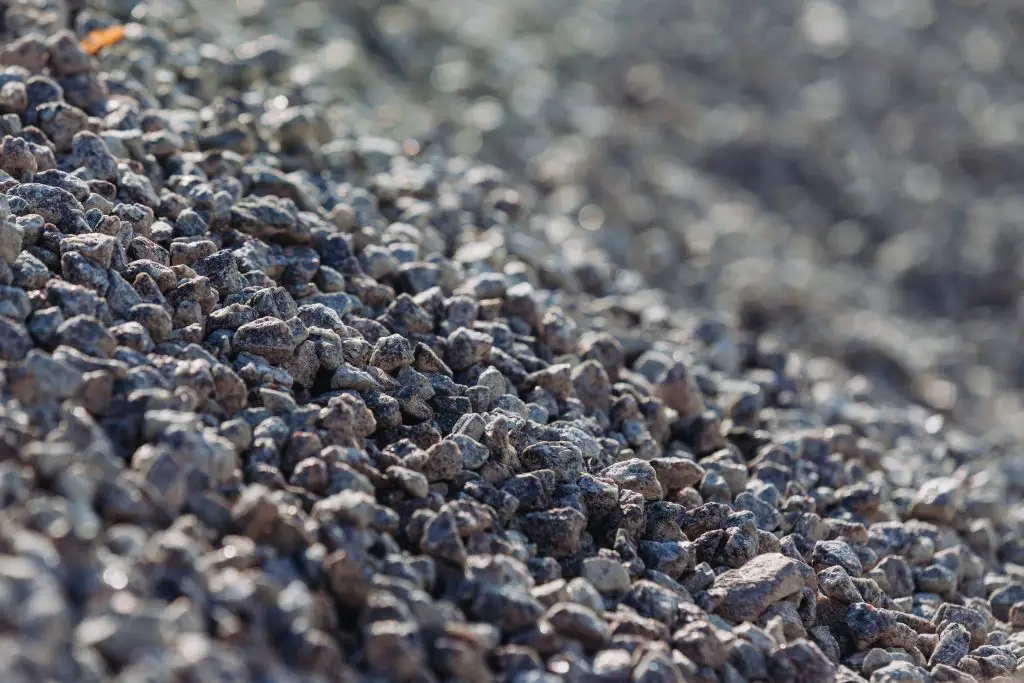
The design for the road includes a 13-foot-wide gravel pathway equipped with 113 vehicle turnout spaces, approximately 85 drainage culverts, and a single bridge. Construction is expected to require the placement of around 40,000 cubic yards of gravel and fill material, which would inevitably disrupt the wetlands and stream channels within the refuge.
Supporters of the project argue that it represents long-overdue infrastructure that could save lives in one of Alaska’s most isolated regions. They emphasize the importance of the road for improving transportation and creating local jobs and workforce development opportunities for the King Cove community. Ryan Anderson, the commissioner of the Alaska Department of Transportation and Public Facilities, expressed optimism regarding the project's potential benefits.
Secretary of the Interior Doug Bergum also commented on the project, highlighting that the residents of King Cove have advocated for this road for over five decades. He stated, “This project is about more than just infrastructure – it is about saving lives, increasing subsistence opportunities, connecting communities, and addressing the essential needs of residents while supporting sustainable economic opportunities and wildlife refuges.”
However, the situation has escalated following the filing of two lawsuits in U.S. District Court in Anchorage in late July. The first suit was initiated by the Native Village of Hooper Bay, Native Village of Paimiut, Chevak Native Village, and the Center for Biological Diversity, while the second was filed by environmental organizations including Friends of Alaska National Wildlife Refuges, the Alaska Wilderness League, the National Wildlife Refuge Association, the Sierra Club, and Wilderness Watch.
The plaintiffs contend that the U.S. Army Corps of Engineers unlawfully issued the construction permit without thoroughly assessing the environmental ramifications of the project. Their claims suggest violations of several laws, including the Clean Water Act, the National Environmental Policy Act, and the Alaska National Interest Lands Conservation Act. The tribal lawsuit further emphasizes the cultural significance of the area, arguing that damage to migratory bird populations could severely impact Indigenous communities that depend on these birds for sustenance.
Lawyers representing the plaintiffs articulated the importance of the geese to the Native Village of Hooper Bay, stating, “The citizens of the Native Village of Hooper Bay harvest black brant and emperor geese in the spring after they have fattened up in Izembek... These geese provide critical nutrition in the spring and fall and help the Native Village of Hooper Bay’s citizens sustain their connections to the land, each other, and their shared cultural traditions.”
As the project has now gained federal approval, the outcome of the legal challenges will determine whether this significant transportation initiative can finally proceed or if it will continue to be ensnared in ongoing legal disputes.
🏷️
legal challenges
environmental impact
tribal governments
Infrastructure
public safety
construction permits
Alaska
wildlife refuge
King Cove
Transportation
← Previous Post
Illinois State University Students Showcase Innovation in NECA-Sponsored Electrical Competition3 months ago
Next Article →
Canadian Businesses Optimistic About Economic Agenda Amid U.S. Tariff Threats3 months ago