Mass Timber Construction Gains Momentum in British Columbia Municipalities
📅 3 months ago
Municipalities in British Columbia are increasingly adopting mass timber construction, driven by its aesthetic appeal, life-cycle performance, and low-embodied carbon. The District of Saanich's decision to employ a mass timber hybrid design for its new fire station exemplifies this trend, highlighting potential cost savings and environmental benefits.
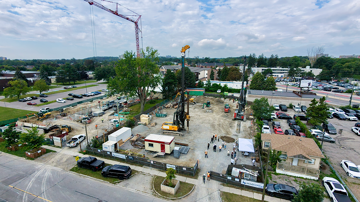
British Columbia is witnessing a growing trend among its municipalities towards the adoption of mass timber construction, buoyed by incentives, planning tools, and supportive policies. This shift is not merely aesthetic; the District of Saanich has opted for a mass timber hybrid design for the construction of the Saanich Fire Station No. 2, which is currently underway. According to Stacy McGhee, the manager of strategic facilities planning for the District of Saanich, the decision was influenced by the building's life-cycle performance and its low-embodied carbon footprint.During the pre-design phase, the district evaluated three potential options for the fire station: maintaining the existing structure, selecting the most economical design, or opting for a performance-based building that featured mass timber. Ultimately, the performance-based design emerged as the most cost-effective choice when assessed over a life cycle of 80 years, presenting a savings of approximately $5 million. This building will be the first in Saanich to meet the Step 3 commercial compliance under the B.C. Energy Step Code.
McGhee expressed enthusiasm for a user evaluation of the mass timber fire station within a year or two, anticipating that performance data will be available at that time. He noted the positive impact the building's design could have on staff, mentioning aspects such as the comforting appearance of wood, the acoustics, and the overall solidity of the structure. He emphasized that when municipal councils are presented with well-analyzed data, they are more likely to respond favorably, especially those that embrace an environmentally-conscious approach to design.
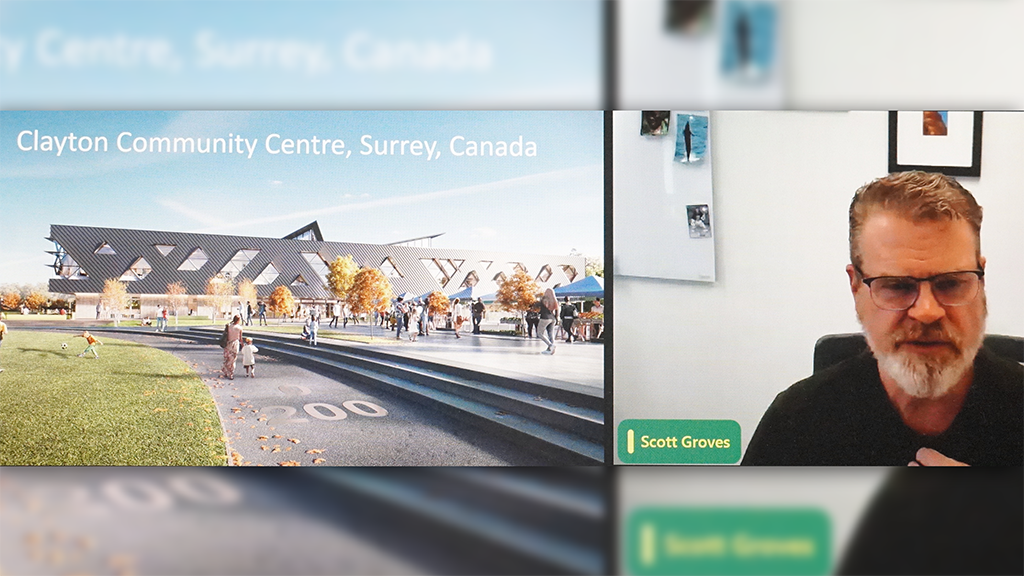
The current momentum is evident as over half a dozen fire stations are now under construction across British Columbia. A significant consideration for these projects is the consistency in design and engineering approaches. In the Township of Langley, where another fire hall is being constructed, Scott Groves, the director of corporate projects, indicated that lessons learned from the design and construction of the Saanich fire hall could inform standardized design methods for future fire halls. This standardization could enhance cost efficiency and create familiarity for staff transitioning between different facilities.
Furthermore, McGhee hopes to apply insights from the Saanich fire hall project to an upcoming redevelopment of a public works yard in the municipality, with the potential for incorporating elements of mass timber in that project as well. In Langley, the township has been advocating for enhanced architectural aesthetics in new building projects. Groves noted that this desire for improved appearances has influenced the decision to utilize an exposed mass timber arched roof structure for the Smith Athletic Park indoor fieldhouse.
In this case, two design options were presented to the council: mass timber and pre-engineered steel, which is commonly used in fieldhouses across Canada for practical reasons. However, the 97-meter roof span required for the Langley fieldhouse proved impractical for steel, leading the design team to innovate with three large timber segments combined into a single structure. Groves described the resultant facility as one that fosters a welcoming community atmosphere, further emphasizing its significance as the largest FIFA-approved soccer pitch covered by a roof in Canada that is not classified as a stadium.
Groves highlighted that the integration of practical, cost-effective solutions, alongside a strong commitment to sustainability and net-zero carbon objectives, positions mass timber favorably for a variety of future projects in Langley. The recent webinar on this topic was organized by WoodWorks BC, a program of the Canadian Wood Council.
🏷️
fire station
building design
Mass Timber
British Columbia
community center
public infrastructure
construction trends
energy efficiency
low-embodied carbon
sustainable construction
Next Article →
De Havilland Aircraft Breaks Ground on Major Manufacturing Hub in Alberta3 months ago