Ottawa Unveils $100 Million Rebate Plan to Lower Domestic Steel Shipping Costs
📅 2 months ago
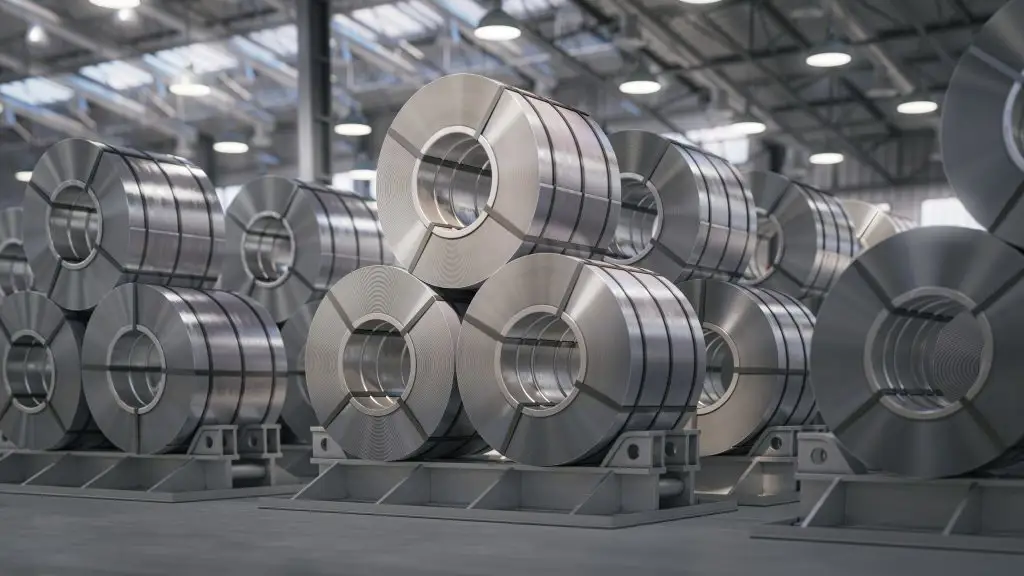
The Canadian government has announced a $100 million rebate initiative aimed at reducing steel shipping costs, supporting domestic producers impacted by U.S. tariffs.
OTTAWA – In a significant move to bolster Canadian steel producers affected by tariffs, the federal government has announced a rebate plan worth $100 million aimed at reducing the cost of domestic steel shipping. Transportation Minister Steven MacKinnon made the announcement in Hamilton on Monday, detailing how the initiative will cover half of the freight charges for eligible steel products transported across Canada via rail or ship. This effort is designed to encourage Canadian manufacturers to source their steel from local suppliers instead of relying on imports from the United States and other countries."Canadians want to buy Canadian products. Canadians want their governments to buy Canadian products. Canadian businesses want to use more Canadian materials," MacKinnon stated. "And our government wants to support that." The rebate program is now open for applications, with companies able to apply starting Monday. The initiative is set to remain in effect until next summer or until the allocated funding has been fully utilized. Each recipient can receive a maximum cumulative rebate of $50 million.
Eligibility for the rebate is restricted to steel products that are of Canadian origin and intended for domestic destinations. This means that anyone who incurs freight costs for shipping steel—whether producers, intermediaries, or end users—can apply for the financial relief. MacKinnon emphasized that this program will help increase the availability of domestically produced rebar in Canadian construction projects. "This is a tangible example of how rebar becomes more competitive and accessible to other Canadian markets by virtue of having transportation subsidies," he added.
The announcement comes in the wake of criticisms from Conservative Leader Pierre Poilievre, who addressed the media in Chicoutimi, Quebec, on the same day. Poilievre accused the Liberal government of exacerbating costs for steel producers through the maintenance of the industrial carbon price and the planned resumption of federal excise taxes on fuel next month. He argued that these policies are imposing greater financial burdens on the steel sector than the tariffs implemented by U.S. President Donald Trump.
"We’re calling for an end to the industrial carbon tax on steel, aluminum, autos and other production, as well as a full suspension of all gas taxes for the remainder of the calendar year to facilitate more affordable movement of our steel and other goods within Canada," Poilievre asserted.
Accompanying MacKinnon during the announcement was Ron Bedard, the head of the Canadian Steel Producers Association and CEO of ArcelorMittal Dofasco, a local fabricator. Bedard noted that the ongoing 50 percent U.S. tariffs on Canadian steel have had a significant impact on the industry, although he pointed out that the sector has remained resilient with relatively few layoffs. He expressed support for the federal government’s rebate initiative, stating that ArcelorMittal Dofasco has opened new offices in Quebec and along both coasts to enhance its reach into domestic markets.
"Facilitating the transport of steel from Sault Ste. Marie, Regina, Hamilton, and Quebec to all corners of the country is critically important. Access to competitive rail rates will enable us to serve provinces from the East Coast to the West Coast effectively," Bedard explained.
Prime Minister Mark Carney had earlier introduced a plan in November aimed at reducing freight costs for both the steel and lumber sectors, which are facing challenges from U.S. tariffs and changing global trade dynamics. Initially, this program was scheduled to commence in the spring of 2026. On Monday, the federal government indicated that it is still exploring additional support for the forestry sector.
The Forest Products Association of Canada welcomed the government's initiatives to alleviate transportation costs for the steel sector but highlighted the need for distinct solutions for the forest industry. Rail transportation expenses constitute a substantial part of the profit margins in the forestry sector, and the association is advocating for long-term strategies to improve rail network reliability and cost-effectiveness.
"We appreciate the government’s recognition that steel and forest products face fundamentally different market dynamics and that the path forward for forestry should reflect the distinct needs of our sector. We’re not looking for Band-Aid solutions here," stated Derek Nighbor, president and CEO of the Forest Products Association of Canada, in a media statement.
🏷️
Canadian manufacturing
construction materials
freight rebate
tariffs
rail transportation
forest products
government support
steel industry
domestic production
shipping costs
Next Article →
Ontario New-Home Sales Surge 130% in Q2 2026 Driven by HST Rebate Program2 months ago