Plaquemines LNG Terminal Seeks Major Expansion Amid Environmental Concerns
📅 2 months ago
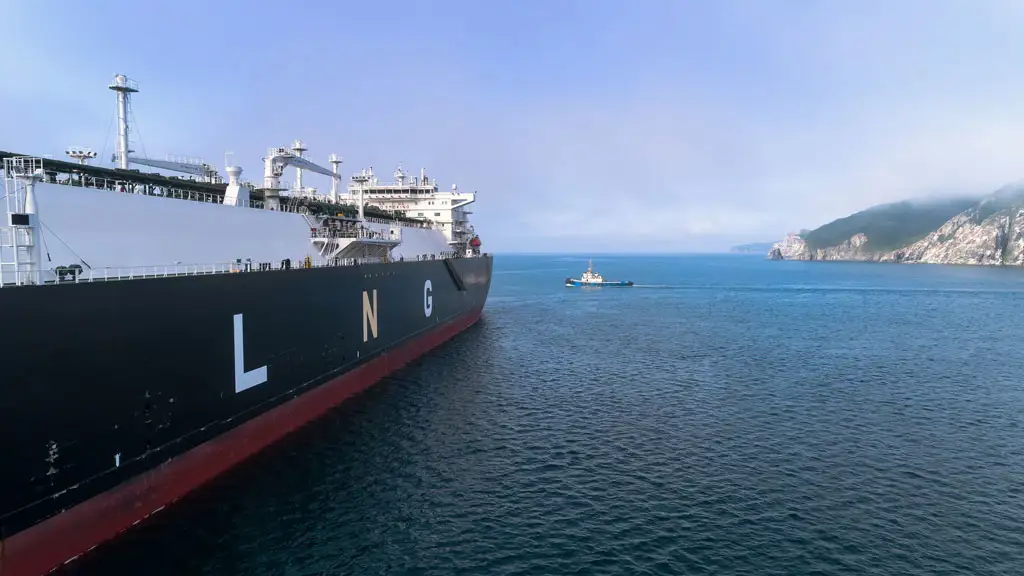
The Plaquemines LNG terminal near New Orleans is undergoing a significant expansion process under an expedited permitting framework initiated by the Trump administration, raising environmental concerns among activists and local leaders.
In a significant development for the energy sector, the Plaquemines LNG terminal, located on the Mississippi River between Myrtle Grove and Port Sulphur, is pursuing a multibillion-dollar expansion less than two years after its initial opening. This expansion is being facilitated by a new permitting process labeled an 'emergency' by the Trump administration, which aims to expedite environmental reviews and potentially lessen protections for nearby wetlands and waterways.The U.S. Army Corps of Engineers has authorized fast-tracked permitting for the expansion under a 'national energy emergency' declared by Trump last year. This move has shortened the standard public comment period from 30 days to just 10 days, which ended on July 2. The expansion, if approved, will allow the terminal to more than double its size, increasing from nearly 590 acres to approximately 1,220 acres. Once completed, this facility is projected to become the largest LNG export terminal in North America, according to its operator, Virginia-based Venture Global.
Environmental advocates have raised alarms about the potential impacts of this expedited review process, arguing that it could diminish scrutiny over dredging operations, in-water construction, and the filling of marshlands in a region already grappling with severe land loss. The Army Corps estimates that the expansion could result in damage to up to 470 acres of wetlands and water bottoms in central Plaquemines Parish, located around 25 miles south of New Orleans.
Matt Rota, a senior policy director with the environmental organization Healthy Gulf, expressed concerns about the ecological ramifications, stating, 'Louisiana is already dealing with a coastal crisis. Destroying 400 more acres in Plaquemines Parish is ridiculous. I don’t know how many acres they have left, but it’s not that much.' Over the past six decades, Plaquemines Parish has lost over 250 square miles of land due to subsidence, sea level rise, and erosion. Projections by the state’s Coastal Protection and Restoration Authority indicate that an additional 300 square miles—nearly half of the remaining land in the parish—could disappear in the next 50 years.
The situation is dire, as Louisiana has seen nearly 2,000 square miles of its coastal areas vanish since the early 1900s, an area comparable to the size of Delaware. In light of these issues, the Army Corps and Venture Global have not provided comments regarding the expansion.
The emergency declaration under which this permitting is being expedited could also pave the way for hundreds of other energy projects to receive similar fast-tracked approvals. Trump has stated that this measure is essential for maintaining a 'reliable, diversified, and affordable supply of energy' for both the U.S. military and the broader economy. Last year, the Army Corps identified over 600 projects that could bypass the standard review process mandated by the Clean Water Act.
This expedited permitting is likely to further accelerate the growth of the already flourishing LNG industry, with more than 30 LNG export terminals currently under construction or proposed across the United States. Plaquemines LNG stands as the newest addition among four terminals in Louisiana, which also include Sabine Pass, Cameron LNG, and Calcasieu Pass LNG, the latter also owned by Venture Global.
LNG, or liquefied natural gas, is natural gas that has been cooled to a liquid state for easier transportation overseas. The demand for LNG has surged as countries seek alternatives to coal and Russian gas supplies. However, critics of the industry argue that exporting natural gas conflicts with Trump’s rationale for declaring an energy emergency, which was to address the 'nation’s inadequate energy supply.'
Griffin Bird, a research analyst with the Environmental Integrity Project, remarked, 'It’s hard to see how expanding an LNG export terminal is going to help domestic energy independence and reliability.' Along similar lines, Rota added, 'This has nothing to do with energy security. It sacrifices the Louisiana coast to enrich billionaires.'
In the past year, Plaquemines LNG exported 833 billion cubic feet of gas, with a significant portion, particularly 19%, going to Germany, according to the U.S. Energy Information Administration. The terminal is one of Louisiana's major industrial facilities, featuring 1.3 miles of riverfront, three ship berths, two gas-fired power plants, and nearly 30 miles of natural gas pipeline. However, it is also one of the largest polluters in the state, permitted to release approximately 8.1 million tons of carbon dioxide and other greenhouse gases annually, equivalent to the emissions produced by 1.7 million gas-powered vehicles. Only CF Industries, an ammonia producer in Donaldsonville, emits more greenhouse gases than Plaquemines LNG, releasing about 10.4 million tons in 2023.
These emissions, along with the carbon dioxide released during the burning of LNG for energy abroad, are contributing to climate change, which is further exacerbating sea level rise and intensifying storms that lead to land loss in Plaquemines. Rota warned, 'Burning more natural gas means we lose Plaquemines Parish even faster.' The proposed expansion would increase the terminal's production capacity from about 1.4 trillion cubic feet of gas per year to around 2.3 trillion cubic feet. While the impact on emissions remains uncertain, federal filings suggest that the larger facility could generate a minimum of 9 million tons of greenhouse gases annually.
In response to the expansion, some Louisiana leaders are optimistic, believing it will stimulate economic activity and create jobs. U.S. House Majority Leader Steve Scalise, a Republican from Jefferson Parish, praised the swift development of the Plaquemines site, stating, 'This was a cow pasture four or five years ago. Now it’s the most modern, the most efficient, the largest LNG export facility in the world, and they’re building another one just like it next door.'
🏷️
Trump administration
Louisiana
LNG
natural gas
energy infrastructure
Plaquemines Parish
construction projects
permitting process
coastal erosion
environmental impact
Next Article →
Progress Update on CAMH's Waverley House Project as Construction Advances2 months ago