Construction Begins on Sixth Turbine at Revelstoke Generating Station
📅 3 months ago
BC Hydro has commenced construction on the sixth turbine at Revelstoke Generating Station, aiming to boost clean energy capacity amid rising electricity demand in British Columbia.
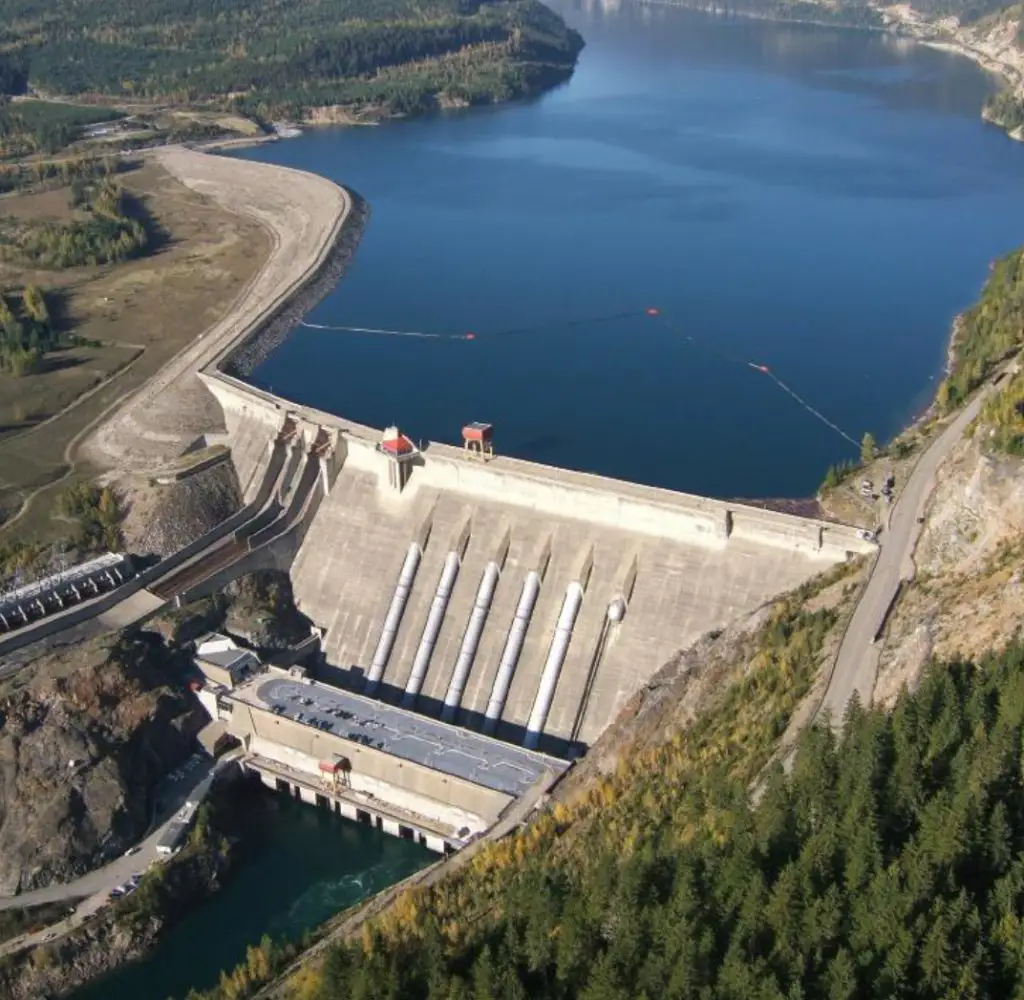
After extensive planning and a thorough regulatory review process, construction has commenced on the sixth and final turbine at the Revelstoke Generating Station, located along the Columbia River in southeastern British Columbia. This development marks a critical milestone for one of the largest hydroelectric assets in the province. The Revelstoke complex, situated approximately five kilometers upstream from existing hydroelectric facilities, is a cornerstone of BC Hydro’s Columbia River power system.The addition of this sixth turbine is set to increase the electricity generation capacity by 500 megawatts, addressing the rapidly growing demand for clean energy in the region. Originally, the generating station was designed to accommodate six turbines; however, only four were installed when it began operations in 1984. A fifth turbine was added to the facility in 2010, leaving one turbine bay unused for several years. The installation of the sixth turbine had been delayed due to earlier demand forecasts from BC Hydro that did not indicate a need for additional capacity.
However, an increase in electricity demand—driven by factors such as electrification and economic growth—has prompted BC Hydro to revive the project. The new turbine will be integrated into the existing infrastructure, located within the asserted traditional territories of the Syilx Okanagan Nation, Ktunaxa Nation, and Secwepemc Nation. This strategic decision allows BC Hydro to boost electricity production without the necessity of constructing a new dam or expanding the current facility’s footprint.
Company representatives highlight that this method is among the most cost-effective strategies for augmenting large-scale generating capacity within the provincial grid. Dubbed a “resource smart” approach, it focuses on modernizing existing facilities to maximize the value of prior public investments while minimizing environmental impacts and reducing costs compared to developing a completely new project.
The addition of the sixth turbine is expected to enhance BC Hydro’s capability to meet peak electricity demands, support the integration of new renewable energy resources, and provide increased operational flexibility during extreme weather events or unplanned outages. The construction work will occur entirely within the current generating station site, entailing the installation of a new turbine and generator in the previously unused turbine bay. Additionally, a sixth steel penstock will be constructed on the dam’s face to channel water to the new unit, along with a series of mechanical and electrical upgrades, including a new generator transformer and switchgear.
In the current year, construction efforts will concentrate on site preparation, the installation of foundations for a new warehouse, and the construction of rockfall fencing along the left bank of the dam, just below Highway 23 North. The construction project is scheduled to span over the next six years, progressing through multiple phases that include civil, mechanical, and electrical work before reaching the testing and commissioning stages. BC Hydro anticipates that the new unit will be operational by December 2032.
Construction will be executed by independent contractors through various large contracts, following BC Hydro’s procurement policies. At present, approximately 60 workers are on-site, with workforce requirements projected to rise steadily as construction progresses. The peak workforce is expected to reach around 180 workers in 2029. Overall, BC Hydro estimates that the project will yield over 450 person-years of employment during the construction phase, creating opportunities for tradespeople, equipment operators, crane operators, laborers, technicians, supervisors, and administrative personnel.
The utility also anticipates that the project will generate approximately $60 million in local spending on goods, materials, and services, significantly benefiting the Revelstoke area and surrounding Columbia Basin communities. BC Hydro is committed to promoting opportunities for First Nation-owned businesses and contractors to engage in the project, prioritizing workers from within a 100-kilometer radius and those residing in the Columbia Basin. Furthermore, under its agreement with unions, there are provisions for hiring qualified workers from First Nations communities, as well as equity hire provisions for women in non-traditional roles, visible minorities, or disabled individuals.
The construction program has been in the planning stages for several years and received an Environmental Assessment Certificate in 2018 after consultations with First Nations and various stakeholders. However, the expansion project was put on hold in 2021 and 2022 due to earlier demand projections that suggested the additional capacity was not immediately necessary. This decision was reversed as the demand for electricity surged due to electrification initiatives, population growth, and industrial development, leading to revised forecasts for future electricity consumption.
The timing of this project aligns closely with BC Hydro’s broader Powering Growth Plan, a long-term strategy aimed at ensuring the province has adequate electricity to support economic expansion and facilitate the transition to a lower-carbon economy. This plan is built on three fundamental pillars: conserving energy through efficiency measures, optimizing existing hydroelectric assets, and developing new generation and transmission infrastructure.
🏷️
clean energy
renewable energy
Construction
Revelstoke
hydroelectric
Infrastructure
First Nations
Columbia River
BC Hydro
electricity capacity
← Previous Post
Construction Progress at Toronto Police Service 41 Division Indicates Shift Towards Net-Zero Emissions3 months ago
Next Article →
British Columbia Reports $7.7 Billion Deficit, Adjusts Capital Spending Plans3 months ago