Toronto Mayor Advances Union Agreement Amid Controversy
📅 4 months ago
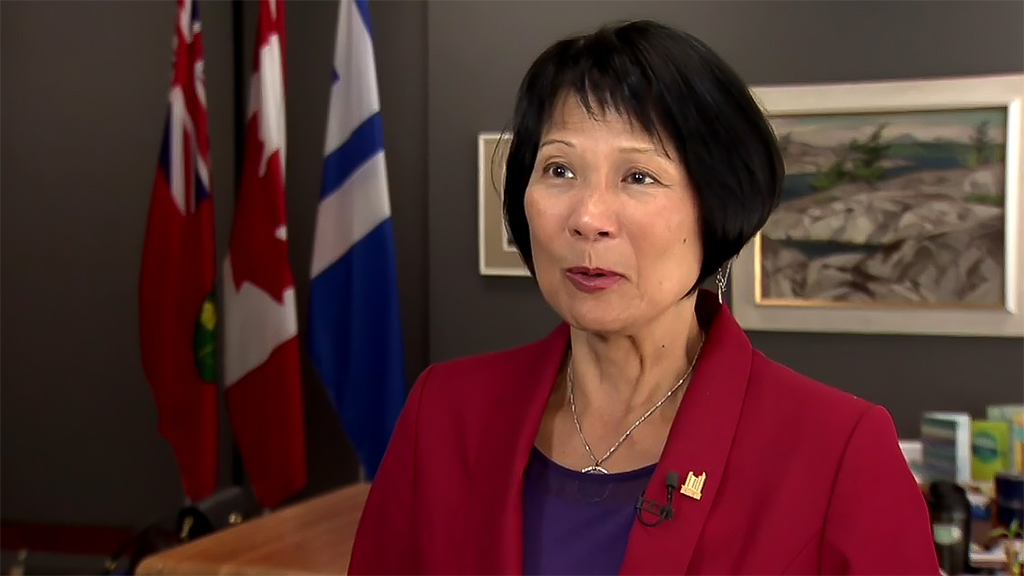
Toronto Mayor Olivia Chow's motion for a voluntary recognition agreement with LIUNA Local 183 has sparked contrasting reactions from labor groups and industry associations, highlighting a significant shift in labor relations within the city’s construction sector.
In a significant development for labor relations in Toronto, Mayor Olivia Chow has put forth a motion to establish a voluntary recognition agreement with LIUNA Local 183, aimed at extending union representation beyond the Industrial, Commercial, and Institutional (ICI) sector. This decision has elicited strong reactions from various stakeholders within the construction industry.LIUNA Local 183 has welcomed the motion, characterizing it as a "historic step for unionized construction workers across the city." The union's business manager, Jack Oliveira, expressed that the agreement would enhance fair wages, benefits, pensions, and provide workers with a "real voice at work." The union argues that this move is a stride towards creating a more equitable system that broadens access to union representation and workplace protections for workers in Toronto.
Conversely, the Progressive Contractors Association of Canada (PCA) has vehemently opposed the motion, urging the Toronto City Council to reconsider its position. The PCA contends that the agreement would grant LIUNA exclusive bargaining rights across various sectors including residential construction, heavy construction, road work, as well as sewer and watermain projects. Furthermore, they argue that the motion would also give exclusive access to residential work directly tendered by the City of Toronto to eight other unions in addition to LIUNA.
The PCA has raised concerns about the process leading to this decision, claiming that it was advanced without adequate staff input, analysis, or public debate. Karen Renkema, the PCA's Vice President for Ontario, criticized the council for not allowing proper discourse on such a significant labor procurement decision, which she believes should have been debated openly and transparently.
Renkema emphasized that Toronto is currently grappling with substantial affordability and infrastructure challenges, advocating for a procurement approach that fosters competition rather than restricting it through political maneuvering.
This recent motion follows a precedent set in 2019, when the City of Toronto made a similar recognition decision for the ICI sector, which subsequently led to legal challenges on grounds of breaching fair and transparent procurement policies. The PCA has indicated that the current motion was introduced as part of discussions regarding development charge rebates, an area they argue should be separate from labor and procurement issues.
The implications of this motion could reshape the landscape of construction labor relations in Toronto, potentially affecting the competitive dynamics of the market. As stakeholders continue to express their contrasting views, the city faces the challenge of balancing labor rights with the need for competitive procurement practices that benefit taxpayers and the broader community.
As the situation unfolds, it remains to be seen how this agreement will impact the construction sector in Toronto and whether it will lead to further discussions or legal actions similar to those seen after the 2019 decision.
🏷️
LIUNA Local 183
Toronto City Council
labor relations
union agreement
heavy construction
Progressive Contractors Association
procurement policies
Olivia Chow
residential construction
Construction Sector
← Previous Post
Completion of Tsi Thonwatíhsnye Long-Term Care Home Marks New Chapter for Tyendinaga Mohawk Territory4 months ago
Next Article →
Felicia Wiltshire Appointed as First Female President and CEO of Manitoba Heavy Construction Association4 months ago