University of Toronto Integrates AI into Construction Management Curriculum
📅 2 months ago
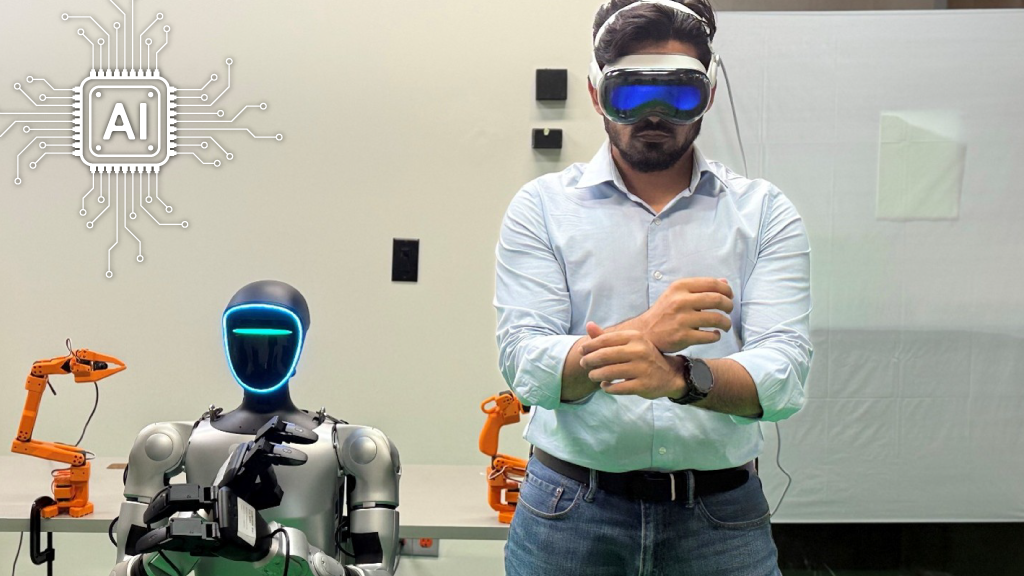
The University of Toronto is pioneering a master's program in engineering that emphasizes the integration of AI technologies in construction management, aiming to equip students with essential skills for the evolving industry.
In a significant evolution within the educational landscape, Canadian universities and colleges are adapting their programs to incorporate artificial intelligence (AI), with the University of Toronto (U of T) leading the charge through its master’s of engineering program featuring a specialized stream in construction management. Daeho Kim, an instructor in the engineering program, emphasizes that through various courses, students gain practical experience in digital twinning, building information modeling (BIM), and robotics, while also delving into the transformative potential of AI in the construction sector. This two-year graduate degree may be unique in Canada for its focus on AI applications tailored for construction management, but Kim predicts that this trend will soon expand across other institutions.Kim advocates for the necessity of AI education for future construction managers, highlighting that automation and digitization are becoming integral forces reshaping the industry. In his classes, students interact with humanoid and animal robots, and they utilize a motion capture suit to perform construction tasks. The data gathered from these movements can be employed to train humanoid robots through a method known as “imitation learning.” According to Kim, this suit holds significant promise for research in AI and robotics.
Moreover, AI's role in enhancing safety on construction sites is another focus area for Kim and his team, who have developed a course aimed at identifying issues within safety culture and assessing solutions via robotics and other AI technologies. A noteworthy project underway is a motion-retargeting system that integrates Rokoko’s full-body motion-capture technology with the Unitree G1 humanoid robot.
Students enrolled in the construction management program benefit from direct exposure to cutting-edge technologies, materials, and installation techniques through site visits on the university’s campus. Additionally, Kim organizes a lecture series featuring industry professionals who share insights on AI applications within the construction sector. A pivotal aspect of the program is its real-world applicability: the curriculum is built around practical construction challenges, developing coursework that focuses on solutions through AI, robotics, and digital technologies.
Historically, the construction industry has been slow to embrace change and new technologies, largely due to the high costs associated with such transformations, particularly when considering the unpredictable expenses tied to project management. Kim points out that one of the foremost challenges for construction managers is accurately forecasting schedule or production overruns. He expresses hope that AI could eventually assist in this area. While AI has shown effectiveness in other sectors, such as manufacturing, Kim notes that the dynamic nature of construction sites presents unique challenges for the implementation of automation, digitization, and robotic technologies.
For example, the variability in delivery schedules and the inconsistent flow of construction work, coupled with the need for collaboration between robots and human workers, complicate matters. Despite these challenges, Kim is optimistic about AI's future role in construction. He envisions a time when sufficient training data will be available to enable AI to recognize patterns that explain project delays and their extent, thus facilitating the training of AI systems. While the technology itself is not lacking, Kim emphasizes a current deficit in data.
As AI continues to progress, he indicates that the curriculum for the graduate program will adapt accordingly. Currently, Kim is one of only two faculty members teaching construction management courses, but he anticipates that staffing may increase as the industry increasingly adopts AI technologies. The master’s program is experiencing rapid growth, particularly in the area of construction management, which is garnering heightened interest.
🏷️
BIM
construction safety
AI in Construction
University of Toronto
digital twinning
construction management
engineering education
automation
robotics
higher education
← Previous Post
NDP Calls for Investigation into Government's Clean Energy Advertising for Potential Greenwashing2 months ago
Next Article →
Groundbreaking Ceremony Marks the Start of Oshawa's The Foundry District Development2 months ago