
Whale Sanctuary Project Secures 20-Year Lease for Nova Scotia Refuge
📅 2 months ago
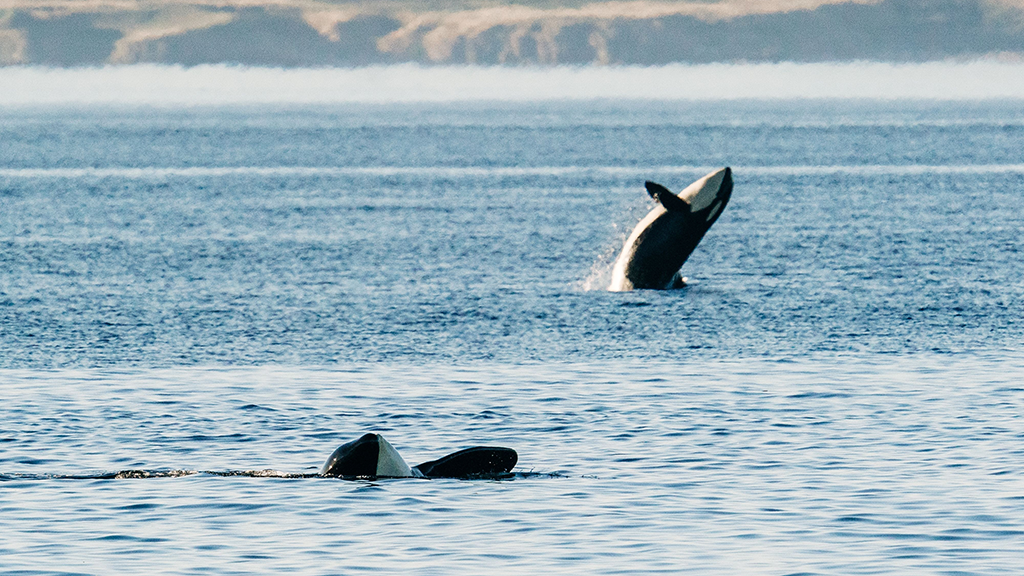
The Whale Sanctuary Project has signed a 20-year lease for Crown land in Nova Scotia to establish a refuge for retired whales, marking a significant step forward in its mission.
In a significant development for marine conservation, the Whale Sanctuary Project, a U.S.-based non-profit organization, has secured a 20-year lease for Crown property located on Nova Scotia's eastern shore. This lease, covering 83 hectares of land and adjacent coastal waters, was finalized near the small community of Wine Harbour, situated approximately three hours east of Halifax. The approval for this lease was granted by Premier Tim Houston’s cabinet in October; however, the project faced scrutiny from critics who noted that the lease agreement had not yet been signed at that time.The Whale Sanctuary Project aims to create a seaside refuge for whales that have been retired from marine parks, and a groundbreaking ceremony was held in June to mark the commencement of the project. Initial work has begun on refurbishing a wharf which will serve as a crucial component for the sanctuary's whale-care facilities. This wharf will also act as a staging area for the installation of a massive floating enclosure that is projected to span an area equivalent to 50 football fields.
Charles Vinick, the CEO of the Whale Sanctuary Project, originally announced plans for a 40-hectare saltwater pen over six years ago, emphasizing that this initiative would represent the first of its kind in North America. "This is a landmark moment, not only for the Whale Sanctuary Project, but for everyone who believes there can be a better future for whales living in captivity," Vinick stated. He expressed that the lease provides the certainty the organization has sought for years, allowing them to confidently progress into the next construction phase and demonstrate that sanctuaries are a viable reality.
Organizers previously indicated that the enclosure would be large enough to accommodate eight to ten beluga whales and two to three orcas in a separate area, but more recent estimates suggest that it could hold up to ten orcas or belugas. The whales will not be returned to the wild due to their lack of survival skills. Lori Marino, the president and founder of the Whale Sanctuary Project, remarked that the signing of the lease signifies an increasing acknowledgment that whales who have lived in captivity deserve a fundamentally different existence.
Installation of the net enclosure is anticipated to start in the upcoming spring. Nonetheless, some local landowners in Wine Harbour have voiced their opposition to the project, claiming they were misled by Houston’s government regarding the necessity of unanimous consent from all adjacent property owners before the project could receive approval. Despite these concerns, Houston defended the decision to grant the lease, citing broad support for the initiative and the challenges of achieving consensus.
Tracy Burns-Gagnon, a local resident with family property adjacent to the proposed sanctuary site, expressed fears that her family would lose access to the ocean should the project proceed. In response, Vinick acknowledged the local criticisms, stating that the project team has made adjustments to address concerns about increased traffic and the potential influx of ecotourists.
The Whale Sanctuary Project still requires additional permits from the federal Fisheries Department, along with substantial fundraising efforts to meet the estimated $15 million construction cost and $1.5 million in annual operational expenses. Notably, the organizers have clarified that they are not seeking any government funding for the project.
🏷️
Nova Scotia
marine conservation
whale care facilities
whale sanctuary
Crown land
non-profit organization
construction project
floating enclosure
ecotourism
environmental sustainability
← Previous Post
Las Vegas Stadium Authority Moves Toward Approving $158 Million Upgrade for Allegiant Stadium's North Entrance2 months ago
Next Article →
Innovative Approaches Drive $63.7 Million Rehabilitation of Four Toronto Bridges2 months ago