Inquiry Recommendations Address Mismanagement in Winnipeg Police Headquarters Renovations
📅 3 days ago
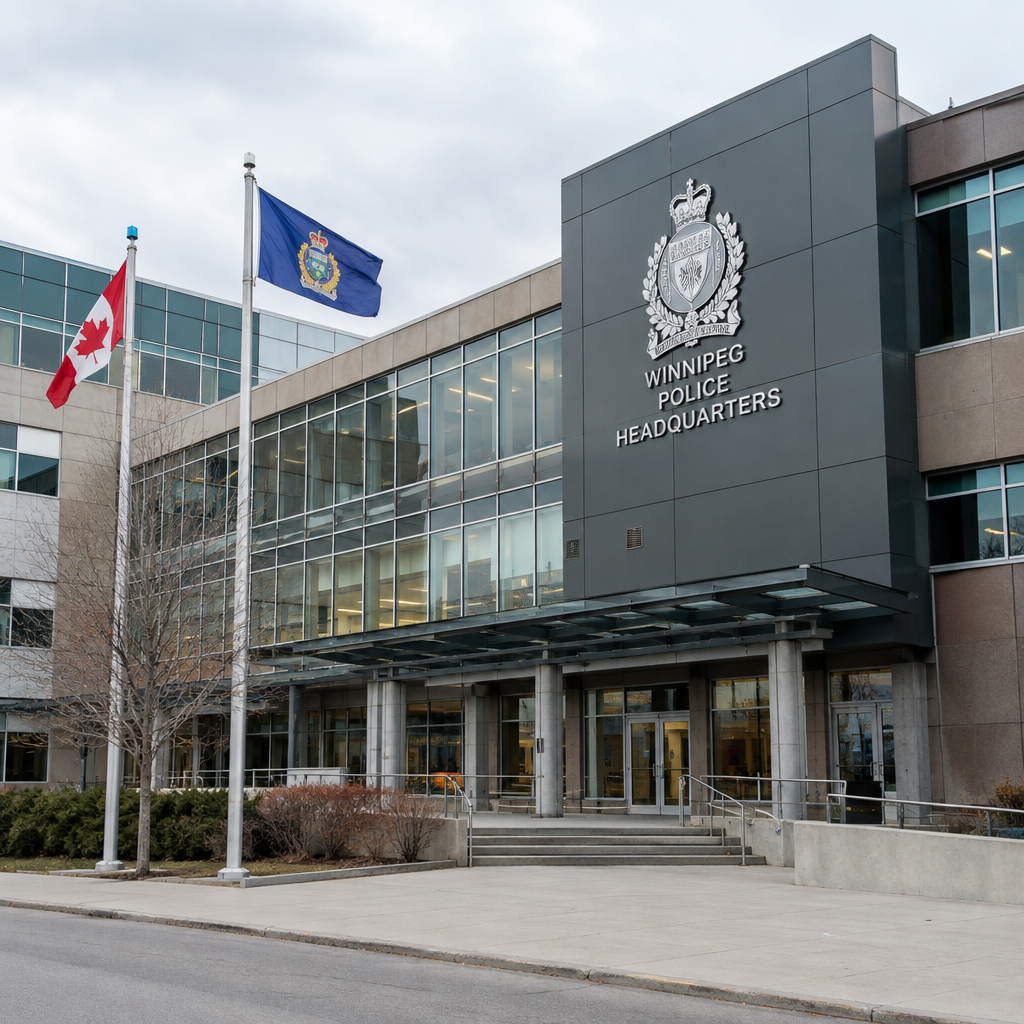
The inquiry into the Winnipeg police headquarters renovations has led to a series of recommendations aimed at preventing future mismanagement, following the project's costs ballooning to $214 million, nearly double the original budget.
The inquiry into the renovations of the Winnipeg police headquarters has culminated in a set of recommendations aimed at addressing the significant mismanagement that led to project costs escalating to $214 million—almost double the initial budget. This comprehensive report, resulting from a 20-month investigation, sheds light on serious issues including falsified financial documents, inflated billing claims, and conflicts of interest involving the contractor, Caspian Construction, which has been found to have overcharged the city by more than $40 million.During the final hearings, it was disclosed by a lawyer that Caspian Construction had fulfilled its commitment by paying $28 million as part of a legal settlement with the city in 2023. The Winnipeg Construction Association (WCA) has publicly condemned the misconduct outlined by inquiry commissioner Garth Smorang, emphasizing the need for integrity within the construction industry. WCA president Darryl Harrison stated, "There is no place for the conduct described in the report in our industry," reaffirming the commitment of honest construction professionals.
Commissioner Smorang’s recommendations include increased transparency from the Manitoba Prosecutions Service (MPS), particularly regarding the sharing of information with the public during investigations and decisions on prosecutions. Notably, the inquiry's findings trace back to a 2014 RCMP investigation into Caspian Construction, which involved the seizure of numerous documents as part of a five-year probe. However, in 2019, the MPS concluded that there was insufficient evidence for criminal charges, prompting the city to request a formal inquiry into the contractor's dealings.
The final report, titled "A Sad Tale of Mismanagement, Misconduct and Mismanagement," outlines 25 recommendations aimed at restoring public confidence in the management of large capital projects. Among these, Smorang emphasized the necessity for enhanced oversight, ensuring that city officials declare any conflicts of interest, and improving the transparency of financial documentation. The origins of this situation can be traced back to the 2009 acquisition of a former Canada Post building intended to replace the existing police headquarters, which required extensive renovations.
The inquiry's findings have also led to two civil actions related to the project, one concerning construction deficiencies in 2018 and another regarding civil fraud in 2020. One of the key recommendations from Smorang's report is that legal professionals should draft the Request for Proposals (RFP) documents, with a focus on retendering for significant amendments and using the RFP process to assess contractor qualifications.
Furthermore, Smorang underscored the importance of proper resource allocation for large projects, noting that inadequate resources significantly impacted both contractors and city staff involved. The WCA has advocated for better resource management and real-time communication regarding cost implications, schedule adjustments, quality issues, and evolving risks throughout the project lifecycle.
The report also highlights the necessity for the city to engage with the construction industry to understand how future projects could be influenced by concurrent ones, thereby mitigating resource conflicts. Recommendations include conducting market assessments to gauge capacity, identify procurement risks, and gather contractor feedback on various delivery models.
Additionally, Smorang has urged that all substantial projects employ a quantity surveyor to oversee the payment process, ensuring that invoices from subcontractors detail the work completed. The WCA supports this transparent approach, asserting that had such a system been in place, the fraudulent invoices submitted by Caspian would have been swiftly identified.
Lastly, the report calls on the Manitoba government to consider mandating Building Information Modeling (BIM) for large municipal projects and to prioritize contractors utilizing this technology in their proposals. The WCA recognizes the increasing significance of BIM in major projects and advocates for its wider adoption across the industry. The full set of recommendations and the inquiry's detailed analysis can be accessed in the official report titled "Winnipeg Police Service Headquarters Inquiry Final Report."
🏷️
public sector
BIM
building renovations
construction management
Winnipeg
Infrastructure
Caspian Construction
financial oversight
project mismanagement
WCA
Next Article →
Egis and Arcadis Chosen to Engineer Montréal's Contrecœur Container Terminal Development3 days ago