
Bank of Canada Maintains Overnight Rate Amid Mixed Economic Signals
📅 2 months ago
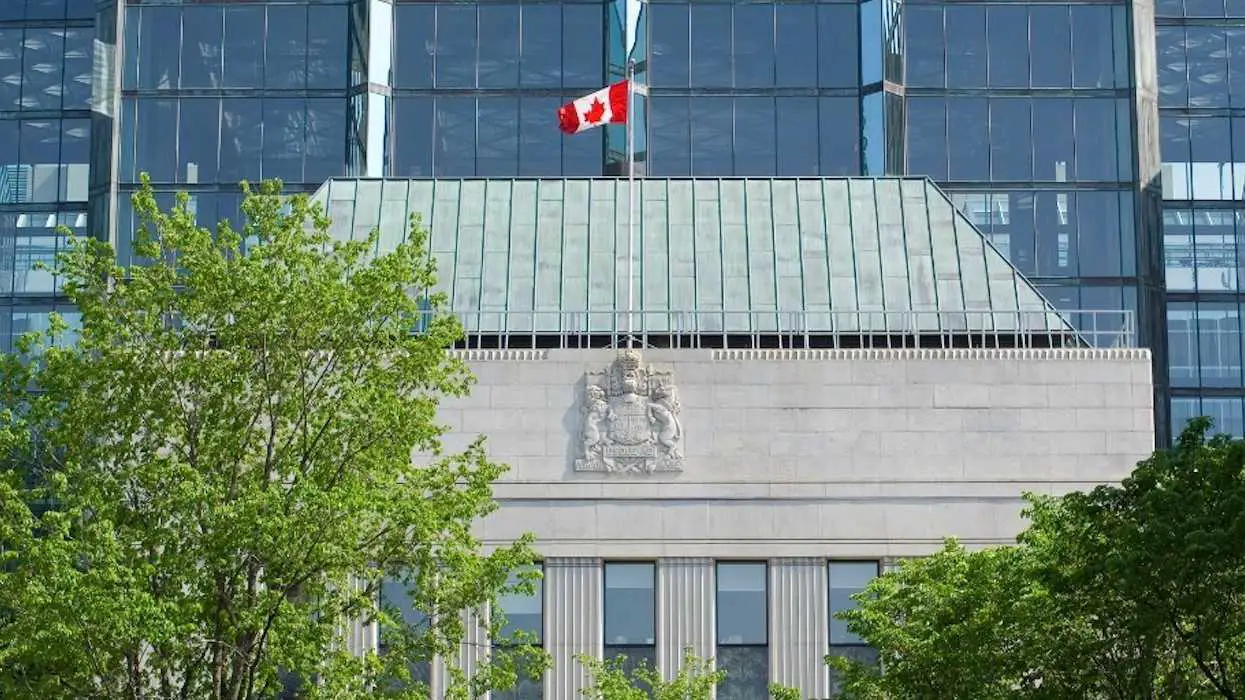
The Bank of Canada has opted to keep its target overnight rate steady at 2.25%, reflecting a complex economic landscape with signs of growth in housing and GDP but persistent inflation concerns.
On September 2, the Bank of Canada announced its decision to maintain the target for the overnight interest rate at 2.25%. This decision keeps the Bank Rate at 2.5% and the deposit rate at 2.20%. The Governing Council noted that the economic and inflation trends are largely in line with the forecasts made in July. However, the context has shifted significantly: long-term bond yields have increased both globally and within Canada, financial conditions have tightened, and the Canadian dollar has experienced a slight appreciation against a weaker US dollar.In a positive turn for the housing sector, the Bank reported its best performance in several months. The Gross Domestic Product (GDP) grew by 3.3% in the second quarter, with a rebound in housing activity contributing to this growth following several lackluster quarters. The Bank also highlighted robust consumption gains and a significant increase in exports and business investment as additional factors driving the economic expansion.
The labor market has shown signs of improvement, with unemployment rates dropping to 6.4% in July. Nonetheless, the Bank cautioned that demand for labor remains subdued, as evidenced by an excess supply of workers still reflected in the statistics.
Inflation presents a more complex picture. The Consumer Price Index (CPI) has remained around 3%, primarily influenced by persistently high gasoline prices. Excluding gasoline, inflation was reported at 2.2% in July, with core inflation measures hovering near the 2% mark. The Bank has noted increased risks to the inflation outlook, particularly due to ongoing conflicts in the Middle East and the stalled reopening of the Strait of Hormuz. These factors could sustain elevated oil prices and refinery margins, potentially leading to higher costs for a broader range of goods and services.
Additionally, the introduction of new tariffs by the United States and corresponding counter-tariffs from Canada are also concerns, as the Bank indicated these could gradually impact consumer prices.
Looking ahead, the Governing Council linked its next policy decision to two critical factors: the sustainability of the recent economic rebound and the trajectory of inflation following the impacts of tariffs and oil prices. The next rate decision is set for October 28, and a full schedule for 2026 can be accessed through the Bank's official communications.
🏷️
economic outlook
GDP growth
unemployment
Bank of Canada
oil prices
Construction Sector
inflation
tariffs
interest rates
housing market
← Previous Post
Coke Canada Bottling and Broccolini Commence Major Expansion of Brampton Facility2 months ago
Next Article →
Yonge North Subway Extension RFP Stage Concludes with Multiple Bids Submitted2 months ago
Related Posts