
Bridgit's AI Journey: Building a Robust Technical Stack for Future Innovation
📅 5 months ago
🏷️ Bridgit
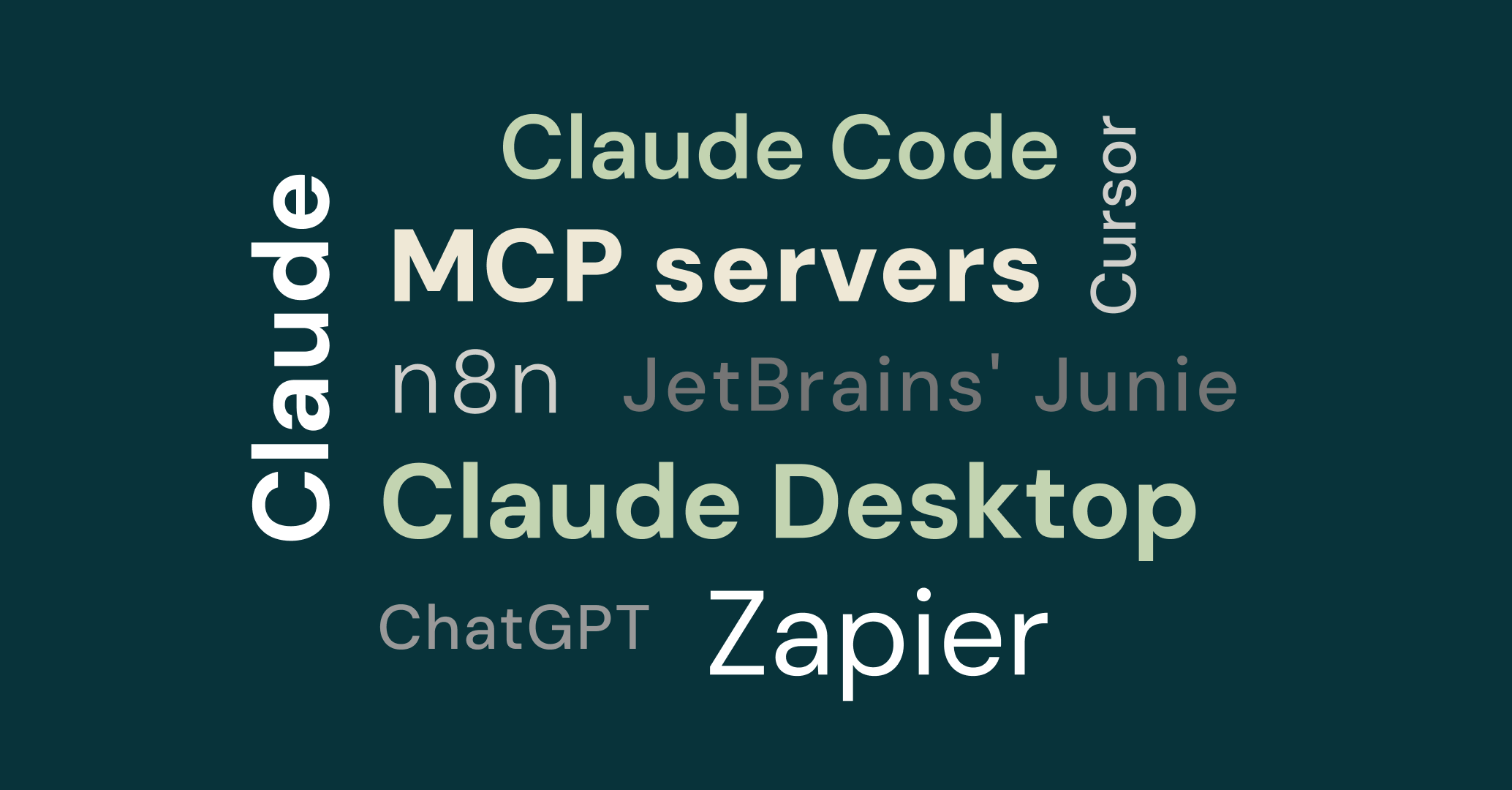
Bridgit's Chief Technology Officer shares insights into the company's strategic approach to integrating AI, focusing on building a learning culture and an AI-enabled technical stack.
In recent months, Bridgit AI has been actively used by customers, and the company is dedicated to enhancing its capabilities to deliver even greater value. Bridgit’s Chief Technology Officer, Vincent Seguin, emphasizes the importance of transparency in sharing the company’s strategic approach to adopting artificial intelligence. Previously, he discussed fostering a culture of AI curiosity through internal hackathons that stimulate creativity and inspire new ideas. This article aims to provide a deeper understanding of Bridgit's AI-enabled technical stack and how the organization is committed to collective learning amidst the rapid evolution of AI technology.Bridgit’s AI journey commenced with the utilization of GitHub Copilot, which served as a foundational tool for their engineering teams. However, the arrival of 2025 marked a significant increase in the availability of AI-assisted coding tools, prompting Bridgit to confront the challenge of balancing budgetary constraints with the need for team experimentation. Bridgit has adopted a philosophy that leans towards experimentation while implementing lightweight guardrails to monitor expenditures and ensure security through proper logging of tools.
As the year progressed, tools such as Cursor and JetBrains’ Junie gained traction among the team. By mid-year, Claude Code emerged as a formidable option, reflecting industry trends. With growing usage, Bridgit established standards to enhance the consistency and effectiveness of AI tools across the team. The introduction of AGENTS.md rules into frequently used repositories, along with a shared configuration for common MCP servers, aimed to streamline operations. The team also created LLM-friendly markdown files for common tasks, striving to provide reliable and high-quality outcomes without requiring team members to start from scratch.
Bridgit has also explored ambitious projects with its product team, utilizing Claude Code to develop features directly from comprehensive specifications. Early results have been promising, leading to discussions on rethinking parts of the development workflow. The company recognizes AI fluency as a crucial component of engineering roles, which is why it has been integrated into performance review criteria under the broader concept of a “Growth Mindset.” This emphasis encourages team members to invest time in enhancing their skills and exploring innovative approaches, irrespective of the tools at their disposal.
A core principle guiding Bridgit's strategy is the belief that learning should not be solely an individual endeavor; rather, it must be an organizational responsibility. To facilitate this, the engineering team has created dedicated Slack channels for sharing insights and posing questions. Monthly developer demos have become a highlight, fostering knowledge-sharing and inspiration around the accomplishments achieved with new AI tools.
For the wider organization, Bridgit has adopted a similar strategy, establishing company-wide channels focused on AI learning. Quarterly kickoffs and all-hands meetings have featured demos and discussions, ranging from basic AI terminology to forward-looking explorations of technology's trajectory. A company-wide survey was conducted to assess employees' comfort levels with AI and identify their learning interests, allowing the organization to tailor training to meet actual needs.
On the tooling side, Bridgit initially trialed ChatGPT but quickly shifted focus to Anthropic’s Claude, which seemed more aligned with organizational requirements due to its integration capabilities. The company has since made Enterprise plans accessible to employees and enabled features such as Claude Desktop. Additionally, Zapier's automation tools have been reintroduced with AI features activated, empowering team members to create their own automations, thereby promoting AI fluency across the organization.
Looking ahead, Bridgit is focusing on enhancing the security and usability of MCP servers, which many developers currently utilize locally with a shared configuration. The goal is to improve visibility and control over these systems. The team is also examining ways to connect Claude to more tools within their stack that lack official MCP integrations. Furthermore, Bridgit is preparing to explore AI agents, learning how to build them effectively for production environments. While the future remains uncertain, Bridgit is confident that the learning infrastructure they have established will enable them to adapt to ongoing changes in the AI landscape. As AI continues to evolve rapidly, Bridgit is eager to advance alongside it, offering insights that may inspire other organizations navigating similar challenges.
🏷️
software tools
construction technology
automation
project management
engineering
Claude Code
cost consulting
Zapier
AI technology
learning culture
Related Posts