
Canada Prepares to Announce Retaliatory Tariffs Against U.S. Trade Measures
📅 2 months ago
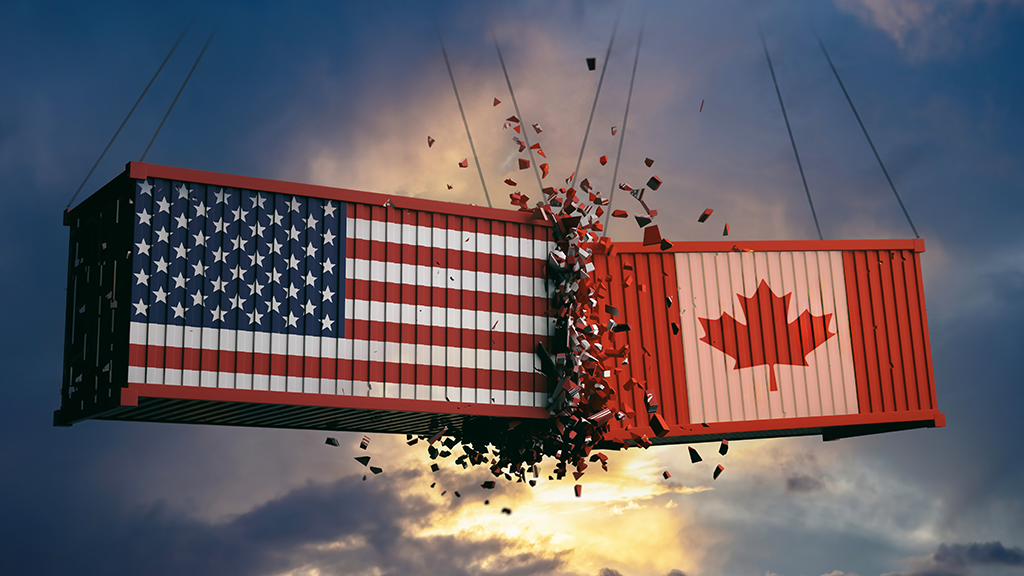
The Canadian federal government is poised to release details regarding its retaliatory tariffs against the United States on Tuesday. Key figures in the government, including Finance Minister François-Philippe Champagne, Industry Minister Mélanie Joly, Jobs Minister Patty Hajdu, and Artificial Intelligence Minister Evan Solomon, are expected to outline measures to support workers impacted by these tariffs. Solomon, who oversees the Federal Economic Development Agency for Southern Ontario, is particularly focused on the economic repercussions in border communities affected by the ongoing trade conflict.
Prime Minister Mark Carney announced on Saturday that Canada would implement dollar-for-dollar tariffs starting September 8, indicating that discussions are still underway regarding the specifics of Canada’s response. Notably, Carney will not be present at the announcement, as his schedule indicates he will not attend public events on that day. The Prime Minister had previously suspended trade negotiations with the U.S., accusing American officials of introducing last-minute demands that threaten Canadian sovereignty and the nation’s ability to engage in trade agreements with other countries.
On Saturday, the U.S. imposed a new round of tariffs amounting to 50 percent on Canadian exports, targeting goods valued at approximately $28 billion. Carney emphasized that Canada would re-engage in negotiations once the U.S. demonstrates a willingness to treat Canada as an equal partner rather than a subordinate entity. He expressed his concerns about the U.S. negotiating stance, which he believes disadvantages Canadian industries.
During a news conference in Lévis, Quebec, Carney highlighted an $11 billion contract awarded for the construction of six new icebreakers for the Canadian Coast Guard, which will be built using Canadian steel. He stated, "When the Americans go to the negotiation table first, with the right attitude toward our industries and a true partnership, of course we’ll come to the negotiating table."
The escalating trade tensions were further fueled by U.S. President Donald Trump, who threatened via social media to increase tariffs on all Canadian vehicles, auto parts, and steel to 50 percent starting January 1. Trump also issued warnings regarding Canadian energy supplies flowing through the U.S., claiming that Canada is reliant on the U.S. for its energy imports. He reiterated his belief that Canada has been taking advantage of the U.S. in trade relations.
Despite Trump's assertions, Canadian exports to the U.S. have been gradually declining, dropping from 72 percent of total exports in 2025 to 68 percent in the first half of 2026, as Canada seeks to diversify its trading partnerships. This shift suggests a strategic pivot in Canadian trade policy away from reliance on the U.S.
In a related development, Ontario Premier Doug Ford expressed defiance towards Trump's threats, stating that the U.S. president could "kiss my ass" and suggesting that Ontario leverage its energy resources in negotiations. The newly threatened tariffs, while not officially enacted, could have significant implications for numerous small businesses across Canada, including honey producers and hockey stick manufacturers.
Carney’s suspension of trade talks comes after an earlier claim by Trump that a deal had been reached to pause tariffs pending documentation. Following the breakdown of negotiations, Canadian opposition leaders have urged Carney to disclose more information about the failed agreement. Conservative Leader Pierre Poilievre has called for Parliament to reconvene to clarify the situation, while Bloc Québécois Leader Yves-François Blanchet suggested retaliatory measures, including halting F-35 purchases from the U.S. and reinstating a digital services tax on large tech companies.
As Canada braces for the impact of these tariffs, the government is grappling with the broader implications for its economy and trade relationships, marking a critical moment in Canada-U.S. relations amidst rising tensions in the trade landscape.
Prime Minister Mark Carney announced on Saturday that Canada would implement dollar-for-dollar tariffs starting September 8, indicating that discussions are still underway regarding the specifics of Canada’s response. Notably, Carney will not be present at the announcement, as his schedule indicates he will not attend public events on that day. The Prime Minister had previously suspended trade negotiations with the U.S., accusing American officials of introducing last-minute demands that threaten Canadian sovereignty and the nation’s ability to engage in trade agreements with other countries.
On Saturday, the U.S. imposed a new round of tariffs amounting to 50 percent on Canadian exports, targeting goods valued at approximately $28 billion. Carney emphasized that Canada would re-engage in negotiations once the U.S. demonstrates a willingness to treat Canada as an equal partner rather than a subordinate entity. He expressed his concerns about the U.S. negotiating stance, which he believes disadvantages Canadian industries.
During a news conference in Lévis, Quebec, Carney highlighted an $11 billion contract awarded for the construction of six new icebreakers for the Canadian Coast Guard, which will be built using Canadian steel. He stated, "When the Americans go to the negotiation table first, with the right attitude toward our industries and a true partnership, of course we’ll come to the negotiating table."
The escalating trade tensions were further fueled by U.S. President Donald Trump, who threatened via social media to increase tariffs on all Canadian vehicles, auto parts, and steel to 50 percent starting January 1. Trump also issued warnings regarding Canadian energy supplies flowing through the U.S., claiming that Canada is reliant on the U.S. for its energy imports. He reiterated his belief that Canada has been taking advantage of the U.S. in trade relations.
Despite Trump's assertions, Canadian exports to the U.S. have been gradually declining, dropping from 72 percent of total exports in 2025 to 68 percent in the first half of 2026, as Canada seeks to diversify its trading partnerships. This shift suggests a strategic pivot in Canadian trade policy away from reliance on the U.S.
In a related development, Ontario Premier Doug Ford expressed defiance towards Trump's threats, stating that the U.S. president could "kiss my ass" and suggesting that Ontario leverage its energy resources in negotiations. The newly threatened tariffs, while not officially enacted, could have significant implications for numerous small businesses across Canada, including honey producers and hockey stick manufacturers.
Carney’s suspension of trade talks comes after an earlier claim by Trump that a deal had been reached to pause tariffs pending documentation. Following the breakdown of negotiations, Canadian opposition leaders have urged Carney to disclose more information about the failed agreement. Conservative Leader Pierre Poilievre has called for Parliament to reconvene to clarify the situation, while Bloc Québécois Leader Yves-François Blanchet suggested retaliatory measures, including halting F-35 purchases from the U.S. and reinstating a digital services tax on large tech companies.
As Canada braces for the impact of these tariffs, the government is grappling with the broader implications for its economy and trade relationships, marking a critical moment in Canada-U.S. relations amidst rising tensions in the trade landscape.
🏷️
Construction
steel
energy
automotive parts
United States
negotiations
economic policy
Canadian Coast Guard
trade tariffs
Canada