
Canadian Shippers Face Delays as Tariffs on Exports Increase Costs
📅 2 months ago
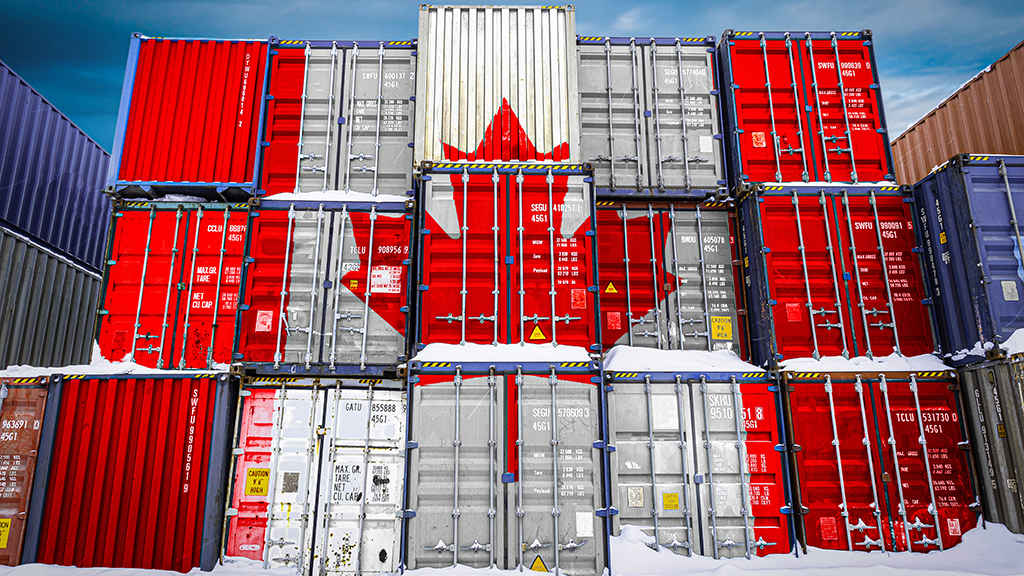
Canadian shippers are delaying shipments as new tariffs on exports complicate logistics and cash flow.
OTTAWA — In response to the recent imposition of significant tariffs, Canadian shippers are beginning to withhold merchandise and alter delivery schedules as they scramble to gather the necessary funds to transport their goods across the border. Manufacturers and exporters who had anticipated shipping cargo to the United States without incurring fees are now facing challenges in securing the cash needed for these tariffs, resulting in transport delays, according to customs brokers. Over the weekend, U.S. President Donald Trump enacted a 50 percent tariff on approximately US$20 billion worth of Canadian products following the collapse of trade negotiations, impacting a wide range of sectors, including textiles, toiletries, tulips, and toys. Lisa McEwan, co-owner of Hemisphere Freight, a customs brokerage based in Toronto, reported that clients producing sweatshirts, metal coils, agricultural machinery, and other products have all postponed their shipments while they seek to manage the increased tariff costs. "I currently have six entries that I cannot submit until I receive payment," she stated. Customs brokers typically advance the funds for duties and taxes on behalf of importers, but with the new tariffs in place, many shippers are now under financial strain. McEwan noted that those who booked shipments prior to August 22 might still avoid the new levies, while others have a deadline of 10 business days to make payments to U.S. Customs and Border Protection before incurring late penalties. "I’ve been on the phone all morning with clients who are inquiring about the situation," McEwan added. "I’m uncertain how sustainable this is, as companies will experience significant cash flow challenges." Although the federal government has promised support measures for the industries affected, McEwan described these as a "Band-Aid solution" for many small businesses. Prime Minister Mark Carney has indicated that retaliatory tariffs will be implemented by September 8, accusing the U.S. of attempting to introduce last-minute provisions in a potential trade agreement that would limit Canada's ability to negotiate deals with other nations. On Monday, Trump escalated the trade conflict further by threatening to raise tariffs on all vehicles, auto parts, and steel imported from Canada to 50 percent starting January 1. This new threat is in addition to existing tariffs affecting the automotive and steel industries. "People are still reeling from the news and trying to comprehend the implications," commented John Corey, head of the Freight Management Association of Canada. He noted that a substantial amount of goods that are exchanged between the U.S. and Canada could be impacted. The tariffs that took effect recently only encompass about five percent of Canadian exports, yet they represent a significant financial burden for many manufacturers who cannot transfer these costs to their customers. The potential for an escalating trade war raises concerns about rising living costs and economic stagnation, particularly impacting small and medium-sized enterprises. Economist Tu Nguyen from RSM Canada suggested that businesses with reduced cash reserves will find it harder to diversify, and some may face closure despite government assistance. The ramifications of the tariffs could lead to job losses, diminished foreign investment, and increased inflation, particularly within the automotive, steel, and lumber sectors.
🏷️
economy
small business
Canada
trade war
export costs
transport delays
customs brokerage
U.S. trade policy
tariffs
manufacturing
← Previous Post
Canada Prepares to Announce Retaliatory Tariffs Against U.S. Trade Measures2 months ago
Next Article →
Major Road Upgrades Underway in Aroland First Nation for Ring of Fire Project2 months ago