U.S. Army Corps Approves Controversial Line 5 Tunnel Project Despite Environmental Concerns
📅 3 months ago

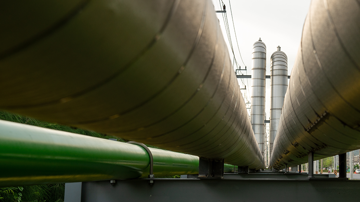
The U.S. Army Corps of Engineers has granted permission for the contentious Line 5 tunnel project located in the Straits of Mackinac, a significant development for the nearly decade-long proposal. This project aims to reroute a portion of the Line 5 petroleum pipeline, which currently runs through the open waters of the Straits, into a concrete tunnel beneath the lakebed. In its announcement, the Army Corps stated that the project is "not contrary to the public interest" and will not infringe upon tribal treaty rights. However, the Corps acknowledged that the project is expected to have adverse effects on endangered species and archaeological sites, contributing to "long-term impacts of habitat loss" and detrimental effects on land use.
While the federal approval represents a major milestone for the project, which has faced years of opposition, the timeline for actual construction remains uncertain. The Michigan Supreme Court has recently mandated state energy regulators to review a separate, essential permit for the project. Additionally, the proposal is currently mired in litigation at both state and federal levels, with promises of new lawsuits from opponents.
Enbridge Energy, the owner of Line 5, expressed satisfaction with the Army Corps' decision, claiming that the federal permit signifies the highest standard of environmental review required for major energy and infrastructure projects. Enbridge emphasized its commitment to safe operations, stating, "Line 5 is safe. Enbridge will continue operating Line 5 safely and responsibly, incorporating enhanced safety measures in the Straits, and protecting Michigan’s natural and cultural resources."
In stark contrast, a coalition of Native American tribes opposing the project condemned the decision. David Gover, Managing Attorney with the Native American Rights Fund, asserted that the federal government has a responsibility to uphold and protect treaty rights and safeguard American waters and sacred spaces. He criticized the Corps for approving what he termed a Canadian oil project that threatens sacred tribal lands and the integrity of the Great Lakes.
The Corps highlighted that the tunnel project could negatively impact Houghton’s goldenrod and dwarf lake iris, both of which are federally listed as threatened species. While mitigation efforts are anticipated, the Corps noted that it does not expect a significant reduction in the overall recovery or distribution of these species.
The project area holds considerable cultural and spiritual significance for the Anishinaabe tribal nations. The Corps indicated that there would be "major, permanent, adverse effects on historic properties, including archaeological sites," which tribal representatives argue cannot be adequately mitigated.
The Corps' decision aligns with the previous administration's objectives to bolster fossil fuel energy initiatives while curtailing renewable energy developments. Adam Telle, Assistant Secretary of the Army for Civil Works, stated that the approval reflects President Trump’s vision of achieving energy dominance for the nation by streamlining regulatory processes, thereby facilitating the advancement of such projects.
Critics like David Holtz, coalition coordinator for Oil & Water Don’t Mix, have expressed that the decision was influenced by a fabricated "national energy emergency" propagated by the Trump Administration. He pointed out that the review did not adequately consider the implications of not constructing the tunnel and the potential decommissioning of Line 5.
On July 15, Michigan’s departments of Natural Resources and Environment, Great Lakes and Energy issued two critical permits for the tunnel project, despite recognizing the potential disruption to Native American burial sites and threats to wetlands and rare species. Enbridge is also seeking permission to discharge millions of gallons of treated wastewater into Lake Michigan during the construction phase, with a ruling on that expected by September 30.
The situation remains complicated as the state of Michigan is currently engaged in a legal battle with Enbridge regarding Governor Whitmer’s 2020 order to shut down the existing pipeline due to concerns over a possible oil spill in the Straits. A federal judge previously ruled that Michigan lacked the authority to mandate such a shutdown, but the state is appealing that decision. In a separate matter, Michigan Attorney General Dana Nessel has been advocating for a shutdown since 2019, as the case continues to navigate through various courts.
While the federal approval represents a major milestone for the project, which has faced years of opposition, the timeline for actual construction remains uncertain. The Michigan Supreme Court has recently mandated state energy regulators to review a separate, essential permit for the project. Additionally, the proposal is currently mired in litigation at both state and federal levels, with promises of new lawsuits from opponents.
Enbridge Energy, the owner of Line 5, expressed satisfaction with the Army Corps' decision, claiming that the federal permit signifies the highest standard of environmental review required for major energy and infrastructure projects. Enbridge emphasized its commitment to safe operations, stating, "Line 5 is safe. Enbridge will continue operating Line 5 safely and responsibly, incorporating enhanced safety measures in the Straits, and protecting Michigan’s natural and cultural resources."
In stark contrast, a coalition of Native American tribes opposing the project condemned the decision. David Gover, Managing Attorney with the Native American Rights Fund, asserted that the federal government has a responsibility to uphold and protect treaty rights and safeguard American waters and sacred spaces. He criticized the Corps for approving what he termed a Canadian oil project that threatens sacred tribal lands and the integrity of the Great Lakes.
The Corps highlighted that the tunnel project could negatively impact Houghton’s goldenrod and dwarf lake iris, both of which are federally listed as threatened species. While mitigation efforts are anticipated, the Corps noted that it does not expect a significant reduction in the overall recovery or distribution of these species.
The project area holds considerable cultural and spiritual significance for the Anishinaabe tribal nations. The Corps indicated that there would be "major, permanent, adverse effects on historic properties, including archaeological sites," which tribal representatives argue cannot be adequately mitigated.
The Corps' decision aligns with the previous administration's objectives to bolster fossil fuel energy initiatives while curtailing renewable energy developments. Adam Telle, Assistant Secretary of the Army for Civil Works, stated that the approval reflects President Trump’s vision of achieving energy dominance for the nation by streamlining regulatory processes, thereby facilitating the advancement of such projects.
Critics like David Holtz, coalition coordinator for Oil & Water Don’t Mix, have expressed that the decision was influenced by a fabricated "national energy emergency" propagated by the Trump Administration. He pointed out that the review did not adequately consider the implications of not constructing the tunnel and the potential decommissioning of Line 5.
On July 15, Michigan’s departments of Natural Resources and Environment, Great Lakes and Energy issued two critical permits for the tunnel project, despite recognizing the potential disruption to Native American burial sites and threats to wetlands and rare species. Enbridge is also seeking permission to discharge millions of gallons of treated wastewater into Lake Michigan during the construction phase, with a ruling on that expected by September 30.
The situation remains complicated as the state of Michigan is currently engaged in a legal battle with Enbridge regarding Governor Whitmer’s 2020 order to shut down the existing pipeline due to concerns over a possible oil spill in the Straits. A federal judge previously ruled that Michigan lacked the authority to mandate such a shutdown, but the state is appealing that decision. In a separate matter, Michigan Attorney General Dana Nessel has been advocating for a shutdown since 2019, as the case continues to navigate through various courts.
🏷️
Straits of Mackinac
endangered species
Michigan
fossil fuels
Enbridge Energy
Tunnel Project
Native American Rights
Line 5
environmental impact
Infrastructure
← Previous Post
Winnipeg's Summer Construction Season Kicks Off with Major Infrastructure Projects3 months ago
Next Article →
Ford Remains Committed to Expanding Toronto’s Island Airport Despite Federal Opposition3 months ago