U.S. Congressman Calls for Review of Oil Spill Response Plans Amid Pipeline Concerns
📅 2 months ago
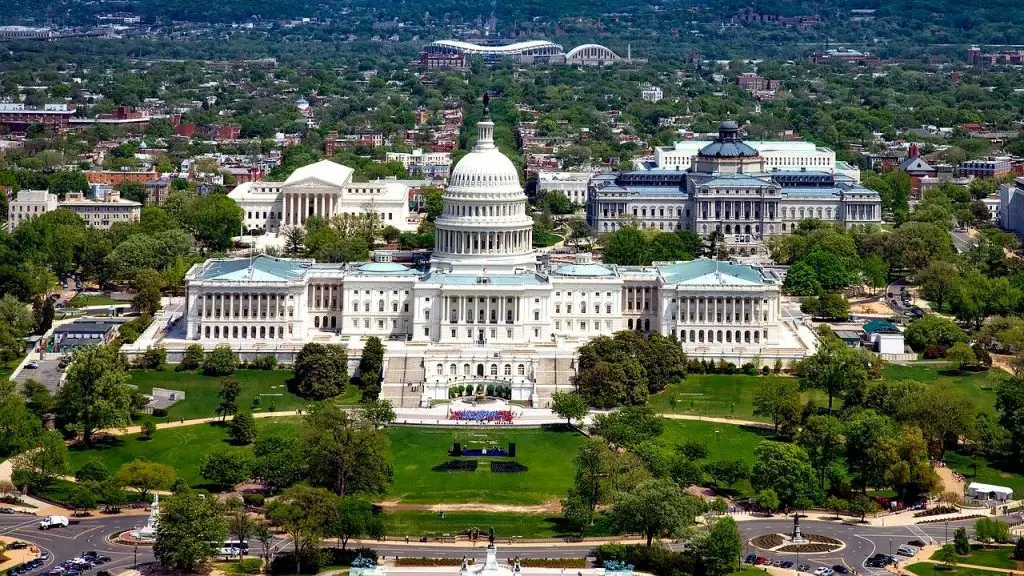
Rep. Rick Larsen urges the U.S. Coast Guard to update oil spill contingency plans in light of increased tanker traffic from a new Alberta-B.C. pipeline, emphasizing the environmental risks involved.
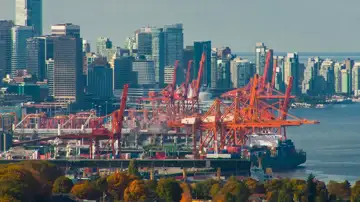
In a significant move concerning environmental safety, a U.S. congressman from Washington State is advocating for a review and update of the oil spill response plans of the U.S. Coast Guard. This call to action comes in response to the announcement of a new oil pipeline that will transport crude oil from Alberta, Canada, to the Roberts Bank terminal in British Columbia. This terminal is located just a few kilometers by water from the Canada-U.S. border, which raises concerns about the potential increase in oil tanker traffic in the Salish Sea.Rep. Rick Larsen, who serves as the top Democrat on the House Transportation and Infrastructure Committee, expressed his concerns in a letter addressed to a senior official within the U.S. Coast Guard. He emphasized the importance of having a robust contingency plan in place, especially given the heightened risk of catastrophic oil spills associated with the anticipated rise in tanker traffic.
Larsen pointed out that the joint contingency plan is crucial for coordinating efforts between Canada and the United States in preparing for oil spills that could adversely affect the marine ecosystems and environments in both nations. He is seeking detailed information from the Coast Guard regarding the existing coordination efforts and how they plan to address the increased risks stemming from the new pipeline.
The congressman has highlighted the opposition to the pipeline among his constituents, citing environmental concerns. He intends to communicate these sentiments to his Canadian counterparts, reinforcing the apprehensions surrounding the project and advocating for the necessary measures to protect the marine environment.
The discussions around the pipeline and its implications are particularly timely, as the potential for increased oil tanker traffic poses a significant threat to the delicate ecosystems of the Salish Sea. Larsen's proactive approach aims to ensure that both nations are adequately prepared to respond to any potential environmental disasters.
As the situation develops, the focus remains on how U.S. and Canadian officials will collaborate to enhance spill response strategies and mitigate the risks associated with increased oil transportation through these critical waters. The outcome of this dialogue could have lasting implications not only for environmental policy but also for the future of energy transportation in the region.
🏷️
contingency plans
pipeline construction
Salish Sea
Rick Larsen
U.S. Coast Guard
marine ecosystems
environmental safety
Alberta pipeline
oil spill response
oil tanker traffic
← Previous Post
Bird Construction Reports Progress on $1.7 Billion Bell AI Data Centre Project in Sherwood, Saskatchewan2 months ago