Augmenta Unveils ACP 2.0: A Game Changer for Electrical Contracting Teams
📅 4 months ago
🏷️ Augmenta
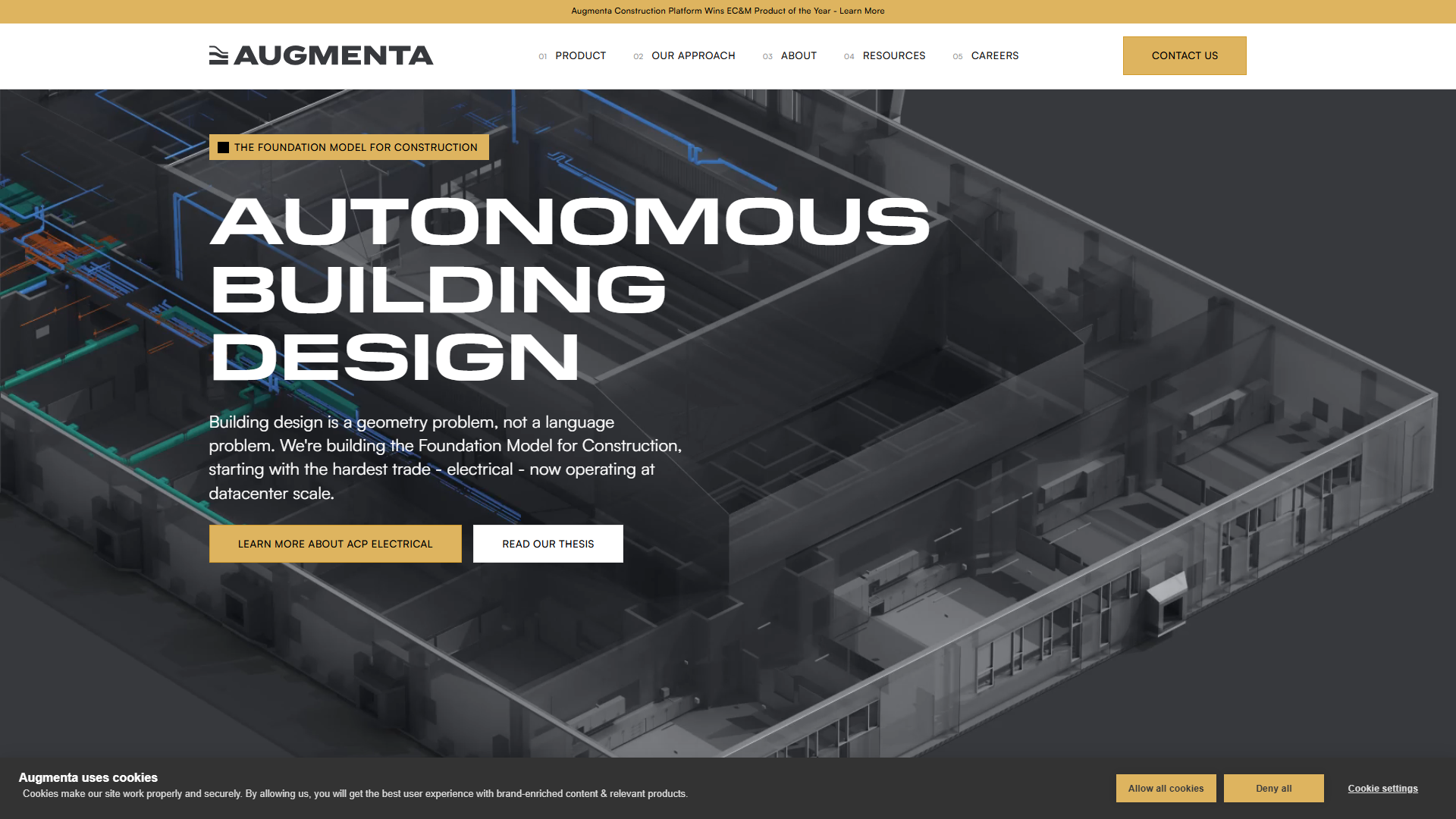
Augmenta has released ACP 2.0, enhancing the way electrical contracting teams coordinate and model projects, streamlining processes and enabling broader participation.
In an effort to address ongoing challenges faced by electrical contracting teams, Augmenta has introduced ACP 2.0, an upgraded version of its Augmenta Construction Platform (ACP). This launch comes after extensive feedback from contractors who expressed a need for a more efficient way to manage design changes during the coordination process. Aaron Szymanski, Augmenta's Chief Product Officer, highlighted that teams often found themselves reverting to traditional software like Revit and Navisworks for manual adjustments, which could significantly delay project timelines, particularly when design changes were introduced shortly before critical coordination meetings.Contractors reported that while the initial phase of using ACP was beneficial for quickly generating populated models, the real value lay in the ability to maintain and adapt these models throughout the entire coordination process. Szymanski noted that the feedback from early users has been overwhelmingly positive, with one Director of VDC describing the new release as a substantial leap forward. Another director shared that their team was so pleased they were 'wiping away tears of joy' upon experiencing the improvements.
One of the standout features of ACP 2.0 is its enhanced underground routing capabilities. This addition was driven by consistent requests from a diverse range of contractors, indicating a widespread need for more precise routing options that take into account real site conditions. The new version allows users to direct underground routes point-to-point, managing factors such as pitch and slope while navigating around existing structures like footings and plumbing.
Additionally, ACP 2.0 aims to democratize the BIM coordination process, which has traditionally been limited to a select group of specialists due to the complexities of software like Revit. With ACP operating in a browser environment, more team members, including foremen and project managers, can now contribute to the modeling process. This shift is anticipated to lead to better constructibility and fewer surprises on-site, as field teams can provide input earlier in the design phase.
Szymanski emphasized that Augmenta's mission is to augment human expertise rather than replace it. The AI within ACP handles the technical aspects of geometry and routing, while the human element contributes critical project knowledge. This collaboration enables teams to streamline their preconstruction processes effectively.
Central to the vision of ACP is not only improving efficiency but also empowering electrical contractors to take on additional projects. Customers view ACP as a long-term growth investment rather than a mere cost-cutting tool. By alleviating the manual modeling bottleneck, teams can manage more projects simultaneously, enhancing their influence during coordination meetings and reducing the need to concede to other trades.
The impact of ACP 2.0 on a contractor's business is profound, as the time saved from manual modeling can be redirected towards higher-value tasks such as plan reviews and resolving constructibility issues early on. Szymanski predicts that the role of VDC teams will evolve significantly over the next few years, with a broader scope of work that includes more upfront modeling to mitigate downstream risks and increased use of prefabrication.
Looking ahead, Szymanski outlined that ACP 2.0 is a crucial milestone in Augmenta's overarching goal of creating a unified design environment where all stages of the construction process are accessible to the entire team. The foundation laid by the first version of ACP in 2025, combined with the functionalities introduced in V2, sets the stage for further integration of workflows, ultimately bridging the gap between preconstruction and field operations. While the focus on electrical contracting serves as a starting point due to its inherent complexities, the technology developed is expected to extend seamlessly into mechanical and plumbing disciplines, moving towards a future of comprehensive building design automation.
🏷️
Augmenta
ACP 2.0
BIM Coordination
electrical contracting
construction technology
VDC teams
modeling
automation
project management
Underground Routing
← Previous Post
Augmenta Unveils ACP 2.0, Transforming Electrical Design Processes for Contractors4 months ago
Next Article →
Augmenta Unveils ACP 2.0: A Revolutionary Design Platform for Electrical Contractors4 months ago