
B.C. Government Extends Pause on New Mineral Rights Claims Until 2027
📅 5 months ago
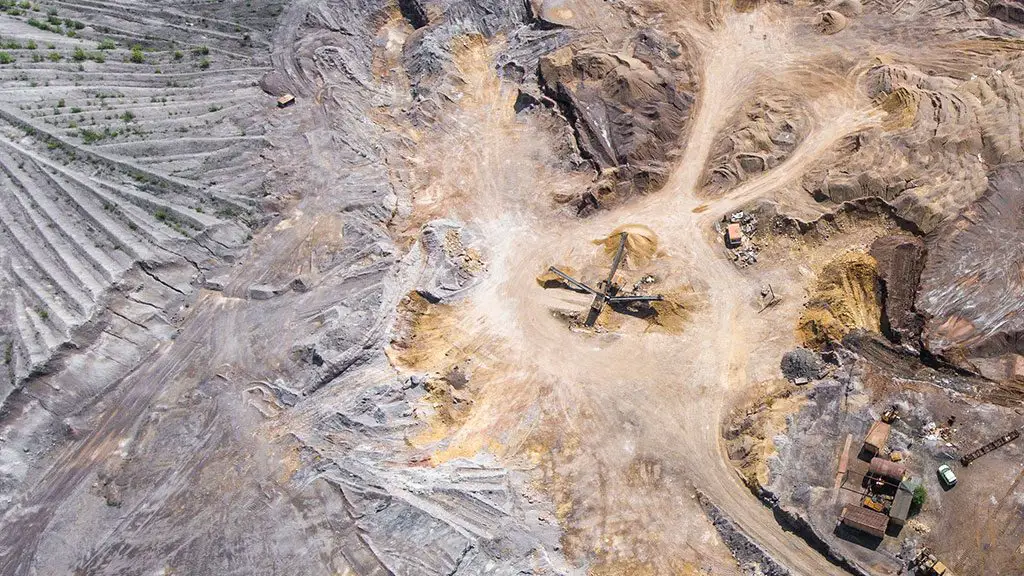
The British Columbia government has announced an extension to its pause on new mineral rights claim registrations in the northern regions until 2027, amidst ongoing land-use planning with First Nations.
The government of British Columbia has decided to prolong its suspension on the registration of new mineral rights claims in the northwestern and north-central regions until the year 2027. This decision has been made in light of ongoing land-use planning efforts in collaboration with First Nations communities. According to a statement released by the Ministry of Mining and Critical Minerals, this pause is now extended to January 31 of the upcoming year, affecting both new mineral and placer claims. However, it is important to note that existing mineral claims will not be impacted by this extension, and the registration process for coal licenses will also continue to be on hold.The government has indicated that these orders are intended to facilitate the completion of collaborative work with the Tahltan, Taku River Tlingit, and Kaska First Nations. Further, this pause aims to allow for meaningful engagement with industry stakeholders, local governments, and other involved parties. This announcement is particularly significant as it coincides with the B.C. government's ongoing appeal to the Supreme Court of Canada concerning a landmark ruling on mineral rights.
Despite the timing, a spokesperson for the provincial government has clarified that the issues surrounding the appeal are unrelated to the current pause on new claims. The ruling in question, issued in December 2025 by the B.C. Appeal Court, upheld a challenge brought forth by two First Nations regarding B.C.’s mineral tenure system. The court found that the government’s Declaration on the Rights of Indigenous Peoples Act (DRIPA) should be integrated into provincial laws.
Premier David Eby of B.C. has expressed concerns regarding the implications of the ruling, asserting that it exposes the province to significant litigation risks. This situation has already led to a controversial attempt in the legislature to suspend certain provisions of DRIPA, which faced substantial backlash from Indigenous groups who viewed it as a regression in reconciliation efforts. The complexities surrounding mineral rights in British Columbia are thus interwoven with broader discussions on Indigenous rights and land-use planning, making this pause a critical development in the province's resource management landscape.
🏷️
land-use planning
mineral rights
First Nations
legal appeal
resource management
British Columbia
DRIPA
reconciliation
Indigenous rights
mining sector
← Previous Post
Global Energy Show Set to Kick Off in Calgary Amid Changing Energy Landscape5 months ago
Related Posts