
Navigating Excess Soil Management: A Guide for Construction Teams
📅 5 months ago
🏷️ Thurber Engineering Ltd.
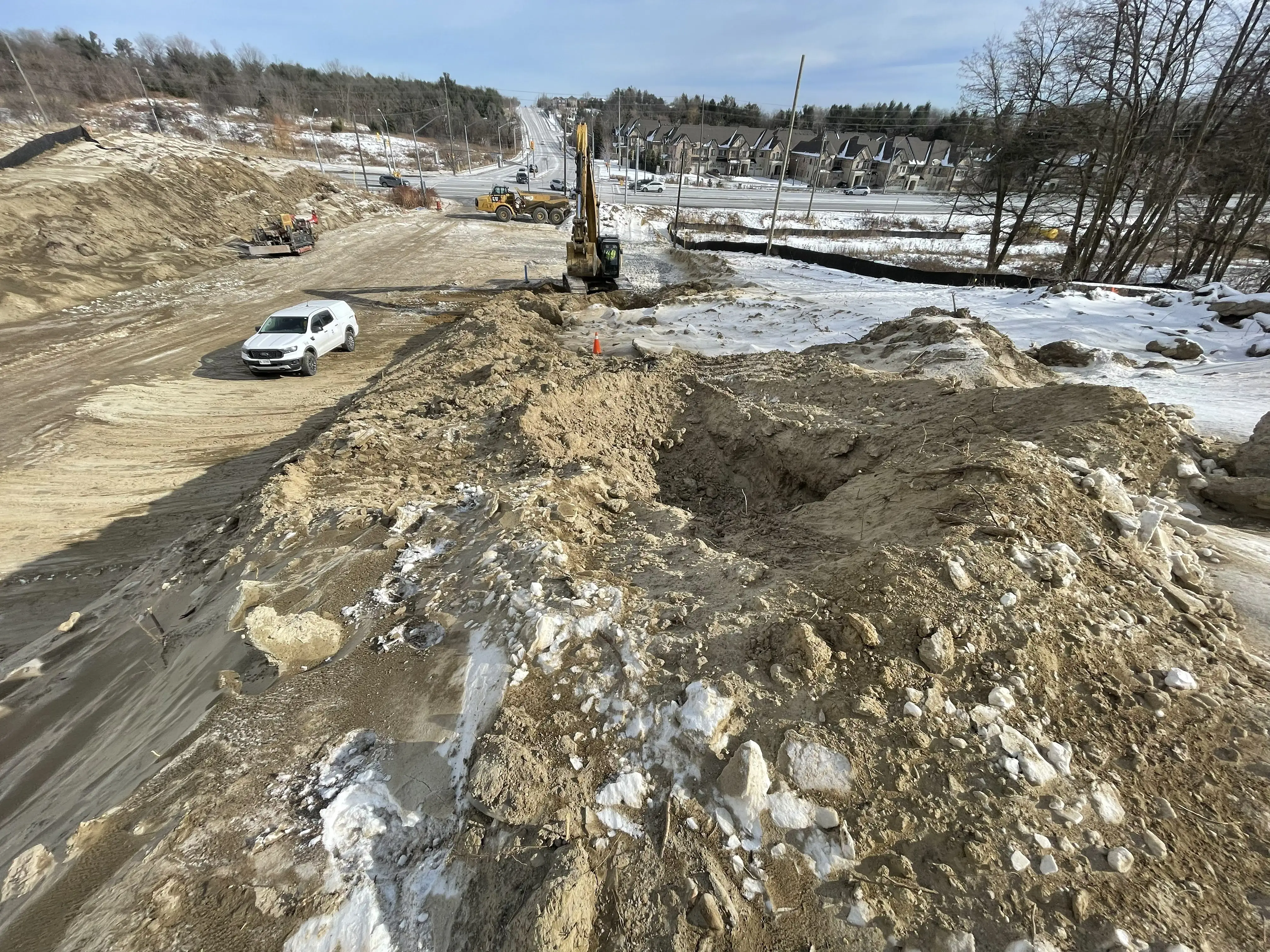
This article explores the complexities of excess soil management in Canada, highlighting regulatory differences across provinces, the importance of proactive soil testing, and the value of engaging environmental experts early in construction projects.
Excess soil, defined as the soil excavated during construction that cannot be reused on-site, has historically been viewed as a disposal issue rather than a valuable resource. This approach has led to significant challenges, including illegal dumping, unnecessary landfill disposal of clean materials, and the inappropriate reuse of contaminated soils. As the construction industry evolves, understanding and managing excess soil is becoming increasingly critical.In Canada, the regulatory landscape surrounding excess soil has seen notable changes, particularly in Ontario and British Columbia, where stringent rules have been established to promote beneficial reuse of soil and ensure proper assessment before relocation. In stark contrast, provinces such as Alberta and Saskatchewan have yet to implement comprehensive province-wide regulations for excess soil management. However, the industry is gradually moving towards adopting more standardized practices in these regions.
Erica Andrew, a Senior Environmental Specialist at Thurber’s Calgary office, emphasizes the importance of proactive soil management, even in the absence of strict regulations. "Even though there aren’t mandated testing rules in Alberta and Saskatchewan, you should still test the soil on your site," she advises. Testing and reusing soil can be more cost-effective for developers, as clean soil eliminates the need to import soil from borrow pits or incur high landfill disposal fees. Additionally, testing soil that is imported or exported from construction sites can help prevent future complications.
The recommended frequency of soil testing can vary based on site conditions and contamination risks. For brownfield sites—previously developed areas—testing might require one sample per thousand cubic meters of soil, while for greenfield sites, where contamination risk is lower, the frequency can often be reduced to one sample per five thousand cubic meters.
Alberta’s lack of a centralized excess soil management framework has led to a fragmented approach, particularly in older urban areas. Imported fill has occasionally been found contaminated or unsuitable for long-term use. For instance, Calgary’s East Village is built on soil imported from other locations, which was later discovered to be contaminated. Erica notes the difficulties in remediating contaminated sites post-construction, especially when contaminants are situated beneath existing buildings.
In Ontario, the framework for managing excess soil is considerably more prescriptive, necessitating early planning for construction projects. Often, a Qualified Person (QP) is required to oversee soil characterization, documentation, registry requirements, and decisions regarding soil reuse or disposal prior to excavation. David Kantor, a Senior Environmental Engineer in Thurber’s Oakville office, explains, "Thurber helps our Ontario clients develop practical solutions from construction planning to monitoring while navigating the province’s relatively new excess soil requirements." This proactive approach can significantly reduce project delays, enhance compliance, and streamline the movement of soil throughout construction processes.
Engaging environmental consultants such as Thurber early in a project is vital, ideally before land acquisition or excavation begins. Their early involvement aids in identifying contamination risks, delineating affected areas, and evaluating potential reuse or disposal options. Beyond contamination, geotechnical assessments are essential to ensure soils are appropriate for their intended applications. This includes evaluating factors like settlement potential, slope stability, erosion risks, and seismic hazards, where applicable. Engineers can then devise mitigation strategies that allow for safe and effective site development.
Thurber’s multidisciplinary team, comprising environmental specialists and geotechnical engineers, supports clients in making informed decisions about land management and development. This approach is particularly crucial in more regulated areas like Ontario and British Columbia, where adherence to excess soil requirements is mandatory. As the construction industry navigates the complexities of excess soil management, understanding the regulatory landscape and engaging with the right expertise can lead to more sustainable and efficient practices.
🏷️
excess soil
contamination
land development
environmental management
construction regulations
Ontario
geotechnical engineering
soil testing
Saskatchewan
Alberta
← Previous Post
Thurber Engineering: Managing Geohazards in Canada's Challenging Terrain5 months ago
Related Posts