Thurber Engineering Partners with Gerdau and Harsco Environmental to Transform Steel Slag into Sustainable Road Construction Material
📅 4 months ago
🏷️ Thurber Engineering Ltd.
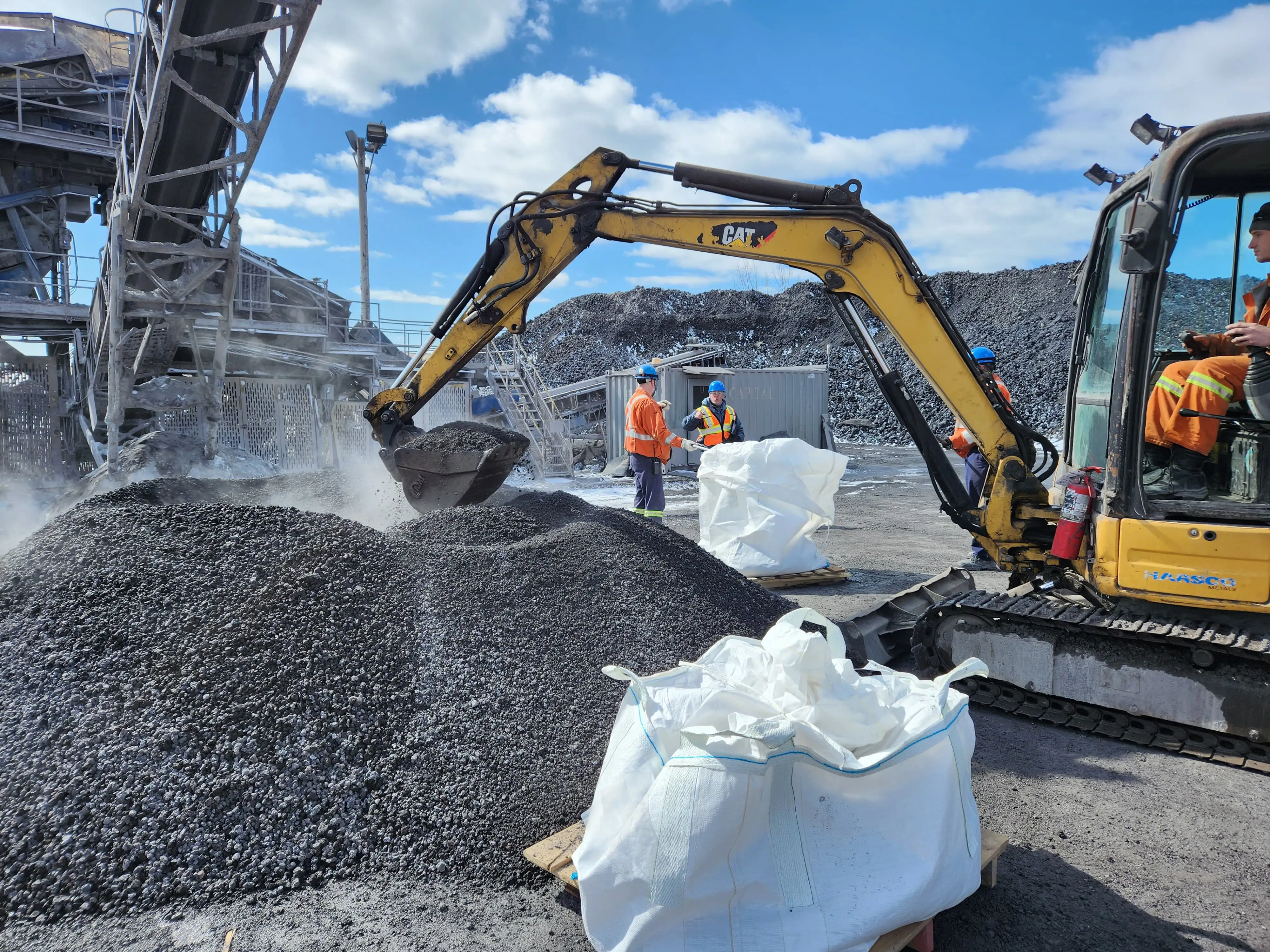
Thurber Engineering, in collaboration with Gerdau and Harsco Environmental, is researching the use of Electric Arc Furnace slag as a sustainable alternative to natural aggregates in hot mix asphalt, aiming to improve road construction practices in Ontario.
Thurber Engineering Ltd. has taken a significant step towards enhancing sustainable construction practices by collaborating with Gerdau and Harsco Environmental to address an environmental challenge related to Electric Arc Furnace (EAF) slag, a byproduct of steel recycling. This innovative partnership aims to explore the potential of repurposing EAF slag as a substitute for natural aggregate in hot mix asphalt (HMA), potentially revolutionizing road construction methods throughout Ontario.Historically, the use of EAF slag in Ontario has been heavily regulated since the 1990s due to concerns about its performance in asphalt mixes, despite its successful application as a premium component in HMA in Quebec. To pave the way for its reintroduction, Thurber's team undertook a comprehensive study to investigate the issues that led to the slag’s poor performance in the past and to establish whether it could be effectively integrated into HMA. The research also included determining the optimal ratio of EAF slag to natural aggregate.
Through a rigorous approach that involved literature reviews, material testing, and the development of various asphalt mix designs, Thurber's findings revealed that incorporating up to 30% EAF slag into HMA not only complies with Ontario's specifications (OPSS.PROV 1002) but also frequently surpasses conventional mixes in essential attributes such as strength, flexibility, and fatigue resistance. This breakthrough presents a compelling, evidence-based rationale for re-evaluating the use of EAF slag in Ontario's road construction.
The potential benefits of incorporating EAF slag into HMA are substantial. If successfully implemented, this approach could significantly reduce waste, decrease dependence on natural aggregates, and foster more sustainable practices in road construction. Thurber has already shared its findings with the Ministry of Transportation of Ontario, and discussions are currently in progress regarding a trial paving section on highways to test this innovative material in real-world conditions.
In addition to asphalt applications, Thurber's research suggests that EAF slag may have further valuable uses, which could help minimize waste and promote a greener future. By demonstrating how engineering innovation can transform industrial waste into a usable resource, Thurber supports both economic growth and environmental sustainability.
As the project advances towards practical highway trials, it serves not only as a model for sustainable infrastructure but also exemplifies the power of cross-industry collaboration in addressing environmental challenges. The initiative highlights Thurber's commitment to finding innovative solutions that benefit both clients and the broader community, showcasing the potential for industry-wide transformation in construction practices.
🏷️
EAF slag
environmental innovation
hot mix asphalt
road construction
Harsco Environmental
sustainable construction
Ontario
asphalt
Thurber Engineering
Gerdau
← Previous Post
Understanding Metal Leaching and Acid Rock Drainage in British Columbia's Infrastructure Projects4 months ago
Next Article →
Thurber Engineering's Longstanding Partnership with MacEwan University Celebrated in Top 25 Remediation Projects4 months ago