Concerns Arise Over B.C. Government's Plan to Convert Unsold Condos into Affordable Housing
📅 4 months ago
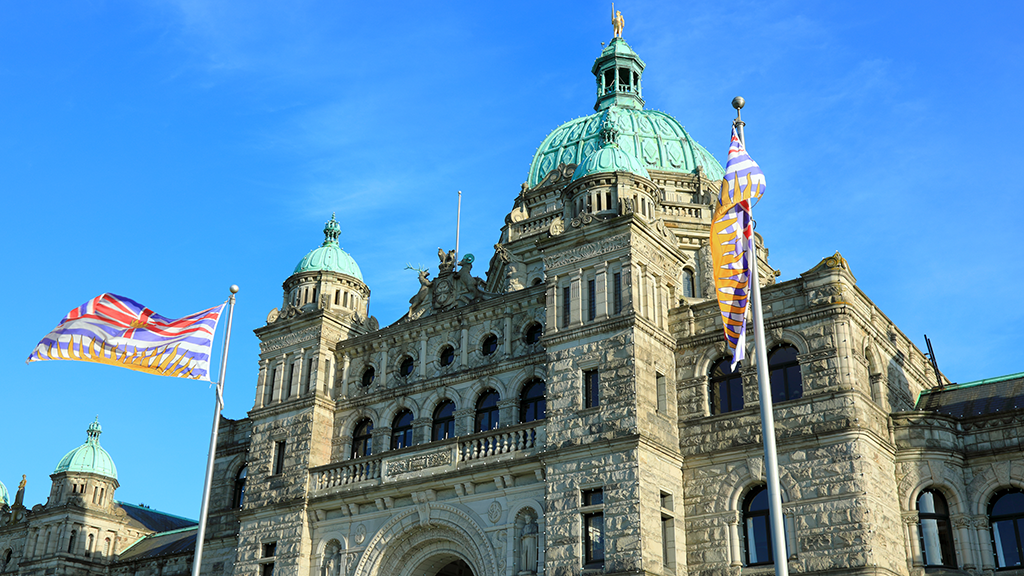
Experts express doubts about the B.C. government's initiative to purchase unsold condominiums for affordable housing, suggesting it may prioritize financial stabilization over genuine housing solutions.
In Victoria, a government initiative aimed at purchasing vacant condominiums to transform them into affordable housing is under scrutiny. Urban planning expert Andy Yan has raised concerns that this plan may be more focused on stabilizing the financial sector than addressing the pressing housing crisis in British Columbia. The proposal, which Prime Minister Mark Carney described as employing 'innovative financial tools', aims to convert 2,200 unsold condominiums as part of a broader housing strategy valued at $5 billion over the next decade. However, specifics regarding the purchase prices and future use of these condos remain undisclosed, with details expected to emerge later in the fall.Carney, alongside B.C. Premier David Eby, emphasized the necessity of this plan, suggesting it would alleviate the backlog of unsold units. Yet, Yan points out that the initiative raises numerous unanswered questions, including which condos will be acquired and the timing of this government action. He noted that a similar situation arose in the mid-1990s when unsold condominium levels were comparable, but government intervention was not as pronounced then, as incomes and housing prices were more closely aligned.
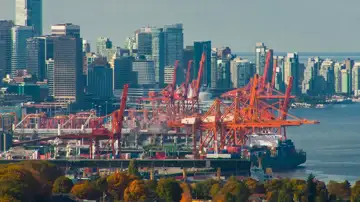
Current statistics from the Canadian Mortgage and Housing Corporation reveal that as of May 2026, there were 5,849 unabsorbed apartments across British Columbia, with 4,376 of those located in Metro Vancouver, which represents 75% of the unsold units. In contrast, December 1995 recorded 3,331 unabsorbed apartments in a smaller Metro Vancouver population.
The disparity between rising housing prices and stagnant incomes, according to Yan, is a critical factor influencing the current crisis. He expressed concerns that the government’s approach might be an attempt to preemptively counteract a potential downturn similar to the U.S. subprime mortgage crisis that began in 2007, which was marked by widespread mortgage defaults leading to a recession. 'Is this the prime minister trying to create a new floor for Vancouver housing prices?' Yan questioned.
Carney attributed the current predicament to elevated interest rates and diminished demand, stating that developers are hesitant to sell at a loss. However, B.C. Conservative housing critic Linda Hepner criticized the government's strategy, asserting that using taxpayer money to support developers does not resolve the housing crisis. She argued that if condo prices are excessively high, market forces should dictate a natural reduction in prices rather than government intervention.
Yan also highlighted that the plan could disrupt the housing market, contradicting the longstanding narrative from policymakers and industry leaders that the market is simply suffering from a supply shortage. 'With this type of housing coming online, the market should allow prices to naturally come down,' he asserted. This initiative could set a precedent for other sectors seeking public financial assistance.
The Union of British Columbia Municipalities has also expressed confusion regarding the announcement. Councillor Jenna Stoner indicated that the organization is still trying to discern the implications of the announced plan. She noted that while the intention appears to be to purchase condos for below-market availability, it remains unclear who will manage or own these units.
Furthermore, Stoner criticized the provincial government's decision not to allocate the recently announced funds to the community housing fund established in 2018 for building affordable rental housing. The retroactive cancellation of the latest funding call and the indefinite suspension of future calls have left many projects in limbo, frustrating local governments. 'There were many projects in the wings waiting to be funded that were just left stranded by the province,' Stoner remarked, reflecting a broader concern among local leaders about the direction of housing policy in British Columbia.
🏷️
British Columbia
housing policy
government intervention
financial stabilization
condominium
Metro Vancouver
Urban planning
Affordable housing
housing crisis
real estate market
← Previous Post
Glencore's Sudbury Integrated Nickel Operations Team Wins Ontario Mine Rescue Championship4 months ago
Next Article →
Lawsuit Filed Against Vancouver Company for Alleged Negligence in Yukon Gold Mine Disaster4 months ago