Climate Change Education and Training Initiatives Transform Canadian Construction Industry
📅 4 months ago
New training programs addressing climate change are being implemented in the Canadian construction industry to equip professionals with necessary skills for net-zero construction practices.
The construction industry is undergoing significant transformations as it grapples with the realities of climate change. This shift is not just about altering building practices; it’s also about enhancing education and training for professionals in the field. In response to an increasing number of ambitious net-zero targets and a rising demand for expertise in climate-related issues, several new educational initiatives have been launched to equip both building professionals and tradespeople with the necessary skills to thrive in this evolving landscape.One notable initiative is the Building It Green (BIG) program, developed by Canada’s Building Trades Unions (CBTU) in collaboration with SkillPlan. This program is a national effort that integrates climate literacy and net-zero construction practices into the training of skilled trades across more than 200 training centers. According to Lindsay Amundsen, CBTU’s director of workforce development, the BIG training includes a foundational online course lasting two and a half hours, along with 23 trade-specific modules, each lasting one hour. These modules can be accessed online or in traditional classroom settings. Since its inception in 2012, approximately 1,800 individuals have participated in the course, which is currently being updated to include fresh content and Indigenous perspectives. Amundsen expressed her satisfaction with the enthusiasm for the program, noting its value as a crucial source of climate change education for tradespeople who have often adapted their practices without fully understanding the underlying reasons.
Another significant educational offering is the Climate Change Resilience for Building Sector Professionals course, developed by the Climate Risk Institute (CRI) in partnership with Engineers and Geoscientists British Columbia (EGBC). This e-learning course focuses on climate-risk assessment and adaptation strategies for larger buildings, specifically those exceeding 600 square meters or taller than three stories. The CRI describes this course as a pioneering effort in Canada to build capacity and enhance climate-related skills among professionals in the building sector. The curriculum consists of five modules delivered over five weeks, featuring online lectures, readings, and facilitated discussions. Paul Cobb, the CTI lead of training, highlighted the urgency of addressing climate resilience in building practices, emphasizing that proactive measures are essential now and in the future. The course is priced at $795 per participant and is set to commence in September.
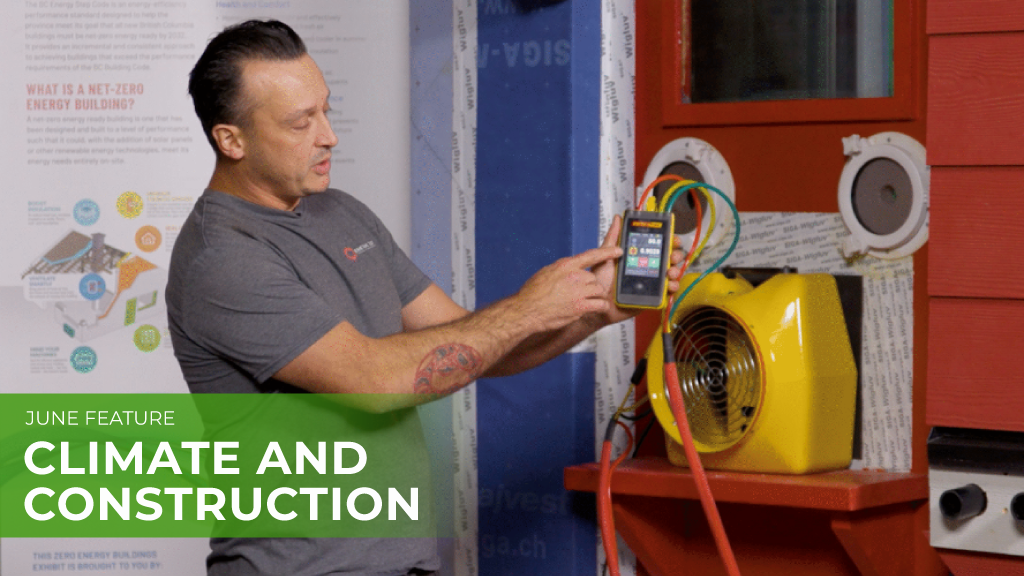
Lastly, the Zero Energy and Emissions Buildings (ZEB) Learning Centre at the British Columbia Institute of Technology provides specialized training in net-zero energy and zero emissions design and construction. ZEB offers a variety of educational formats, including microcredential programs, individual courses, and private group training sessions. The center also operates the High Performance Building Lab, which focuses on training related to zero energy and emissions construction. Popular microcredential programs include Essentials of Net-Zero and Passive House Construction, as well as specialized training for Residential Air to Air Heat Pump Specialists and Whole-Building Life Cycle Assessment Professionals. Since 2017, over 5,000 students have successfully completed microcredentials through the ZEB Learning Centre, underscoring the growing demand for education in sustainable building practices.
These educational programs reflect a broader trend in the construction industry towards sustainability and climate resilience. As the sector continues to evolve in response to climate change, the integration of climate-focused training into the educational framework for construction professionals is becoming increasingly essential. The emphasis on climate literacy and practical skills will undoubtedly shape the future of construction in Canada, ensuring that the industry is well-equipped to meet the challenges posed by a changing climate.
🏷️
climate change
education
microcredentials
zero emissions
training programs
building resilience
Canada
sustainability
net-zero construction
construction industry
← Previous Post
Canada's Rental Market Faces Continued Decline as Supply Grows and Demand Slows4 months ago
Next Article →
Hydro One Files Leave-to-Construct Application for $430 Million Durham Kawartha Power Line4 months ago