Toronto's Ontario Line: Transforming Muck into a Valuable Resource
📅 4 months ago
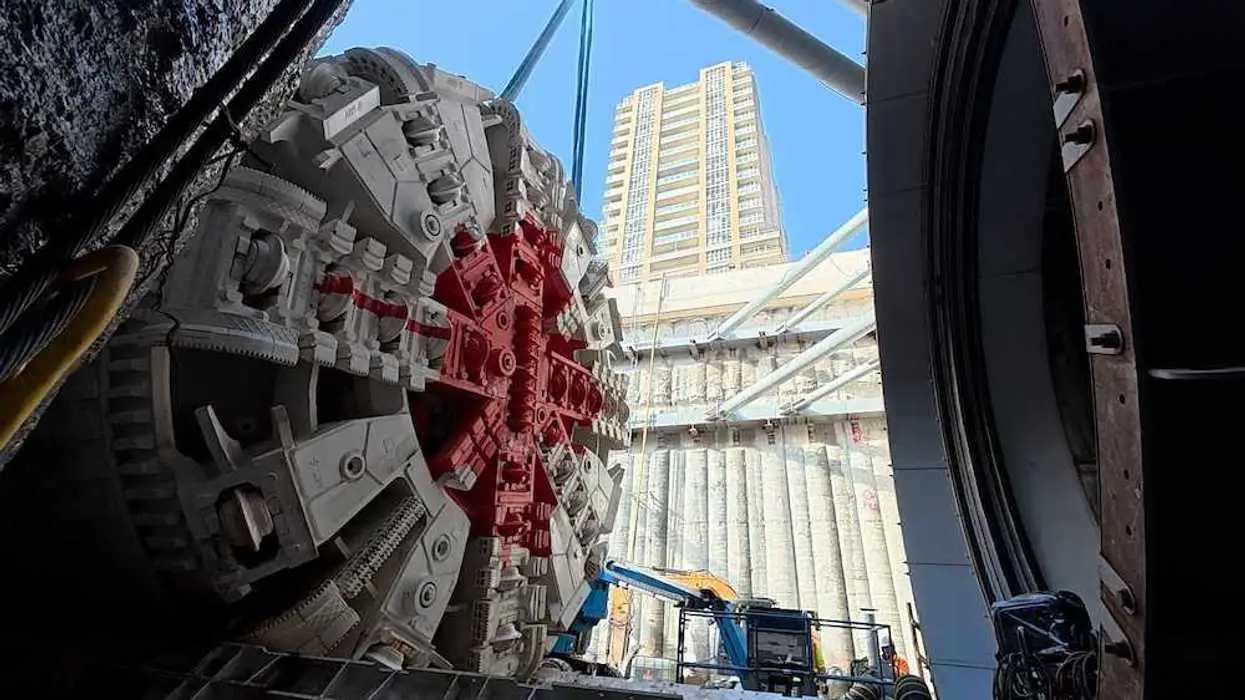
Toronto's Ontario Line subway project is not just about transit; it's about how the excavation process is transforming waste into resources. As tunnelling begins, the management of excavated material, or 'muck', is being redefined under new regulations aimed at reducing environmental impact and promoting reuse.
The future of Toronto is being shaped by the ambitious Ontario Line subway project, which spans 15.6 kilometers and promises to transport commuters from Exhibition Station to Don Mills Road in just 40 minutes. Announced by Metrolinx, tunnelling operations commenced in April 2026, marking a significant step in the development of this vital transit line. Two tunnel boring machines (TBMs), aptly named Libby and Corkie, are currently carving out the tunnels from the Exhibition grounds towards Don Yard, navigating through a mix of underground materials that include sand, clay, silt, boulders, and bedrock, each posing unique challenges for ground stability and groundwater management.The construction of the Ontario Line requires expansive tunnels that accommodate not only the trains but also essential infrastructure such as power systems, signaling, and safety walkways. The excavation process generates a substantial amount of soil, known as 'muck', which raises important questions regarding its disposal and potential reuse. Traditionally, excavated materials were often discarded as waste, contributing to landfill overcrowding and environmental concerns such as fuel emissions from transportation and groundwater contamination. However, as major transit projects gain momentum across the Greater Toronto Area (GTA), the approach to muck management is evolving.
Under Ontario's O. Reg. 406/19, excavated soil is now recognized as a resource rather than waste. This regulation mandates rigorous processes for soil characterization, testing, and tracking, ensuring that clean soil can be reused in various applications while contaminated materials are disposed of responsibly. This shift reflects a broader trend towards sustainable construction practices, with an emphasis on diverting waste from landfills. For instance, during the construction of the Hazel McCallion LRT, around 80% of the waste was successfully diverted from landfills, highlighting the potential for effective waste management in transit projects.
Toronto has a historical precedent for reusing excavated materials, having previously utilized soil from transit projects to create the Leslie Street Spit. Similarly, the soil excavated from the Finch West LRT project in 2021 was repurposed for other infrastructure developments, such as the Lincolnville GO Station. These practices demonstrate how soil can be effectively integrated into the construction ecosystem, contributing to land rehabilitation efforts and reducing the need for new raw materials.
While many cities globally have adopted circular economy principles for managing excavated materials, Toronto is still navigating the complexities of this transition. For example, in Paris, excavated soil from metro projects has been repurposed into construction materials through coordinated logistics networks, although similar initiatives in North America still largely focus on regulated reuse rather than comprehensive material transformation.
Another challenge in muck management is the chemical composition of the excavated material. The soil is often mixed with additives used during tunneling, which can complicate its reuse. Recent research has explored methods to convert this chemically altered muck into high-performance construction materials, such as low-carbon concrete. This innovative approach not only addresses the environmental impact of traditional cement production but also opens up new avenues for utilizing excavated materials.
Despite the potential for reusing muck, contractors face significant logistical hurdles, particularly in dense urban environments like Toronto. The rapid pace of tunneling generates continuous waste, demanding swift testing and classification of excavated materials to avoid delays. Innovative solutions, such as on-site slurry treatment systems, are being implemented to streamline the process and reduce the need for temporary storage.
As the Ontario Line project progresses, the fate of the excavated material remains uncertain. Metrolinx has indicated that soil will be tested and classified before determining its ultimate destination, whether for reuse in construction or for disposal. The agency is committed to ensuring that logistics are managed efficiently and with minimal disruption to the city. As the project unfolds, the approach to muck management may not only redefine waste in the context of transit construction but also set a precedent for future infrastructure projects in Toronto and beyond.
🏷️
transit infrastructure
sustainability
circular economy
Metrolinx
Toronto
Ontario Line
subway construction
excavated soil
waste management
construction practices
← Previous Post
Wesgroup Properties Introduces 'Try Before You Buy' Program for ACE Development in Vancouver4 months ago
Next Article →
Children’s Museum of Manhattan Transforms Historic Church into Modern Learning Space4 months ago