B.C. Government Re-tenders $4.15 Billion Massey Tunnel Project Amid Cost Concerns
📅 4 months ago
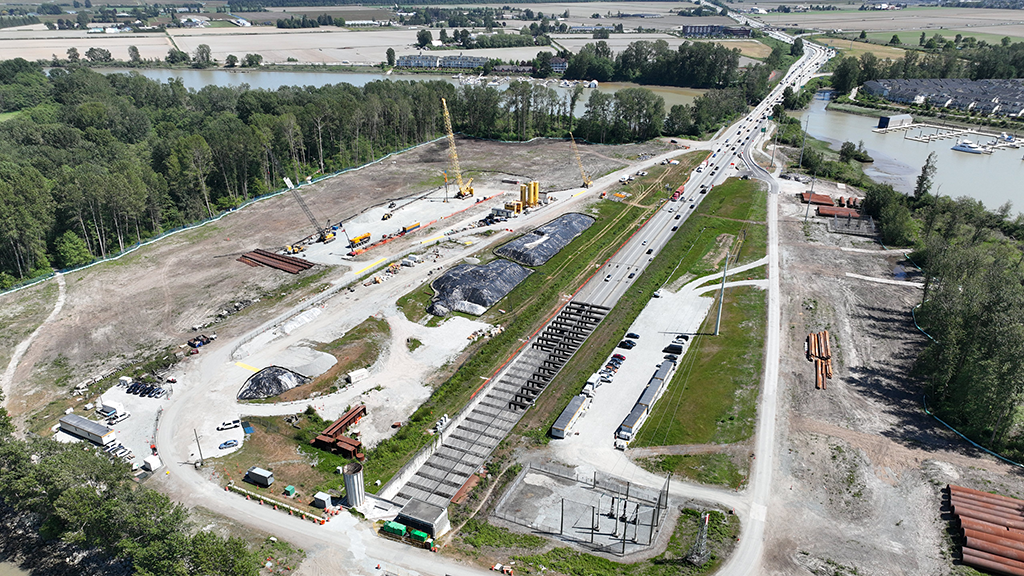
The British Columbia New Democratic Party (NDP) has decided to terminate its dealings with the design-build consortium Cross Fraser Partnership (CFP) regarding the Fraser River Tunnel Project, commonly known as the Massey Tunnel Project. This decision comes in light of the $4.15 billion budget for the project, which has remained unchanged since 2021. The B.C. government expressed its inability to finalize an agreement with CFP over commercial terms for the construction, leading to a new tendering process in hopes of securing a better deal. Delta Councillor Dylan Kruger highlighted community frustrations at a recent council meeting, calling for a third-party review of the termination to assess both the implications of the cancellation and the overall budget concerns.
Kruger pointed out that many industry experts doubt the feasibility of completing the tunnel for the stated $4.15 billion, predicting the actual costs could escalate closer to $9 billion. The B.C. government’s decision to re-tender the project has been met with criticism, with some experts suggesting that the delays could potentially drive costs up to $11 billion.
The new procurement strategy will divide the project into five separate contracts, with Requests for Qualifications already issued to identify qualified proponents for each phase. The contracts will cover various aspects of the project, including the construction of the immersed tube tunnel, the south portal on Deas Island, the north portal in Richmond, finishing works for the tunnel, and the new Deas Slough Bridge. The procurement process for the first two contracts began on June 16 and is set to follow a design-bid-build model with target price contracts.
Jordan Bateman from the Independent Contractors and Businesses Association criticized the termination as “a disaster” for local commuters, asserting that the crossing could have been completed two years earlier for under $3 billion had the original bridge proposal not been scrapped in favor of the tunnel. He attributed the termination to the NDP's budget constraints, which he believes hindered reaching a feasible deal with CFP.
Transportation Minister Mike Farnworth defended the re-tendering process, stating the need to ensure competitive bidding and secure the best value for taxpayers. He noted that the market is eager for major infrastructure projects, and the division into smaller contracts would allow a wider range of firms to participate.
While the original consortium, which includes Bouygues Construction Canada, Fomento de Construcciones y Contratas Canada, and Pomerleau, has had its dealings terminated, Pomerleau has expressed its intention to remain involved in the project and participate in upcoming procurement opportunities. The BC Construction Association has welcomed the re-tendering as an opportunity for greater participation from local contractors, emphasizing the need for a fair and open procurement process.
The Progressive Contractors Association of Canada has called for a labour-model neutral procurement process to maximize competition and value for taxpayers. Unions have also shown support for the revised tendering approach, arguing that it will provide more local firms with the chance to compete for contracts. Industry leaders, such as Kelly Scott from the BC Road Builders and Heavy Construction Association, have indicated that the division of the project into smaller segments could benefit local economies and encourage partnerships among smaller construction companies.
In summary, the B.C. government’s decision to re-tender the Massey Tunnel Project reflects ongoing concerns over budgetary constraints and cost projections. As the project enters a new phase of procurement, it remains to be seen how this will impact the timeline and overall costs associated with this significant infrastructure initiative in British Columbia.
Kruger pointed out that many industry experts doubt the feasibility of completing the tunnel for the stated $4.15 billion, predicting the actual costs could escalate closer to $9 billion. The B.C. government’s decision to re-tender the project has been met with criticism, with some experts suggesting that the delays could potentially drive costs up to $11 billion.
The new procurement strategy will divide the project into five separate contracts, with Requests for Qualifications already issued to identify qualified proponents for each phase. The contracts will cover various aspects of the project, including the construction of the immersed tube tunnel, the south portal on Deas Island, the north portal in Richmond, finishing works for the tunnel, and the new Deas Slough Bridge. The procurement process for the first two contracts began on June 16 and is set to follow a design-bid-build model with target price contracts.
Jordan Bateman from the Independent Contractors and Businesses Association criticized the termination as “a disaster” for local commuters, asserting that the crossing could have been completed two years earlier for under $3 billion had the original bridge proposal not been scrapped in favor of the tunnel. He attributed the termination to the NDP's budget constraints, which he believes hindered reaching a feasible deal with CFP.
Transportation Minister Mike Farnworth defended the re-tendering process, stating the need to ensure competitive bidding and secure the best value for taxpayers. He noted that the market is eager for major infrastructure projects, and the division into smaller contracts would allow a wider range of firms to participate.
While the original consortium, which includes Bouygues Construction Canada, Fomento de Construcciones y Contratas Canada, and Pomerleau, has had its dealings terminated, Pomerleau has expressed its intention to remain involved in the project and participate in upcoming procurement opportunities. The BC Construction Association has welcomed the re-tendering as an opportunity for greater participation from local contractors, emphasizing the need for a fair and open procurement process.
The Progressive Contractors Association of Canada has called for a labour-model neutral procurement process to maximize competition and value for taxpayers. Unions have also shown support for the revised tendering approach, arguing that it will provide more local firms with the chance to compete for contracts. Industry leaders, such as Kelly Scott from the BC Road Builders and Heavy Construction Association, have indicated that the division of the project into smaller segments could benefit local economies and encourage partnerships among smaller construction companies.
In summary, the B.C. government’s decision to re-tender the Massey Tunnel Project reflects ongoing concerns over budgetary constraints and cost projections. As the project enters a new phase of procurement, it remains to be seen how this will impact the timeline and overall costs associated with this significant infrastructure initiative in British Columbia.
🏷️
design-build
re-tendering
Massey Tunnel
Transportation
construction contracts
budget constraints
Fraser River
public procurement
B.C. infrastructure
local contractors
Next Article →
Remembering the Ironworkers Memorial Bridge Collapse: A 68-Year Commemoration4 months ago