Chief Engineer Charged in Baltimore Bridge Collapse
📅 4 months ago
The chief engineer of a cargo ship involved in the collapse of Baltimore’s Francis Scott Key Bridge faces federal charges for failing to report hazardous conditions prior to the incident.
In a significant legal development, prosecutors have charged Karthikeyan Deenadayalan, the chief engineer of a cargo ship, in connection with the tragic collapse of Baltimore’s Francis Scott Key Bridge, which resulted in the deaths of six construction workers in March 2024. The charge, filed in U.S. District Court in Maryland, accuses Deenadayalan of neglecting to inform the U.S. Coast Guard about dangerous conditions aboard the vessel. The specific allegation is that he did not disclose the use of an improper fuel pump that lacked a backup system for two generators powering the ship.Deenadayalan’s legal representatives have yet to respond to requests for comment regarding the charges. The court documents indicate that a deferred prosecution agreement has been filed, although the terms of this agreement remain undisclosed. Such agreements are often utilized when defendants consent to fulfill certain conditions—such as providing testimony or restitution—in exchange for the potential dismissal of charges.
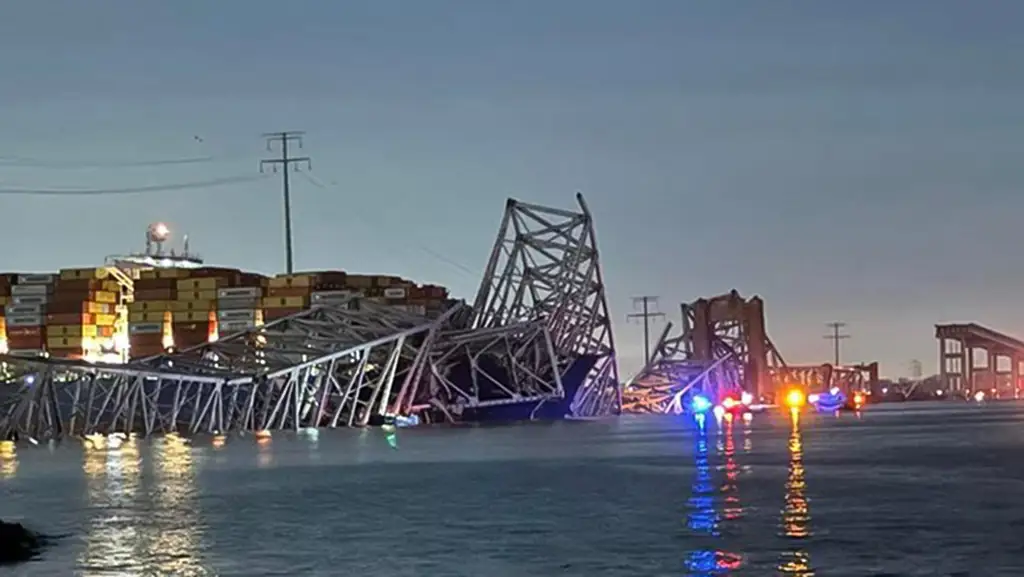
According to the prosecution, Deenadayalan was at the helm of the container ship, known as the Dali, in the days leading up to the catastrophic collision with the Key Bridge. The ship was in the Port of Baltimore when it experienced two power losses within a mere four minutes while navigating out to sea on March 26, 2024. The initial power failure, attributed to a loose wire in the switchboard, resulted in a steering malfunction. After regaining power, the ship encountered further issues due to the fuel pump's inability to restart automatically following the first blackout, leading to the vessel crashing into a bridge support column.
The incident claimed the lives of six construction workers engaged in pothole repairs on the bridge at the time of the accident. The Francis Scott Key Bridge, operational since 1977, serves millions of vehicles daily, making the implications of this incident particularly severe for local infrastructure and safety.
In May, additional indictments were brought against the Singapore-based ship operator, Synergy Marine Pte Ltd., and another employee, both facing charges related to the same incident. These charges include conspiracy, misconduct resulting in death, and providing false statements to investigators. The ship’s former technical superintendent, Radhakrishnan Karthik Nair, is also facing similar accusations, with a trial for these defendants set for October 2027.
Synergy Marine has publicly expressed disappointment with the charges, suggesting that the U.S. Justice Department is mischaracterizing an accident as a criminal act. Nair’s attorney echoed these sentiments, emphasizing his client’s ongoing distress regarding the incident while asserting that Nair did not cause the accident.
In a related financial settlement, a $2.25 billion agreement was reached in April between the state of Maryland, Synergy Marine, and Grace Ocean Private Limited, the ship’s owner. Notably, Grace Ocean has not been charged with any crimes related to the bridge collapse. Recently, a federal judge granted a postponement of a civil trial concerning the incident, following a series of last-minute settlements that resolved most outstanding claims, particularly those associated with the fatalities of the six workers. The remaining claims largely involve economic losses suffered by local businesses and government entities, with no parties currently seeking to proceed with the trial as initially scheduled.
🏷️
Karthikeyan Deenadayalan
maritime law
Infrastructure
Synergy Marine
bridge collapse
construction safety
Baltimore
cargo ship
federal prosecution
accident investigation
Next Article →
B.C. Government Re-tenders $4.15 Billion Massey Tunnel Project Amid Cost Concerns4 months ago