Canada Plans Major Expansion of Nuclear Power with New Reactors and Global Sales
📅 4 months ago
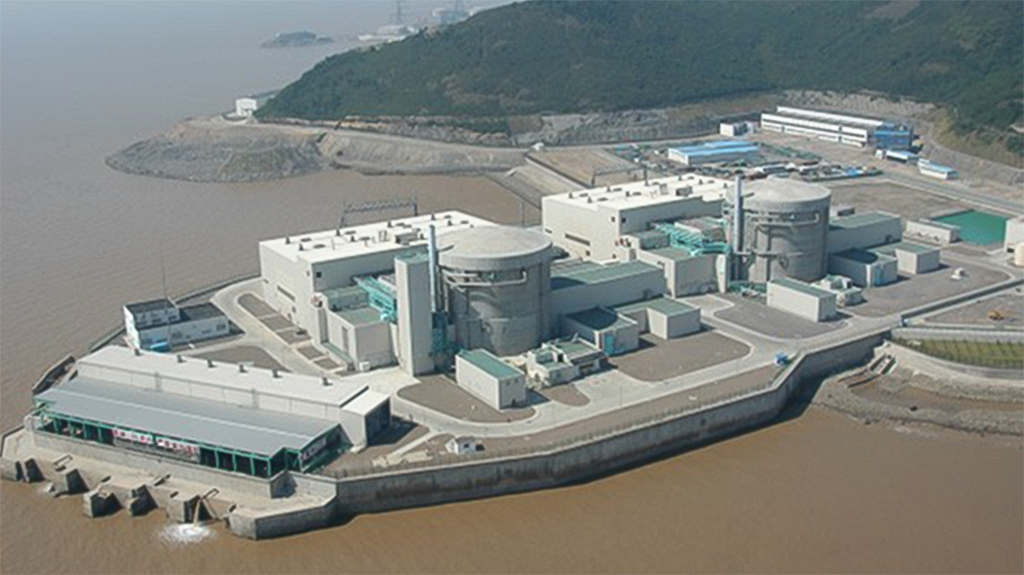
Canada outlines an ambitious plan to construct up to 10 new nuclear reactors over the next 15 years, expand uranium exports, and position itself as a leader in nuclear energy on the global stage.
OTTAWA — Canada has announced an extensive initiative to construct up to 10 new nuclear reactors over the next 15 years, alongside plans to sell Candu reactors to additional countries and double its uranium exports. Energy Minister Tim Hodgson unveiled this national strategy for nuclear power on Monday, describing it as a blueprint for a "new civilian nuclear renaissance" aimed at significantly increasing the country's electrical grid capacity by 2050. "If our goal is to double our grid and build a low-carbon economy in less than 25 years, there is no credible plan to do that without nuclear energy and the clean, reliable baseload power it provides," Hodgson stated during a news conference held in Newmarket, Ontario. He emphasized the importance of leveraging Canada's existing energy strengths to become an energy superpower. The strategy outlines a timeline for the construction of two large-scale reactors beginning in 2035, with plans for five additional reactors to be in development or planned by 2040. Furthermore, at least one reactor is expected to be under construction outside of Ontario by 2035. The initiative also includes plans for a Canadian-made microreactor to be finalized by 2035 and deployed to a remote community by the late 2030s. Prior to the announcement, Conservative Leader Pierre Poilievre expressed skepticism about the plan, asserting that announcements alone do not lead to actual construction. “An announcement will not build anything,” he remarked, citing a history of unfulfilled promises from the Carney Liberals. During a technical briefing ahead of the announcement, a Natural Resources Canada official indicated that the construction of these new reactors could exceed $100 billion. While the strategy does not specify funding mechanisms, possibilities mentioned include the Canadian Infrastructure Bank and the Canada Growth Fund. Hodgson projected that the strategy could double the current workforce of 90,000 jobs in Canada’s nuclear sector over the coming decades. Additionally, the strategy aims to export Candu reactors to new international markets, targeting at least four new markets by 2040 and engaging with six to ten new nuclear entrant markets over a 15-year period. Currently, there are 30 Candu reactors in operation worldwide, including in countries such as South Korea, China, India, Argentina, Pakistan, and Romania, with plans for two more. The document clarifies that Prime Minister Mark Carney was not involved in the strategy's development, as he is subject to an ethics screen due to his financial interests. The government is also looking to enhance Canada’s position as a reliable uranium export partner while leveraging nuclear energy for geopolitical advantages. The strategy highlights that reactor exports are not merely transactional; they forge long-term partnerships that align with Canada’s broader foreign policy goals. As Canada seeks to diversify its trading relationships and strengthen ties with middle powers, Candu technologies could play a pivotal role in this strategy. Should Canada fail to increase Candu reactor sales internationally, the strategy suggests exploring domestic uranium enrichment capabilities to support other reactor types. Unlike most nuclear reactors, Candu reactors do not require enriched uranium. With Western allies moving away from Russian uranium supplies, the strategy posits that Canada is uniquely positioned to meet this evolving demand, particularly in upstream uranium stages, while also considering selective expansions in downstream capabilities. The longer-term question of developing domestic enrichment capabilities remains under assessment, with a stronger case arising if the non-CANDU reactor fleet expands significantly. In the interim, the strategy emphasizes forming deliberate partnerships with trusted allies, positioning Canada as a leading supplier of uranium to ensure fuel security.
🏷️
energy strategy
sustainable energy
infrastructure development
geopolitical strategy
Candu reactors
electrical grid
nuclear power
job growth
Canada
uranium exports
← Previous Post
New Mini-Documentary Series Highlights Indigenous Trades Excellence in Alberta4 months ago
Next Article →
GTA New Home Sales Show Signs of Recovery Amid Ongoing Market Challenges4 months ago