
Court Ruling Mandates Proper Consultation for KSM Gold Mine Project in British Columbia
📅 4 months ago
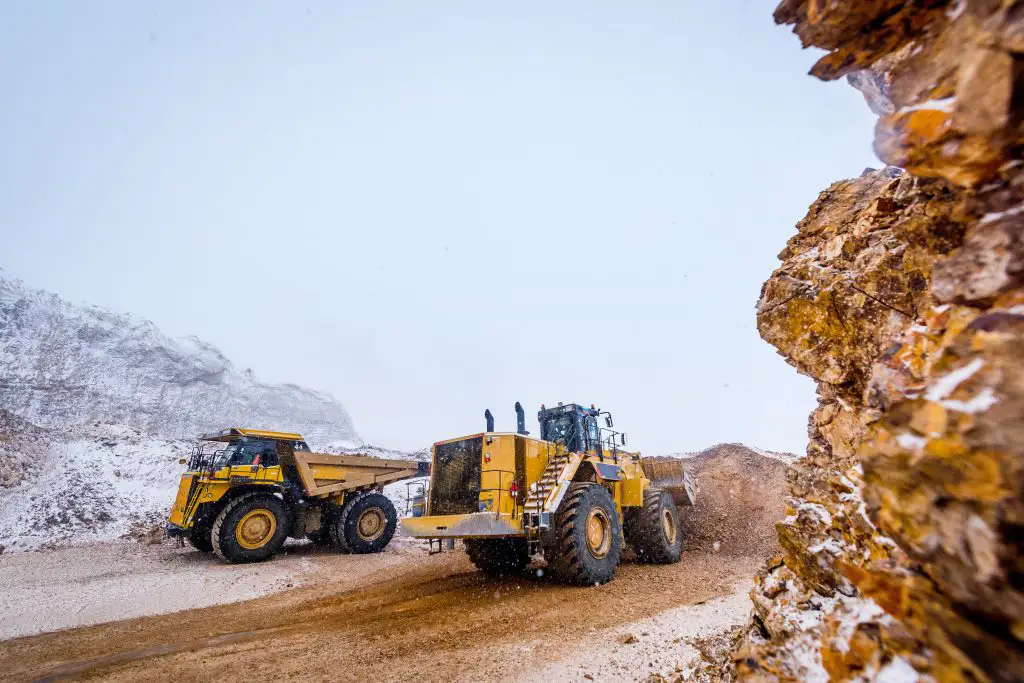
In a significant legal ruling, a British Columbia court has determined that the provincial government failed to adequately consult with the Tsetsaut Skii km Lax Ha Nation regarding the KSM Mine project, a substantial undeveloped gold mining initiative. This determination was made by the B.C. Supreme Court, which concluded that the province did not fulfill its duty to consult with the First Nation prior to declaring that Seabridge Gold's KSM Mine had been 'substantially started' following the issuance of an environmental assessment certificate in 2014.
The declaration of 'substantially started' means that a new environmental assessment is not necessary for the project to proceed. Justice Emily Burke has mandated that the matter be referred back to the Ministry of Environment for reconsideration, allowing the Tsetsaut Skii km Lax Ha Nation a 90-day period to submit their views to the province. The KSM Mine is noted as the largest undeveloped gold mining project globally, with Seabridge Gold reporting an investment of $1.2 billion into the site, which includes $208 million spent since the company's application for the 'substantially started' status in January 2024.
The province issued this determination in July of the same year, but it faced opposition from the First Nation, which argued that they were not adequately consulted, especially concerning the potential environmental impact of a man-made pond intended to collect wastewater from the mine, located within their traditional territory.
Chief Darlene Simpson expressed satisfaction with the court's decision, emphasizing the need for the province to engage in proper consultation. In her statement, she highlighted the concerns regarding environmental risks associated with the waste disposal from what is touted as the world’s largest gold mine, which threatens their pristine waterways.
In response to the ruling, the province's Environmental Assessment Office indicated that it is carefully reviewing the court's decision to assess its implications and determine the next steps. The office reaffirmed its commitment to fulfilling its constitutional obligations to consult with First Nations in accordance with the Environmental Assessment Act.
The province had previously maintained that adequate consultation had occurred and argued that there was no requirement to formally evaluate the strength of the First Nation's territorial claims during the determination process.
Rudi Fronk, the chief executive of Seabridge Gold, expressed contentment with the court's finding that the substantial-start declaration was reasonable. He assured that the company would continue its work on the mine while the province re-evaluates the situation. Fronk also noted that the company has significantly enhanced the permanent physical improvements at the KSM site, which were deemed appropriate for the substantial-start determination.
Moreover, he acknowledged the ongoing support from the Nisga’a and Tahltan Nations, as well as the Gitxsan Hereditary Chiefs Office, for the KSM project, which adds another layer of complexity to the consultation process and stakeholder dynamics involved in the project’s future.
The declaration of 'substantially started' means that a new environmental assessment is not necessary for the project to proceed. Justice Emily Burke has mandated that the matter be referred back to the Ministry of Environment for reconsideration, allowing the Tsetsaut Skii km Lax Ha Nation a 90-day period to submit their views to the province. The KSM Mine is noted as the largest undeveloped gold mining project globally, with Seabridge Gold reporting an investment of $1.2 billion into the site, which includes $208 million spent since the company's application for the 'substantially started' status in January 2024.
The province issued this determination in July of the same year, but it faced opposition from the First Nation, which argued that they were not adequately consulted, especially concerning the potential environmental impact of a man-made pond intended to collect wastewater from the mine, located within their traditional territory.
Chief Darlene Simpson expressed satisfaction with the court's decision, emphasizing the need for the province to engage in proper consultation. In her statement, she highlighted the concerns regarding environmental risks associated with the waste disposal from what is touted as the world’s largest gold mine, which threatens their pristine waterways.
In response to the ruling, the province's Environmental Assessment Office indicated that it is carefully reviewing the court's decision to assess its implications and determine the next steps. The office reaffirmed its commitment to fulfilling its constitutional obligations to consult with First Nations in accordance with the Environmental Assessment Act.
The province had previously maintained that adequate consultation had occurred and argued that there was no requirement to formally evaluate the strength of the First Nation's territorial claims during the determination process.
Rudi Fronk, the chief executive of Seabridge Gold, expressed contentment with the court's finding that the substantial-start declaration was reasonable. He assured that the company would continue its work on the mine while the province re-evaluates the situation. Fronk also noted that the company has significantly enhanced the permanent physical improvements at the KSM site, which were deemed appropriate for the substantial-start determination.
Moreover, he acknowledged the ongoing support from the Nisga’a and Tahltan Nations, as well as the Gitxsan Hereditary Chiefs Office, for the KSM project, which adds another layer of complexity to the consultation process and stakeholder dynamics involved in the project’s future.
🏷️
environmental impact
environmental assessment
British Columbia
Indigenous rights
KSM Mine
resource development
Seabridge Gold
First Nations consultation
construction industry
gold mining