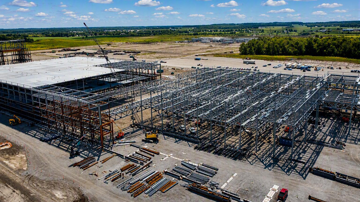
Moment Energy Accelerates EV Battery Repurposing in Surrey, B.C.
📅 4 months ago
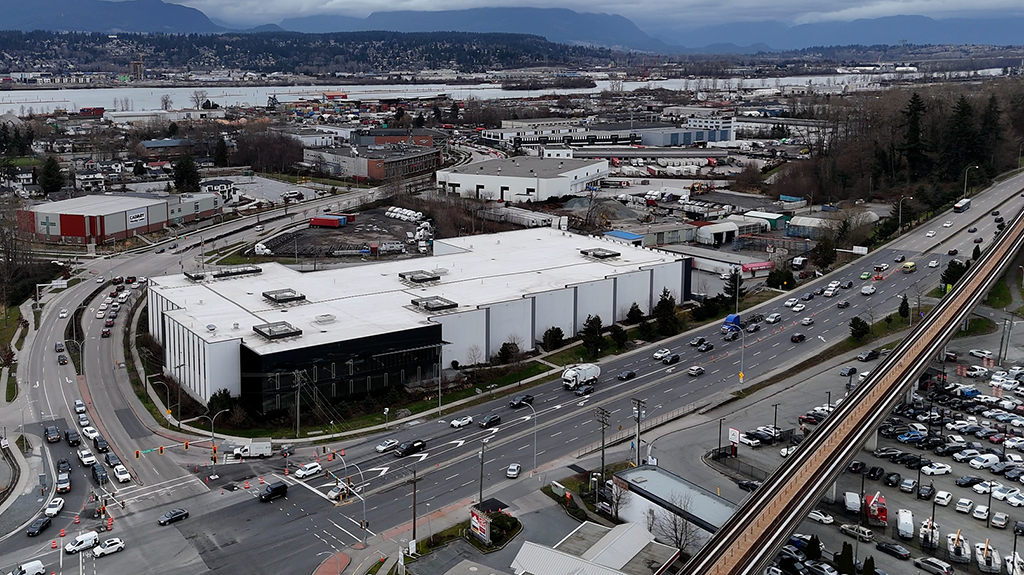
Moment Energy is set to complete a rapid retrofit of a facility in Surrey, B.C., to repurpose retired electric vehicle batteries, aiming for operational status by the end of June. The project supports the growing demand for energy storage solutions while fostering domestic manufacturing.
In Surrey, British Columbia, one of the most ambitious electric vehicle (EV) battery repurposing projects is underway, spearheaded by Moment Energy. The company initiated a swift retrofit of an existing structure in May, with plans to have the facility operational by the end of June, marking a significant milestone in the realm of sustainable energy solutions. By opting to retrofit an existing building instead of embarking on the traditional, lengthy process of constructing a greenfield factory, Moment Energy expects to significantly shorten the timeline for bringing the facility online.Unlike conventional battery manufacturing plants that typically take years to plan and build, this facility will focus on repurposing batteries that have reached the end of their useful life in vehicles. Moment Energy, based in Coquitlam, aims to test, recondition, and convert these retired batteries into commercial-scale battery energy storage systems tailored for industrial clients, utilities, and data centers. Edward Chiang, the co-founder and CEO of Moment Energy, emphasized the project's importance, stating, "This is about building the infrastructure needed to support the next generation of energy demand." He expressed pride in establishing the facility in Canada, the birthplace of Moment Energy, to strengthen domestic manufacturing capabilities.
The factory is designed to operate as a fully vertically integrated entity, managing the entire lifecycle of second-life batteries under one roof. Incoming battery packs will undergo thorough inspections, diagnostics, and performance testing before being sorted and graded based on their remaining capacity and condition. Following this, the batteries will proceed through reconditioning and rebuilding processes. Once refurbished, they will be incorporated into modular energy storage products, assembled into systems ready for deployment. The facility will include dedicated testing and safety zones to ensure performance and compliance before the finished products are shipped to customers.
Chiang highlighted the factory's progress, noting, "The shell of the building is finished." He clarified that Moment Energy's approach does not involve raw materials like lithium, cobalt, or manganese; rather, the focus is on extending the life of existing EV batteries. The primary output of the facility will be battery energy storage systems intended for high-demand applications. Potential customers include utilities seeking enhanced grid stability, industrial sectors aiming to lower energy costs and bolster resilience, and data centers grappling with increasing electricity demands driven by advancements in artificial intelligence and cloud computing.
According to Chiang, many EV batteries are removed from vehicles even when they still have substantial usable life left. Through rigorous testing and reconditioning, these batteries can retain as much as 90 to 95 percent of their original capacity, making them ideal for stationary energy storage applications. Moment Energy's battery systems are designed for various uses, including providing backup power during outages, storing renewable energy from solar sources, and assisting utilities in balancing electricity supply and demand. The repurposing process not only extends the batteries' useful life by over a decade but also mitigates the need for newly manufactured cells and the environmental impacts associated with mining and processing raw materials.
The company has ambitious plans to scale production capacity to one gigawatt hour per year by 2030, which will generate more than 100 skilled jobs in British Columbia over the next five years. Moment Energy is committed to maintaining a domestic supply chain, ensuring that batteries sourced from North American vehicles remain within the continent throughout the repurposing process. The facility will adhere to leading industry standards for the evaluation and repurposing of retired battery systems, positioning it as one of the few globally operating at this scale under such certification standards.
This project is supported by Moment Energy's recent completion of a US$40 million Series B financing round, raising the company's total capital to over US$100 million. The investment, led by Evok Innovations, will facilitate the company's expansion efforts in British Columbia and Texas, addressing the rapidly growing demand for energy storage solutions. Chiang remarked on the transformative potential of this initiative, stating, "AI is exposing what’s been broken in the grid for years, and the answer isn’t waiting on the next trillion-dollar utility upgrade. The era of independent energy is here, energy free from a grid that can’t keep up, supply chains we don’t control, and decades of new extraction. It starts with the batteries already on our roads. We’re certified to put them to work."
🏷️
British Columbia
battery repurposing
industrial applications
energy storage
clean energy
sustainability
electric vehicles
Moment Energy
retrofitting
renewable energy
← Previous Post
German Utility Uniper Signs Letter of Interest for LNG Supply from Ksi Lisims Project4 months ago
Next Article →
Court Ruling Mandates Proper Consultation for KSM Gold Mine Project in British Columbia4 months ago