Trump Administration Allocates $17.5 Billion for New Nuclear Reactors to Meet Energy Demands
📅 4 months ago
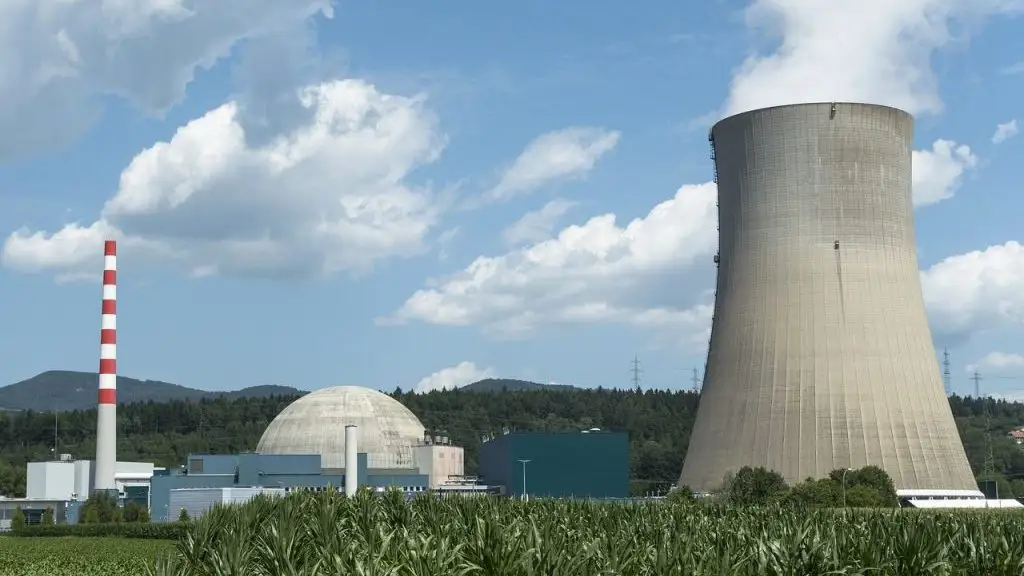
The U.S. government is investing heavily in nuclear energy to support growing electricity needs from data centers, aiming for construction of new reactors by 2030.
In a significant move to bolster energy production, the Trump administration has announced a funding package of $17.5 billion dedicated to the development of ten new large nuclear reactors. This initiative is driven by an increasing demand for electricity, particularly from the burgeoning data center industry. Energy Secretary Chris Wright highlighted the substantial interest from developers and utilities in acquiring power generated from these reactors. Construction on these nuclear plants could commence by the year 2030, with operational status expected by the mid-2030s. Wright emphasized, "This is the start. We’re going to move with the players that are ready to stand up and move quickly." He expressed confidence that once the necessary supply chain is established, the construction of additional reactors would likely follow. Historically, the majority of U.S. nuclear power plants were built during the 1970s and 1990s, with only two new large reactors completed in recent decades at Georgia Power Co.'s Plant Vogtle, which faced significant delays and budget overruns. The new reactors will adopt the Westinghouse AP1000 design, which has been previously scrutinized due to the Plant Vogtle project's challenges, including poor planning and disruptions caused by the COVID-19 pandemic. However, Wright assured that the reactor design remains "robust and sound." He added, "By building in volume and at multiple locations, we think we will create and stand up a large supply chain and build a lot of construction expertise." Seven utilities and energy companies have already signed letters of intent, indicating potential sites for the reactors. The Energy Department is set to select five sites, each accommodating two reactors. The funding will specifically target the acquisition of nuclear components with extended lead times, rather than serving as construction loans. The identities of the involved utilities and the states in which they operate remain undisclosed until the selection process is finalized, with no specific timeline provided for these decisions. President Trump has previously articulated a goal to quadruple domestic nuclear power production over the next 25 years, alongside executive orders aimed at expediting development. The administration is also exploring new nuclear technologies, including small modular reactors. Dan Sumner, CEO of Westinghouse, asserted the necessity of constructing industrial-scale nuclear power facilities to ensure U.S. leadership in sectors such as artificial intelligence and advanced manufacturing. However, the proposal has faced criticism due to concerns about the high costs and risks associated with nuclear energy compared to other low-carbon alternatives. According to government estimates, data centers accounted for 4% to 5% of the nation's total electricity consumption in 2024, a figure projected to nearly triple by 2028, contributing to an anticipated 20% rise in nationwide electricity usage over the next decade. The Energy Department indicated that these loans could expedite the development of the ten reactors by as much as three years while also potentially reducing construction expenses. The goal is for all ten reactors to be under construction by 2030, aiming to start power generation in the mid-2030s. The utilities, along with Westinghouse, will be expected to provide up to $5 billion in total equity across the five projects, with the Energy Department offering up to $17.5 billion in loans, or $3.5 billion per project, which Wright characterized as "very, very low risk to the American taxpayers."
🏷️
nuclear reactors
energy policy
construction funding
Nuclear Energy
data centers
Westinghouse
power generation
energy infrastructure
energy demand
U.S. government
← Previous Post
Groundbreaking at 270 Sheppard Avenue: A Swift Move in Toronto's Rental Market4 months ago