Vancouver's Official Development Plan: A Blueprint for 17 Villages Over 30 Years
📅 4 months ago
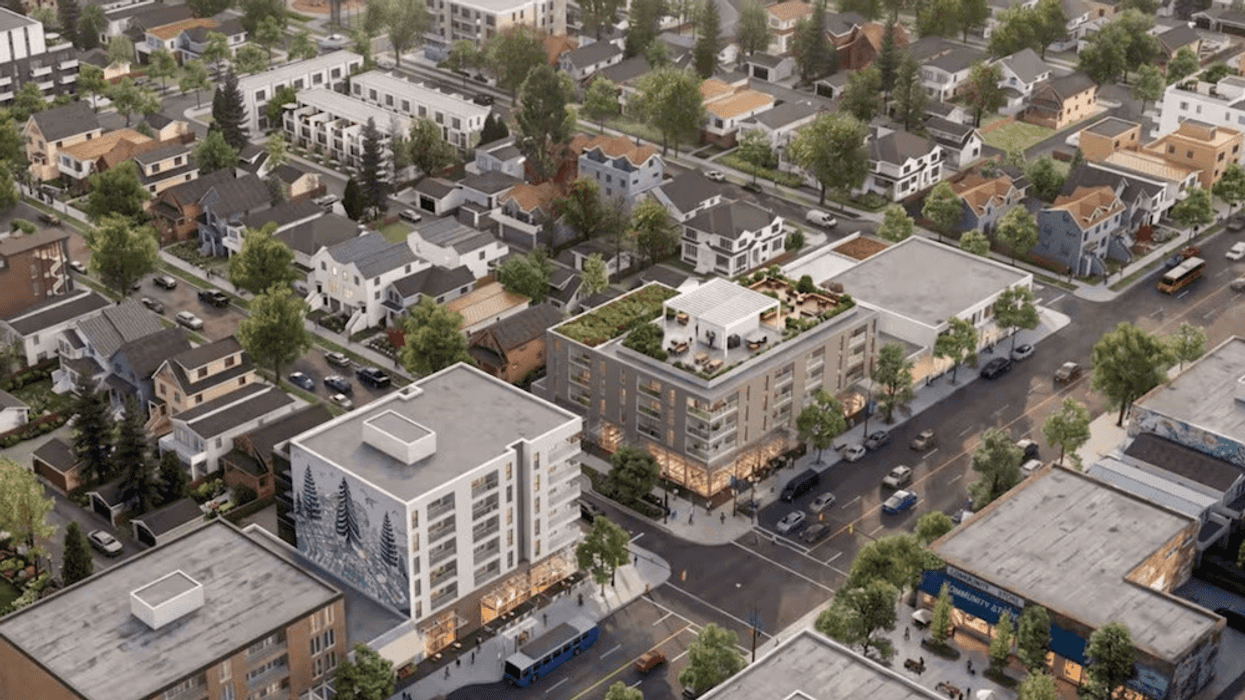
The City of Vancouver has adopted a new Official Development Plan to guide urban growth and development over the next 30 years, focusing on 17 designated Village areas.
On March 31, 2026, the City of Vancouver officially adopted the Vancouver Official Development Plan (ODP), replacing the 2022 plan as the strategic framework for the city's growth over the next three decades. This ODP categorizes various areas within Vancouver into distinct neighbourhood designations, which include Metro Core/Broadway, Municipal Town Centre, Rapid Transit Area, Neighbourhood Centre, Multiplex Area, Rapid-Transit Overlap Areas, and Villages. Notably, many of these higher-intensity areas are already developed or are subject to separate planning initiatives, such as the Broadway Plan, leaving focus on the lesser-developed areas termed Villages.To expedite development in these Village areas, the City Council mandated City staff in October 2023 to explore options for pre-zoning. This initiative aims to facilitate quicker development processes for the identified 17 Village locations. The Villages Planning Program was established in 2024 to create a comprehensive land use framework and propose zoning modifications for the following Villages: Macdonald Street & W 16th Avenue, Macdonald Street & W King Edward Avenue, Mackenzie Street & W 33rd Avenue, Mackenzie Street & W 41st Avenue, Angus Drive & W 57th Avenue, Granville Street & W 41st Avenue, Oak Street & W 49th Avenue, Oak Street & W 67th Avenue, Heather Street and W 33rd Avenue, Fraser Street & E 33rd Avenue, Knight Street & E 33rd Avenue, Commercial Street & E 20th Avenue, Nanaimo Street & E 1st Avenue, Nanaimo Street & E Broadway, Victoria Drive & E 61st Avenue, Wales Street & E 41st Avenue, and Kerr Street & E 54th Avenue.
The objectives for these Villages are multi-faceted, aiming to create new housing opportunities for low- and moderate-income households in areas that are removed from busy main streets yet still well-serviced. The plan also seeks to expand existing retail hubs, permit a mix of residential and commercial buildings up to six stories, integrate public spaces with local shops and community areas, enhance green spaces, and support infrastructure that caters to village-scale needs, such as childcare and cultural venues.
A critical element of the Villages initiative is the pre-zoning strategy, which the City has previously implemented in several locations, including parts of the Broadway and Cambie Corridors. This strategy aims to streamline the development process by removing the necessity for developers to submit lengthy rezoning applications, which typically require a year to process. Related to the development of the 17 Villages, the City has proposed a pre-rezoning initiative that would affect approximately 13,000 parcels, accounting for 96% of the total parcels within these Village areas.
City staff indicated that the proposed City-initiated rezoning would apply standard zoning districts that facilitate new low-rise residential and mixed-use development options as per the Villages Plan. The new zoning districts are tailored to address specific goals related to rental replacement and affordable housing requirements while generally allowing similar development options as the existing standards.
For the Villages located on the west side, particularly those along Macdonald and Mackenzie Streets, there will be stipulations regarding affordable housing. Development projects on large lots, such as strata townhouses, are expected to incorporate social housing provisions or make cash payments in lieu. Specifically, projects must allocate a percentage of residential floor area for social housing or pay a specified fee per square foot. Rental mixed-use apartments seeking additional density are required to include a significant portion of below-market rental housing.
Despite a limited number of current renters in these Village areas, the City anticipates minimal displacement of existing renters but will implement enhanced tenant protection measures similar to those in other community plans. City staff noted that improvements to public amenities in the Villages will primarily be funded through development initiatives, while other enhancements will be addressed through city-wide programs and capital planning based on prioritization and available resources.
Given the broad geographic scope of the proposed land use changes, the City expects gradual and dispersed population growth, allowing for ongoing monitoring of service impacts and identification of necessary improvements to existing amenities. The latest proposed changes are set to undergo public hearings, tentatively scheduled for July 14, with plans to review inclusionary housing requirements city-wide in 2027.
🏷️
pre-zoning
urban development
residential construction
community planning
Affordable housing
Vancouver
Village areas
zoning changes
mixed-use development
Official Development Plan
Next Article →
New High-Rise Mixed-Use Tower Proposed in Vancouver with Focus on Social Housing4 months ago